
Comprehensive Guide to Selecting the Ideal Concrete Press Testing Machine
Choosing the Right Concrete Press Testing Machine
Ensuring the quality and safety of concrete structures relies heavily on accurate and reliable testing. A concrete press testing machine is an indispensable tool for evaluating the compressive strength of concrete samples, a critical parameter in construction and material science. This article delves into the essential aspects of these machines, from their applications and types to key features and considerations for selection. Whether you’re involved in research, quality control, or construction, understanding these machines is crucial for maintaining structural integrity and safety.
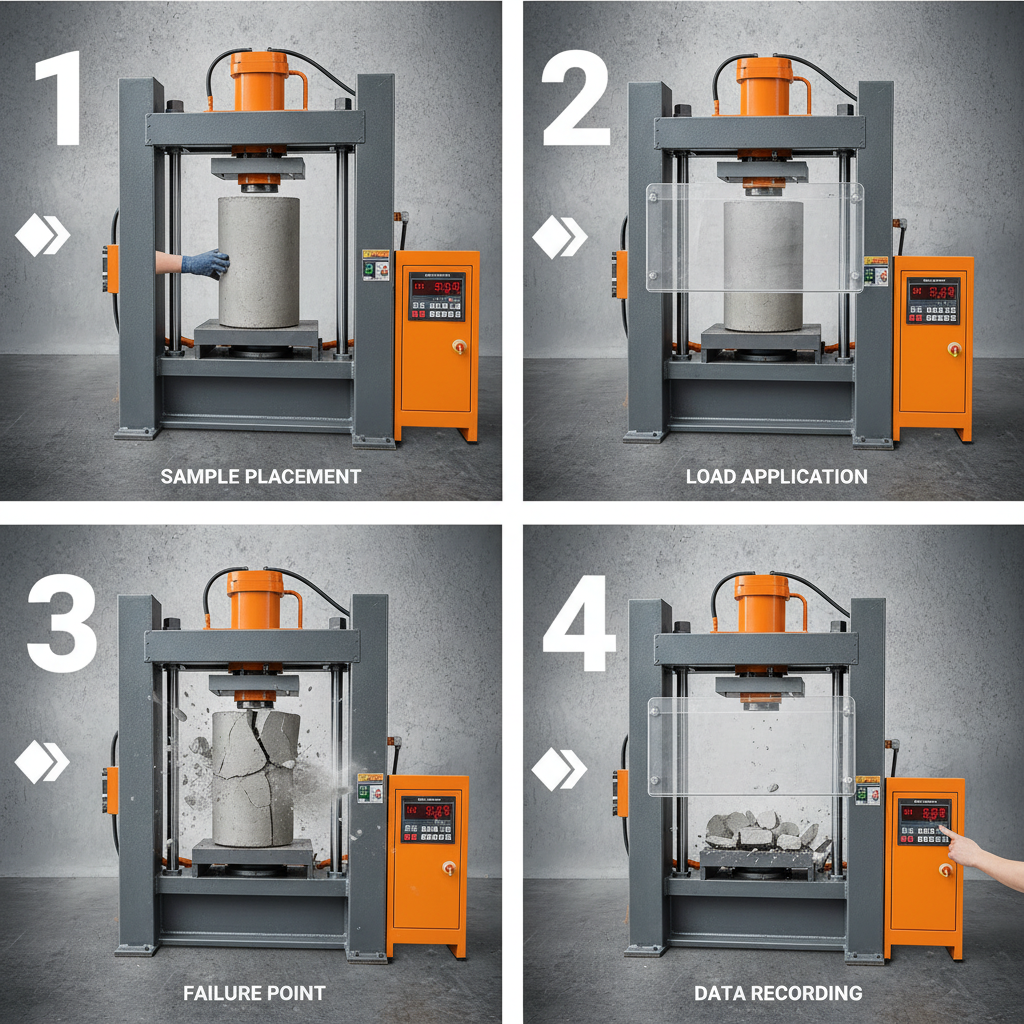
Applications of Concrete Press Testing Machines
Concrete press testing machines find widespread use across various sectors. In construction, they are vital for verifying the strength of concrete used in buildings, bridges, and roads. Civil engineering laboratories utilize them for research and development of new concrete mixes. Precast concrete manufacturers rely on these machines for quality control of their products. Furthermore, academic institutions employ them for educational purposes, teaching students about material properties and testing methodologies. Accurate testing is vital in every stage of a construction project, ensuring long-term safety and durability.
Key Applications: Quality Control, Research and Development, Educational Purposes, Structural Integrity Assessment.
Types of Concrete Press Testing Machines
There are primarily two types of concrete press testing machines: hydraulic and servo-hydraulic. Hydraulic machines offer robust power and are often more cost-effective, making them suitable for routine testing. Servo-hydraulic machines, on the other hand, provide precise control over loading rates and data acquisition, ideal for research applications and complex testing protocols. The choice depends on the specific requirements of the application, budget constraints, and desired level of control. Understanding the difference can help you choose the optimal machine for your specific needs.
Machine Type Comparison:
• Hydraulic: Robust, cost-effective, suitable for routine testing.
• Servo-Hydraulic: Precise control, advanced data acquisition, ideal for research.
Key Features to Consider When Selecting a Machine
When selecting a concrete press testing machine, several key features should be considered. Loading capacity is paramount – ensure the machine can accommodate the maximum compressive strength expected from your samples. The control system should be user-friendly and offer precise control over loading rates. Data acquisition capabilities are crucial for accurate recording and analysis of results. Consider the size of the testing chamber to accommodate different sample sizes. Finally, look for a machine with robust safety features, such as overload protection and emergency stop mechanisms.
Why Choose CZLab Instrument for Your Testing Needs?
At CZLab Instrument, we are dedicated to providing high-quality concrete press testing machines tailored to your specific requirements. We offer a range of models, from basic hydraulic machines to advanced servo-hydraulic systems, all built with precision and reliability. Our commitment to customer satisfaction extends beyond the sale, with comprehensive support, training, and maintenance services available. We understand the importance of accurate testing and strive to deliver solutions that empower our clients to achieve optimal results.
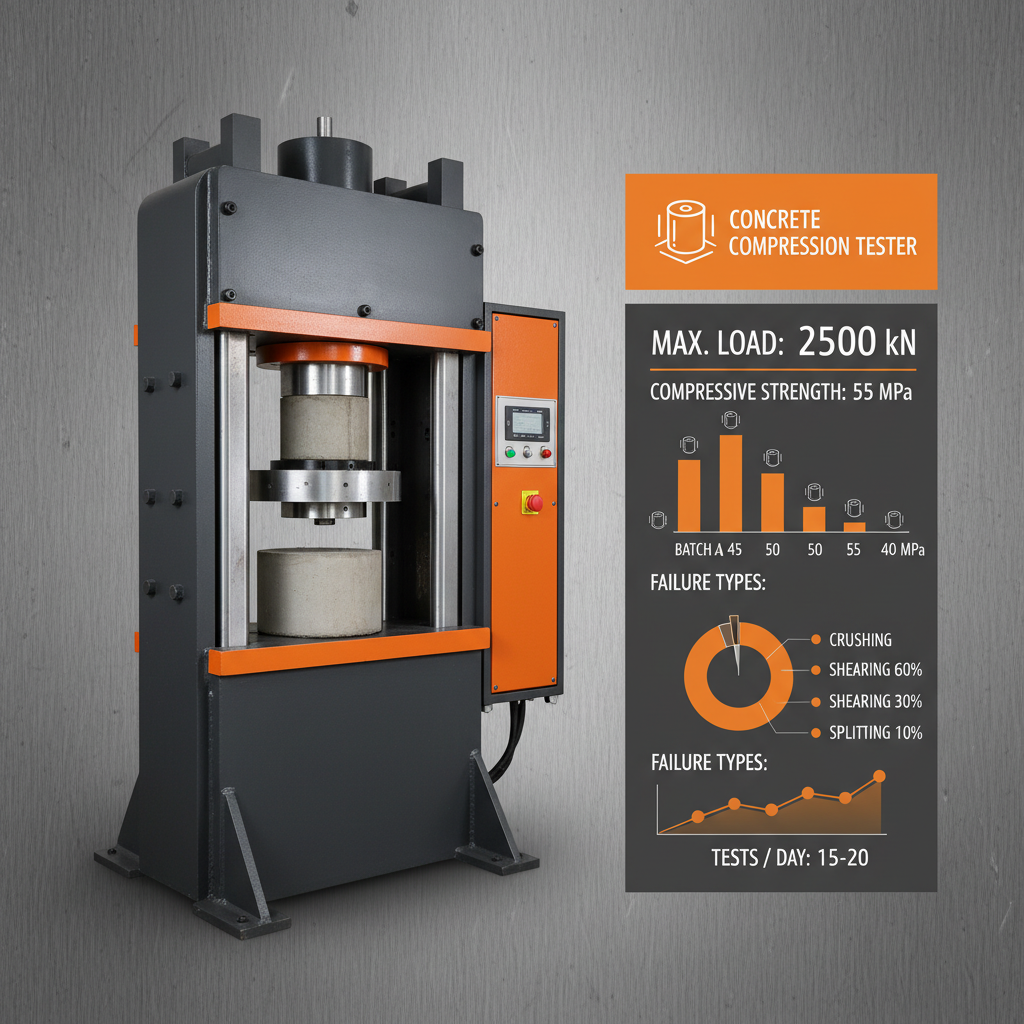
Technical Specifications: CZLab Concrete Press Testing Machine – Model CLTP-100
Here's a detailed look at the specifications for our popular CLTP-100 model:
Conclusion: Invest in Quality and Reliability
Choosing the right concrete press testing machine is a critical investment in the safety and durability of your construction projects. CZLab Instrument provides reliable, accurate, and user-friendly solutions to meet your testing needs. Contact us today to discuss your specific requirements and discover how we can help you ensure the integrity of your concrete structures.
Frequently Asked Questions (FAQs)
What sample preparation is required before testing?
Proper sample preparation is crucial for accurate results. Concrete samples should be cast and cured according to standardized procedures (e.g., ASTM C31 or EN 12390-2). Samples must be dimensionally accurate and free from any surface defects or irregularities. The ends of the cylinders must be parallel and smooth to ensure uniform load distribution during testing. Any inconsistencies can significantly affect the test results. It’s recommended to follow established testing standards diligently.
What safety precautions should be taken when operating the machine?
Safety is paramount when operating a concrete press testing machine. Always wear appropriate personal protective equipment (PPE), including safety glasses, gloves, and steel-toe boots. Ensure the testing chamber is clear of personnel before initiating the test. Familiarize yourself with the emergency stop mechanism and know how to operate it effectively. Never exceed the machine's maximum load capacity. Follow the manufacturer's operating instructions carefully and undergo proper training before operating the equipment. Regular maintenance is also vital for safe operation.
What is the typical accuracy of a concrete press testing machine?
The accuracy of a concrete press testing machine is typically within ±1% of the indicated load. However, accuracy can be influenced by factors such as calibration, sample preparation, and environmental conditions. Regular calibration, traceable to national standards, is essential to maintain accuracy. The machine should also be operated in a stable environment, free from vibrations or extreme temperatures. Proper operator training and adherence to testing standards are also crucial for ensuring reliable results.


