
Comprehensive Guide to Concrete Steel Test Moulds and Their Applications
Understanding Concrete Steel Test Moulds: A Comprehensive Guide
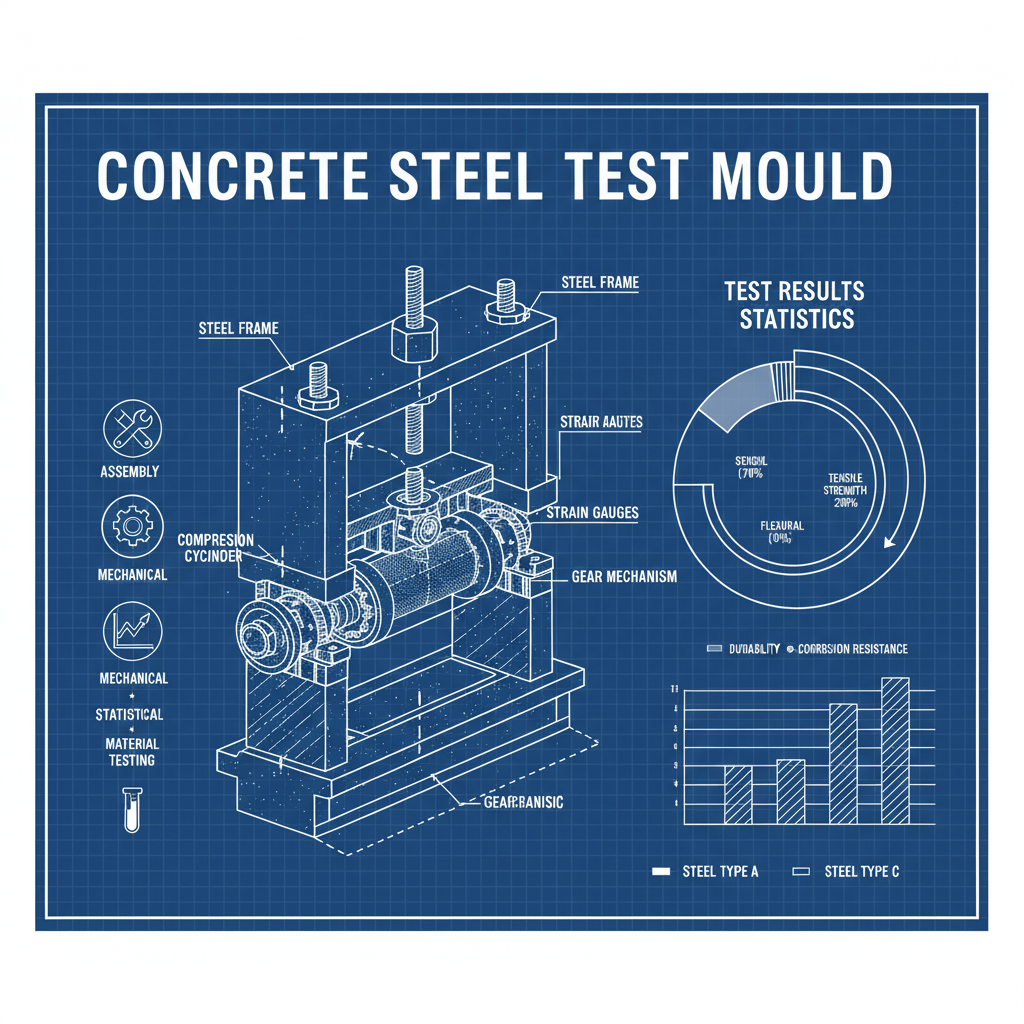
Concrete steel test moulds are indispensable tools in the construction and materials testing industries, ensuring the quality and safety of concrete structures. These moulds are utilized to create standardized specimens for compressive strength, flexural strength, and other crucial tests. Choosing the right mould is vital for accurate and reliable results. CZ Lab Instrument specializes in providing high-quality, durable test moulds for a wide range of applications. Proper testing ultimately contributes to the longevity and safety of infrastructure projects.
What are Concrete Steel Test Moulds and Their Applications?
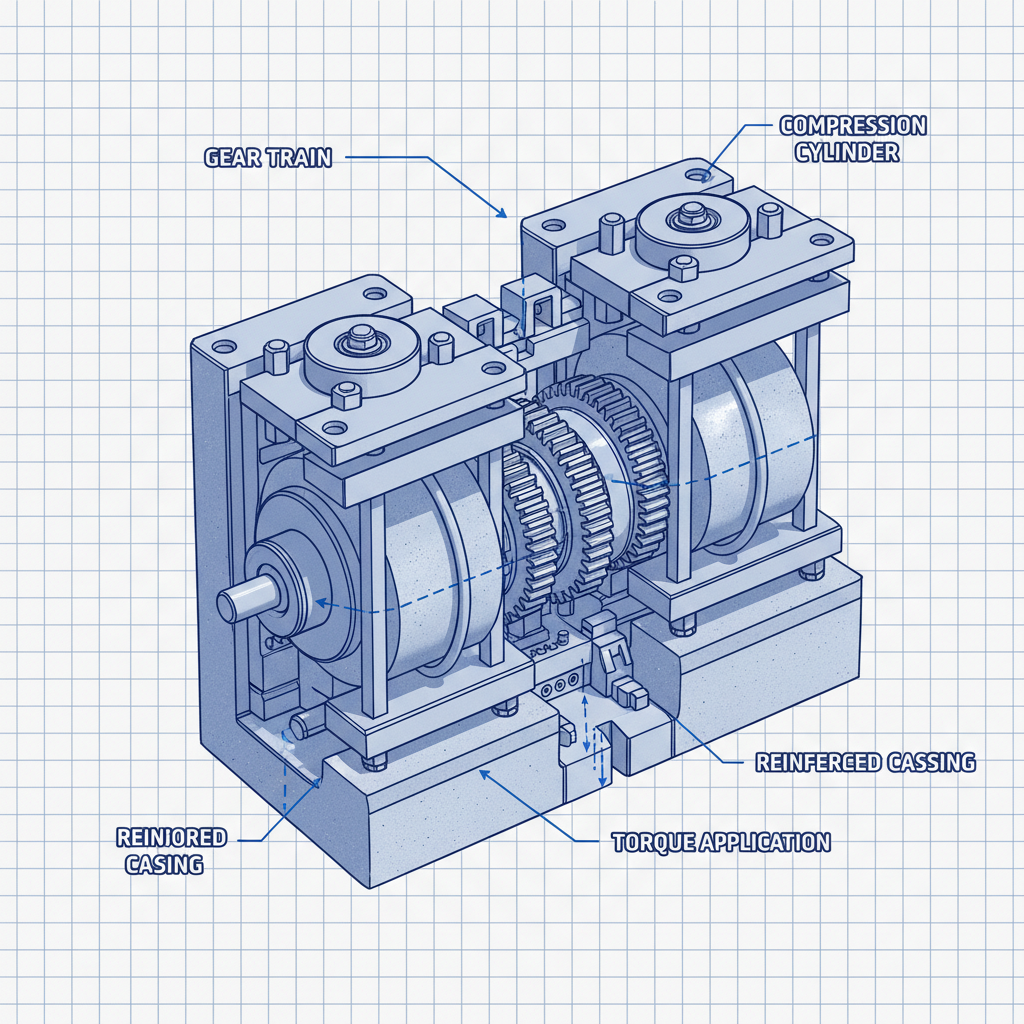
Concrete steel test moulds are precisely engineered forms used to cast concrete specimens for testing purposes. They are typically made from steel, cast iron, or plastic, with steel being the most common material due to its strength and durability. These moulds come in various shapes and sizes to accommodate different test standards (ASTM, EN, etc.) and specimen types, including cubes, cylinders, and beams. Common applications include quality control at concrete batch plants, verification of concrete mix designs, and assessing the performance of concrete in existing structures. The use of standardized moulds ensures consistency and comparability of test results.
Key Highlights: Concrete steel test moulds provide accurate and reliable results essential for ensuring concrete strength and durability.
Key Considerations When Selecting a Concrete Steel Test Mould
Selecting the correct concrete steel test mould involves several key considerations. First, ensure the mould conforms to the relevant testing standards (e.g., ASTM C31, EN 12390-3). Second, the material of the mould should be robust enough to withstand the stresses of casting and demoulding without deformation. Steel moulds are generally preferred for their strength, while plastic moulds offer ease of demoulding. Third, consider the size and shape of the specimen required for your specific tests. Finally, look for moulds with smooth inner surfaces to facilitate easy concrete removal and minimize surface imperfections on the specimen. CZ Lab Instrument offers a variety of moulds designed to meet these critical requirements.
Essential Selection Criteria:
• Compliance with relevant testing standards (ASTM, EN)
• Material strength and durability
• Accurate dimensions and smooth inner surfaces
• Ease of demoulding
Concrete Steel Test Mould Comparison: Steel vs. Plastic
Both steel and plastic are commonly used in the construction of concrete test moulds, each offering distinct advantages and disadvantages. Steel moulds are renowned for their exceptional strength, durability, and resistance to deformation. However, they can be heavier and more challenging to demould compared to plastic alternatives. Plastic moulds, on the other hand, are lightweight, easy to demould, and generally more cost-effective. However, they may not be as durable as steel and can be susceptible to damage or warping over time. The optimal choice depends on the specific application and budget.
CZ Lab Instrument: Your Trusted Supplier of Concrete Steel Test Moulds
At CZ Lab Instrument, we offer a comprehensive range of high-quality concrete steel test moulds to meet your specific needs. Our moulds are manufactured to stringent standards and are available in various sizes and configurations. We pride ourselves on delivering reliable products, exceptional customer service, and competitive pricing. We can also provide custom mould solutions tailored to your unique requirements. Investing in quality moulds from a reputable supplier like us is crucial for ensuring accurate and dependable test results.
Product Specifications and Available Sizes
We provide a wide range of concrete steel test moulds to meet various testing standards. Here’s a quick overview of some of our popular products:
Conclusion: Ensuring Quality with Reliable Test Moulds
Investing in high-quality concrete steel test moulds from a trusted supplier like CZ Lab Instrument is a critical step in ensuring the integrity and safety of concrete structures. Accurate testing leads to durable and reliable construction. Contact us today to discuss your specific testing needs and find the perfect mould for your application.
Frequently Asked Questions (FAQs)
What materials are concrete steel test moulds made from?
Concrete steel test moulds are primarily made from steel, cast iron, or plastic. Steel is the most common choice due to its high strength and durability, making it suitable for repeated use and handling the pressures of concrete casting. Cast iron provides similar strength but is heavier. Plastic moulds are lighter and easier to demould but may not be as robust as steel or cast iron. The best material depends on the specific application and budget.
How do I properly prepare a steel test mould before casting concrete?
Before casting, it’s crucial to thoroughly clean the steel test mould to remove any debris or residue. Apply a release agent (form oil) evenly to the inner surfaces of the mould to prevent the concrete from sticking. This ensures easy demoulding and prevents damage to the specimen. Ensure the mould is securely assembled and properly aligned before pouring the concrete. Tighten all screws and clamps to prevent leakage.
What is the importance of using moulds that meet ASTM or EN standards?
Using moulds that conform to recognized standards like ASTM or EN is essential for ensuring the accuracy and reliability of your test results. These standards specify precise dimensional tolerances, material requirements, and manufacturing processes. Compliance with these standards ensures that your test specimens are consistent and comparable with results obtained by others, which is critical for quality control and regulatory compliance.
How should I store concrete steel test moulds to prolong their lifespan?
To maximize the lifespan of your concrete steel test moulds, store them in a clean, dry environment, protected from direct sunlight and extreme temperatures. After use, thoroughly clean the moulds to remove any concrete residue. Apply a light coat of oil to prevent rust formation on steel moulds. Store the moulds in an organized manner to prevent damage or deformation.


