
Comprehensive Guide to Concrete Moulds and Their Applications in Construction
Understanding Concrete Moulds: A Comprehensive Guide
Concrete moulds, also known as formwork, are essential components in concrete construction. They dictate the shape and dimensions of the final concrete structure, influencing both its aesthetic appeal and structural integrity. Choosing the right concrete mould is crucial for achieving high-quality, durable, and cost-effective construction projects. This article will explore the various types of concrete moulds, materials used, factors to consider when selecting a mould, and the latest advancements in mould technology. We aim to provide a thorough understanding of this critical aspect of concrete construction.

Types of Concrete Moulds
Concrete moulds come in a diverse range of types, each suited for specific applications and project requirements. The main categories include:
- Traditional Timber Moulds: These are the oldest form of moulds, made from wood. They are relatively inexpensive and easy to work with, but they are less durable and require more labor for assembly and disassembly.
- Steel Moulds: Steel moulds offer high strength, durability, and precision. They are ideal for large-scale projects with repetitive elements but are more expensive than timber moulds.
- Plastic Moulds: Plastic moulds are lightweight, corrosion-resistant, and easy to clean. They are commonly used for decorative concrete and complex shapes.
- Fiberglass Moulds: Fiberglass moulds provide a smooth surface finish and are suitable for intricate designs. They are relatively lightweight but can be more brittle than other types.
- Composite Moulds: Combining different materials like steel and plastic, these offer a balance of strength, durability, and cost-effectiveness.
Materials Used in Concrete Mould Construction
The choice of material significantly impacts the performance, cost, and lifespan of a concrete mould. Here's a breakdown of common materials:
- Timber: Pine, fir, and plywood are frequently used for timber moulds due to their workability and affordability.
- Steel: High-strength steel alloys are employed for steel moulds, offering excellent rigidity and resistance to deformation.
- Plastic: Polypropylene, polyethylene, and ABS are common plastics used for creating lightweight and corrosion-resistant moulds.
- Fiberglass: Reinforced with resins, fiberglass provides a smooth surface finish and is suitable for complex shapes.
Key Takeaway: The material selection should align with the project's scale, complexity, and budget constraints. Consider factors like durability, reusability, and surface finish requirements.
Factors to Consider When Selecting a Concrete Mould
Several factors influence the ideal concrete mould selection. These include:
- Project Size and Complexity: Larger, more complex projects generally necessitate stronger, more durable moulds like steel.
- Concrete Mix Properties: The type of concrete used (e.g., high-strength, self-compacting) can impact the mould's required strength and rigidity.
- Surface Finish Requirements: For aesthetically demanding projects, moulds with smooth surfaces, like fiberglass, are preferable.
- Budget Constraints: Timber moulds are generally the most cost-effective option, while steel moulds are the most expensive.
- Reusability: If the mould is intended for multiple projects, investing in a durable, reusable option like steel or plastic is worthwhile.
Concrete Moulds: A Comparative Analysis
Here's a detailed comparison of the common concrete mould types:
Innovations in Concrete Mould Technology
The field of concrete moulds is continually evolving. Recent innovations include:
- 3D-Printed Moulds: Additive manufacturing allows for the creation of complex mould shapes with reduced lead times.
- Self-Consolidating Concrete (SCC) Moulds: Specifically designed for SCC, these moulds minimize vibration requirements and improve concrete placement.
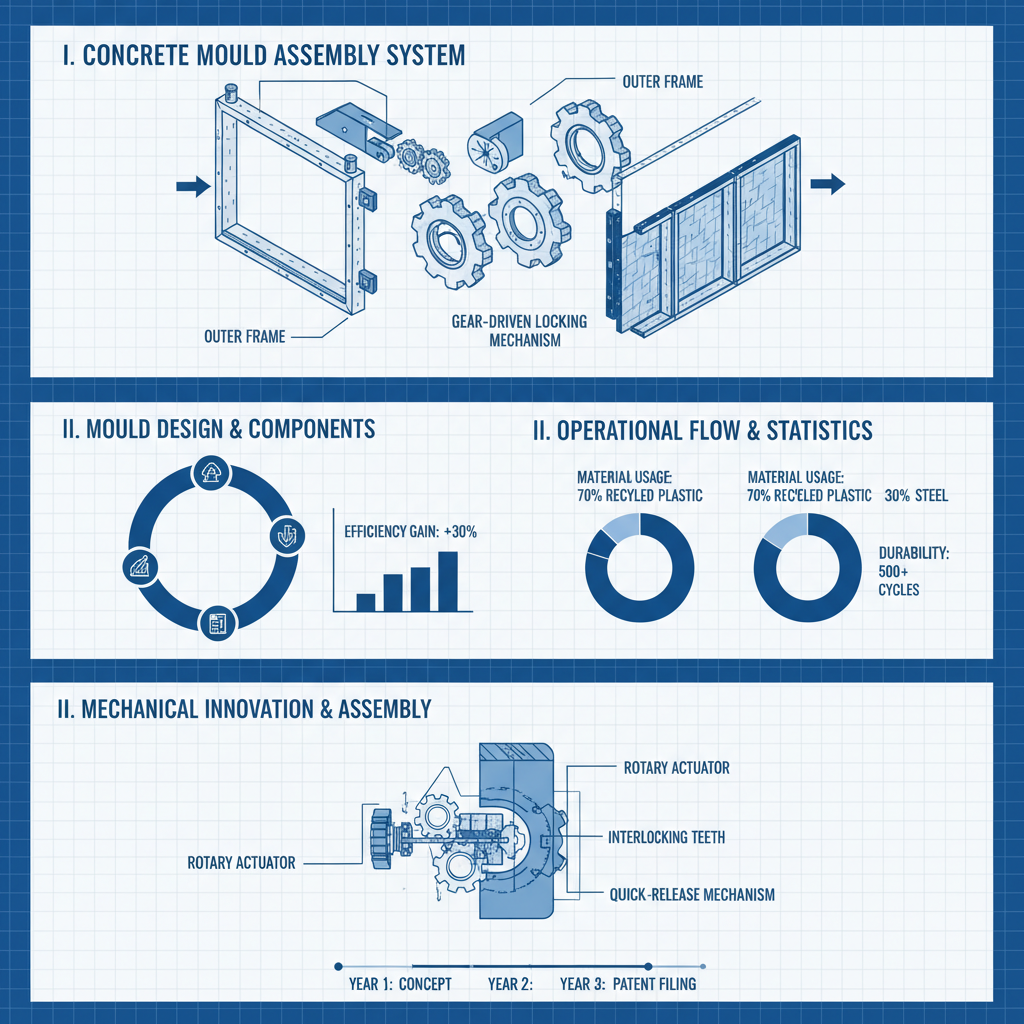
- Modular Mould Systems: These systems offer flexibility and adaptability for various project needs.
Conclusion: Choosing the Right Concrete Mould for Success
Selecting the right concrete mould is a critical step in ensuring the quality, durability, and cost-effectiveness of any concrete construction project. Carefully consider the project’s specific requirements, budget, and desired surface finish when making your choice. Staying informed about the latest advancements in mould technology will help you optimize your construction processes and achieve superior results.
Frequently Asked Questions (FAQs)
What is the typical lifespan of a steel concrete mould?
A well-maintained steel concrete mould can last for many years, often decades, with proper care. Steel is highly durable and resistant to deformation. However, factors like corrosion from exposure to moisture and the frequency of use can impact its lifespan. Regular cleaning, rust prevention treatments, and proper storage are crucial for maximizing its longevity. Inspecting for cracks or damage before each use is also essential. With diligent maintenance, a steel mould can be a cost-effective investment in the long run.
How do I prevent concrete from sticking to the mould?
To prevent concrete adhesion, apply a release agent to the mould surface before pouring the concrete. Common release agents include form oil, chemical release agents, and even vegetable oil in some cases (though this isn't recommended for high-quality finishes). Ensure the release agent is evenly applied and covers all surfaces that will come into contact with the concrete. Proper cleaning of the mould after each use also helps prevent buildup and ensures the release agent works effectively. The type of release agent should be chosen based on the mould material and the desired surface finish of the concrete.
Are there any safety precautions to consider when working with concrete moulds?
Yes, several safety precautions are vital when working with concrete moulds. Always wear appropriate personal protective equipment (PPE), including safety glasses, gloves, and steel-toe boots. When assembling and disassembling moulds, ensure they are securely supported to prevent collapse. Avoid placing excessive weight on the moulds during concrete pouring. Be mindful of sharp edges and potential pinch points. When using power tools for mould preparation, follow the manufacturer’s safety guidelines. Proper training and awareness of potential hazards are crucial for a safe working environment.
What are the benefits of using plastic concrete moulds?
Plastic concrete moulds offer several advantages, including their lightweight nature, making them easier to handle and transport. They are also corrosion-resistant, meaning they won't rust or degrade when exposed to moisture. Plastic moulds are relatively inexpensive compared to steel and can be molded into complex shapes easily. Their smooth surface finish results in cleaner, more refined concrete surfaces. However, they may be less durable than steel and can be susceptible to damage from sharp objects or excessive force.


