
Comprehensive Guide to Constant Temperature Drying Oven Applications and Selection
Constant Temperature Drying Oven: A Comprehensive Guide
Maintaining precise temperature control is crucial in numerous scientific and industrial applications. The Constant Temperature Drying Oven offers a reliable and accurate solution for various drying, heating, and sterilization processes. This article will delve into the features, benefits, applications, and selection criteria for these essential laboratory instruments. Understanding these ovens and their capabilities is vital for optimizing your research and production workflows.
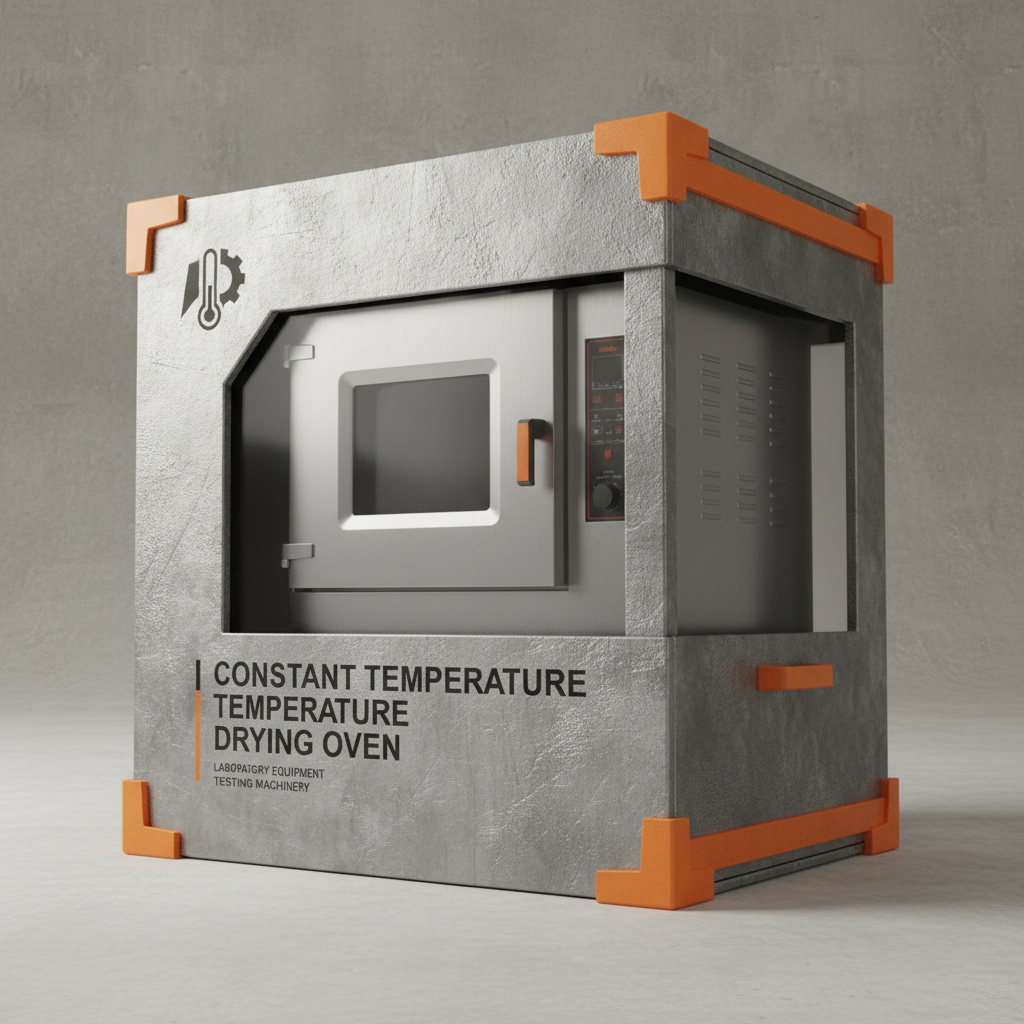
Understanding Constant Temperature Drying Ovens
A constant temperature drying oven is a closed chamber used for drying and heating materials at a specific, consistent temperature. These ovens differ from traditional ovens in their precise temperature control, making them suitable for delicate samples and processes where consistency is paramount. They're commonly used in research, quality control, and manufacturing across various industries. The key components include a heating element, a temperature controller, an insulated chamber, and a ventilation system. Accurate temperature maintenance is achieved through a feedback loop between a temperature sensor and the controller.
Key Benefits: Precise temperature control, even heat distribution, safe operation, and suitability for a wide range of materials and applications.
Applications of Constant Temperature Drying Ovens
The applications of these ovens are incredibly diverse. In pharmaceuticals, they are utilized for drying drug intermediates and finished products. In food processing, they're essential for moisture analysis and preserving food quality. Materials science employs them for heat treatment and polymer drying. Chemical laboratories rely on them for evaporating solvents and preparing samples for analysis. Moreover, they find use in electronics for drying printed circuit boards and in environmental testing for soil moisture content determination. The versatility makes them a cornerstone in many labs and industries.
Common Application Areas:
• Pharmaceuticals – Drug drying and sterilization
• Food Industry – Moisture analysis and preservation
• Chemical Laboratories – Solvent evaporation and sample preparation
• Materials Science – Heat treatment and polymer drying
Choosing the Right Constant Temperature Drying Oven: Key Considerations
Selecting the appropriate oven requires careful consideration of your specific needs. Factors such as chamber volume, temperature range, temperature accuracy, and features like programmable controllers, forced convection, and gas purging are crucial. For volatile samples, a ventilation system is essential to remove fumes. Consider the maximum temperature required for your processes and ensure the oven can reach and maintain it consistently. Also, evaluate the oven’s build quality and materials to ensure durability and resistance to corrosion. CZ Lab Instrument offers a range of models to meet diverse application requirements.
Constant Temperature Drying Oven vs. Other Drying Methods
Compared to methods like air drying or oven drying, constant temperature drying offers superior control and reproducibility. Air drying is unreliable and susceptible to environmental factors. Traditional ovens lack the precision needed for sensitive materials. Freeze-drying (lyophilization) is excellent for preserving biological samples but is significantly more expensive. Vacuum drying provides faster drying rates but may not be suitable for all materials. The Constant Temperature Drying Oven strikes a balance between cost, efficiency, and precision, making it a versatile choice for many applications.
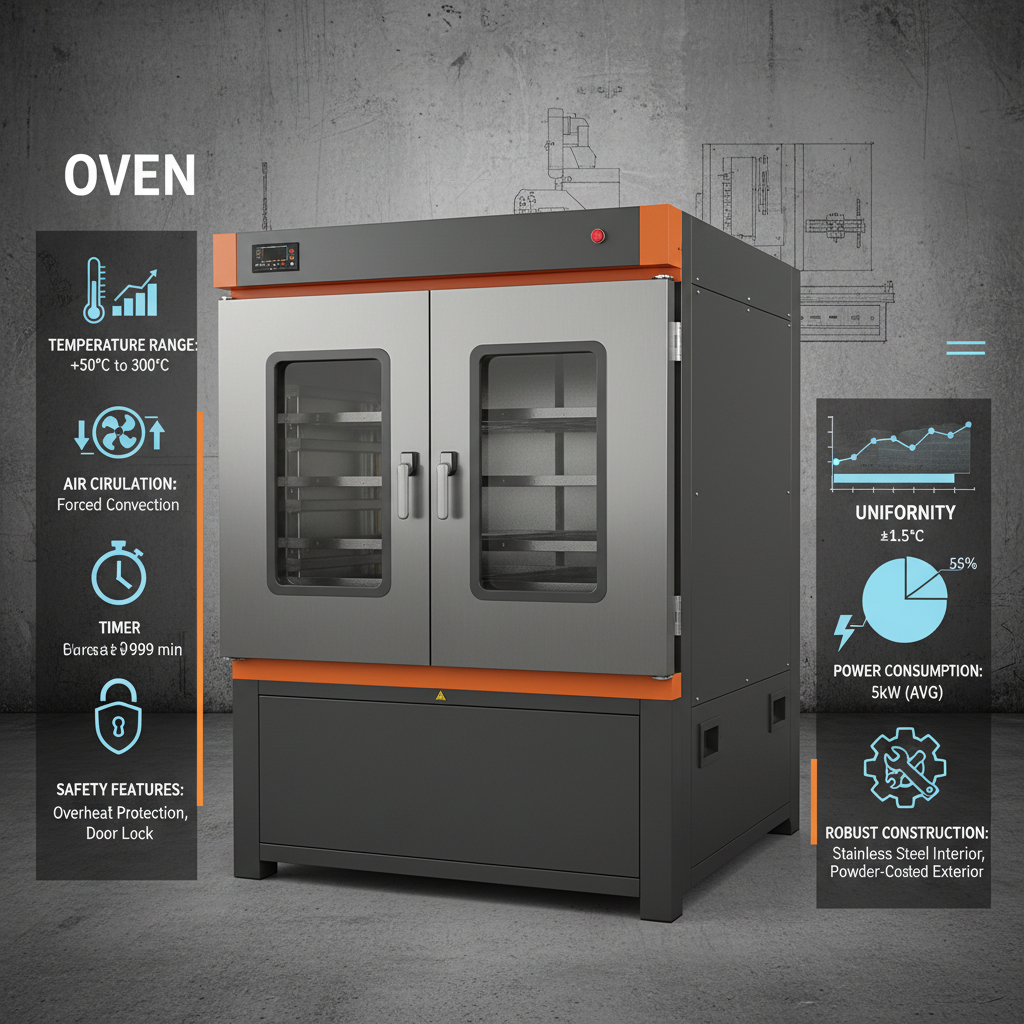
Safety Considerations and Maintenance
Safety is paramount when operating a constant temperature drying oven. Always use appropriate personal protective equipment (PPE), such as heat-resistant gloves and safety glasses. Never place flammable materials inside the oven without proper precautions. Ensure adequate ventilation to prevent the buildup of fumes. Regular maintenance, including cleaning the chamber and checking the door seal, is crucial for optimal performance and longevity. Following the manufacturer’s guidelines for maintenance will ensure the oven remains safe and reliable for years to come.
Conclusion: Investing in a Reliable Drying Solution
The Constant Temperature Drying Oven is an indispensable tool for a wide range of scientific and industrial applications. Choosing the right oven based on your specific requirements is critical for achieving accurate, reproducible results and ensuring safe operation. By considering the factors outlined in this guide, you can make an informed decision and select an oven that meets your needs for years to come.
Frequently Asked Questions (FAQs)
What temperature range should I look for in a drying oven?
The appropriate temperature range depends heavily on the materials you’ll be drying and the specific process. Generally, a range of ambient temperature to 250°C is sufficient for many applications. However, for certain materials requiring higher temperatures, you’ll need an oven with a higher maximum temperature. Carefully consider the thermal stability of your samples to avoid degradation. A wider temperature range provides flexibility for future applications, but comes with a higher cost. Look for ovens with accurate temperature control, ideally within ±0.5°C to ±1°C.
How important is forced convection in a drying oven?
Forced convection, which utilizes a fan to circulate air within the chamber, significantly improves drying efficiency and uniformity. It ensures that heat is distributed evenly throughout the chamber, reducing hot spots and ensuring consistent drying results. Without forced convection, drying can be significantly slower and less uniform, particularly for larger samples. It's especially important for temperature-sensitive materials where localized overheating could cause damage. The benefits of forced convection make it a desirable feature for most drying applications.
What safety features should I look for in a drying oven?
Safety features are crucial. Over-temperature protection is essential to prevent overheating and potential fire hazards. A digital temperature controller with alarm functionality can alert you if the temperature deviates from the setpoint. A robust door seal prevents heat loss and ensures efficient operation. Additionally, look for features like a tempered glass door for visibility and a corrosion-resistant chamber. Regular inspection of these features is vital for ensuring safe and reliable operation.
How often should I calibrate my drying oven?
Regular calibration is crucial to ensure the accuracy of your drying oven. It's generally recommended to calibrate your oven at least once a year, or more frequently if it’s used heavily or for critical applications. Calibration involves comparing the oven’s temperature readings to a traceable standard. CZ Lab Instrument offers calibration services or can advise on best practices for maintaining accuracy.


