
Comprehensive Guide to Stainless Steel Chamber Oven Selection and Application
Stainless Steel Chamber Oven: A Comprehensive Guide
When precision and reliability are paramount in your laboratory or industrial process, a stainless steel chamber oven offers an unparalleled solution. These ovens are designed for applications requiring consistent temperatures, controlled environments, and durable construction. This article will explore the key features, benefits, applications, and considerations when choosing a stainless steel chamber oven. Understanding the intricacies of these ovens can help you select the optimal model for your specific needs, ensuring optimal performance and longevity.
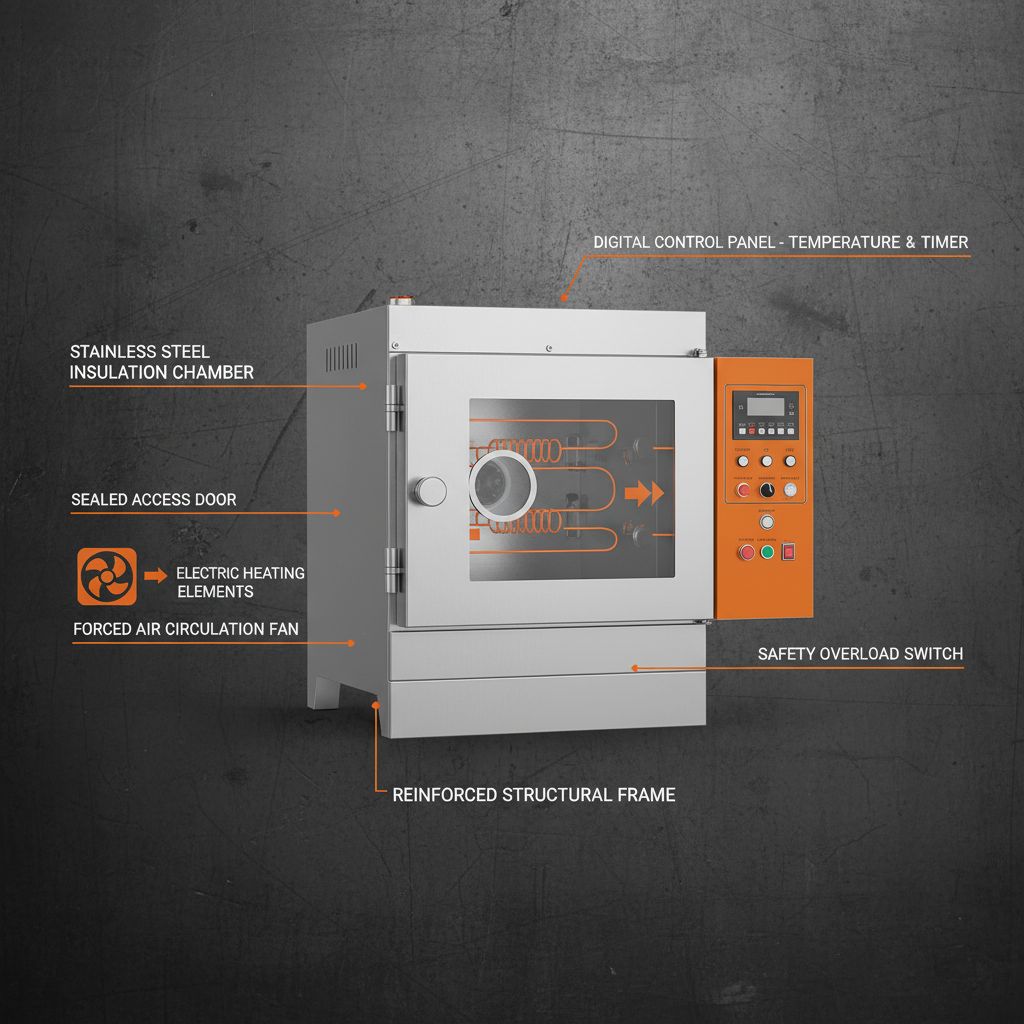
Key Features of Stainless Steel Chamber Ovens
Stainless steel chamber ovens are distinguished by their robust construction and precise temperature control. The use of stainless steel as the primary material offers exceptional corrosion resistance, making these ovens suitable for a wide range of applications, including those involving corrosive substances. They typically feature programmable controllers, allowing for precise temperature settings, ramp and soak capabilities, and data logging. Insulation is also critical, employing materials like mineral wool or ceramic fiber for efficient heat retention and minimal energy consumption. Furthermore, many models incorporate forced convection fans to ensure uniform temperature distribution throughout the chamber. You can explore our range of high-quality stainless steel chamber ovens at CZ Lab Instrument.
Key Highlights: Robust stainless steel construction for corrosion resistance, programmable controllers for precise temperature control, and efficient insulation for energy savings.
Why Choose Stainless Steel Over Other Materials?
While ovens are available in various materials, stainless steel provides distinct advantages. Compared to painted steel, stainless steel offers significantly improved corrosion resistance, vital in environments where chemicals or moisture are present. Unlike aluminum, stainless steel maintains its structural integrity at higher temperatures. Furthermore, stainless steel is easy to clean and sanitize, making it ideal for applications requiring strict hygiene standards. The durability of stainless steel translates to a longer oven lifespan and reduced maintenance costs. It’s a crucial choice for ensuring the longevity and reliability of your critical processes.
Stainless Steel Benefits:
• Superior corrosion resistance
• High-temperature stability
• Easy to clean and sanitize
• Long-lasting durability
Stainless Steel Chamber Oven Applications
The versatility of stainless steel chamber ovens makes them indispensable across numerous industries. In the pharmaceutical sector, they are used for drying and sterilizing equipment and materials. The food industry employs them for baking, drying, and heat treating food products. Material science relies on these ovens for heat treatment, annealing, and aging processes. Electronics manufacturing utilizes them for component drying and preheating. Quality control laboratories employ them for various testing procedures. At CZ Lab Instrument, we provide tailored solutions to meet the unique demands of each application.
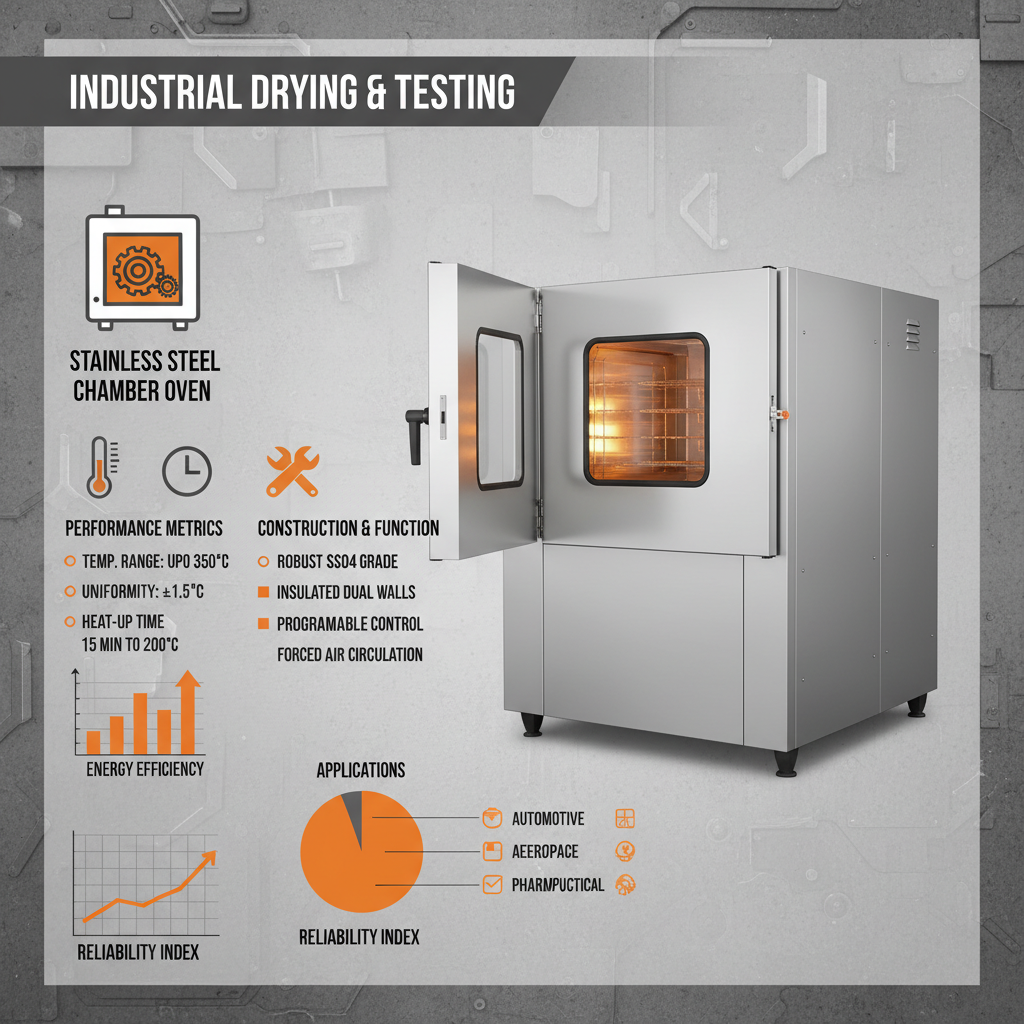
Comparing Stainless Steel Chamber Oven Specifications: Key Considerations
Selecting the right stainless steel chamber oven requires careful consideration of several specifications. Temperature range, chamber volume, temperature uniformity, ramp-up rate, and control system type are crucial factors. A forced convection oven offers better temperature uniformity than a gravity convection oven, but may be louder. Programmability allows for automated processes, while data logging provides valuable process monitoring capabilities. Understanding your specific application requirements will guide you towards the optimal configuration. Below is a comparison of common oven specifications:
Maintaining Your Stainless Steel Chamber Oven
Proper maintenance is crucial for ensuring the longevity and performance of your stainless steel chamber oven. Regular cleaning of the interior chamber is essential to prevent buildup of residue and maintain hygiene. Periodically inspect the door seal for wear and tear, and replace it if necessary. Calibrate the temperature controller annually to maintain accuracy. Avoid overloading the oven, as this can affect temperature uniformity. Following these simple maintenance procedures will help maximize the lifespan of your investment.
Conclusion: Investing in Quality and Reliability
A stainless steel chamber oven is a vital piece of equipment for a wide range of industries and applications. Its durability, precise temperature control, and ease of maintenance make it a worthwhile investment. Choosing the right oven based on your specific needs and prioritizing regular maintenance will ensure reliable performance and a long operational life. At CZ Lab Instrument, we are committed to providing high-quality ovens and expert support to meet your laboratory and industrial requirements.
Frequently Asked Questions (FAQs)
What is the typical temperature uniformity achieved in a stainless steel chamber oven?
Temperature uniformity refers to the consistency of temperature throughout the oven chamber. A well-designed stainless steel chamber oven with forced convection typically achieves a uniformity of ±0.5°C to ±2°C. This ensures that samples or materials are exposed to a consistent temperature, crucial for accurate and reproducible results. Factors affecting uniformity include oven size, heating element distribution, and air circulation. Selecting an oven with a forced convection system generally yields the best uniformity, especially for larger chambers.
What are the benefits of a programmable controller in a chamber oven?
A programmable controller allows you to set up complex temperature profiles, including ramp rates, soak times, and step changes. This is invaluable for processes requiring precise temperature control over time, such as heat treating, drying, and curing. The ability to program the oven eliminates the need for manual monitoring and adjustment, increasing efficiency and reproducibility. Data logging features allow you to record temperature data for analysis and quality control purposes.
How important is the insulation in a stainless steel chamber oven?
Insulation is critical for maintaining stable temperatures and minimizing energy consumption. High-quality insulation materials, such as mineral wool or ceramic fiber, prevent heat loss from the chamber, ensuring consistent temperatures and reducing the workload on the heating elements. Effective insulation also protects the oven’s exterior surfaces from becoming excessively hot, improving safety. It results in significant energy savings over time and lower operating costs.
What safety features should I look for in a stainless steel chamber oven?
Essential safety features include over-temperature protection, which automatically shuts off the heating elements if the temperature exceeds a preset limit. A door safety switch prevents the oven from operating when the door is open. Consider features like alarms that alert users to potential issues. Look for ovens that meet relevant safety standards and certifications. Proper ventilation is also important to prevent the buildup of fumes or vapors.


