
Comprehensive Guide To Curing Chamber For Concrete And Its Applications
Curing Chamber For Concrete: A Comprehensive Guide
Maintaining optimal temperature and humidity is crucial for achieving the desired strength and durability in concrete. A curing chamber for concrete provides a controlled environment to facilitate this process, minimizing cracking and ensuring long-term structural integrity. This article explores the benefits of using a concrete curing chamber, different types available, key features to consider, and how they contribute to superior concrete quality. Understanding these aspects is vital for construction professionals and materials engineers alike. Effective concrete curing directly impacts the longevity and reliability of infrastructure projects.
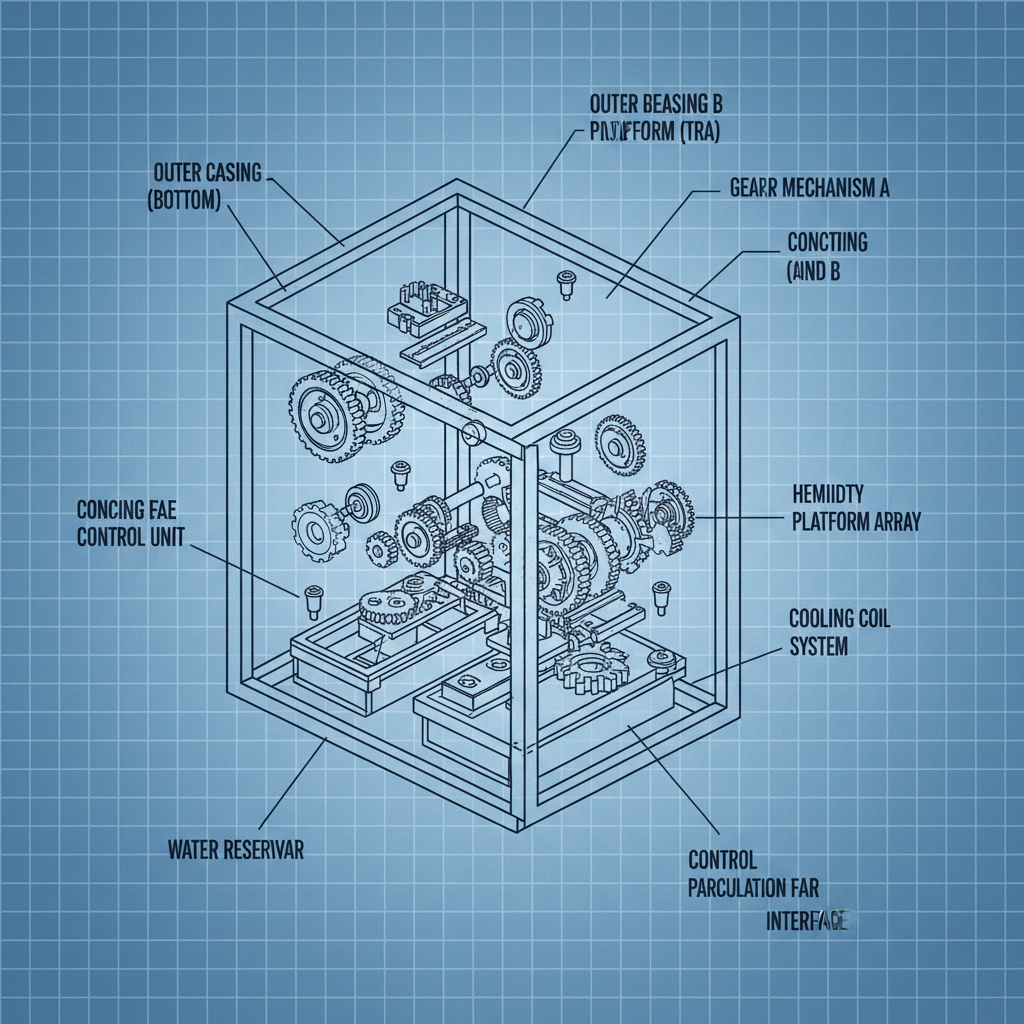
Why Use a Curing Chamber For Concrete?
Concrete hydration, the chemical reaction that gives concrete its strength, requires specific environmental conditions. Without proper control, issues like surface cracking, reduced strength, and increased permeability can arise. A curing chamber eliminates these risks by consistently maintaining the ideal temperature and humidity levels, leading to a more durable and reliable final product. This control is particularly important in extreme climates or during critical project phases. By investing in a curing chamber, you're investing in the long-term performance of your concrete structures.
Key Benefits: Enhanced concrete strength, reduced cracking, improved durability, controlled hydration process, and consistent quality.
Types of Concrete Curing Chambers
Several types of curing chambers are available, each suited to different applications and budgets. CZ Lab Instrument offers a range of solutions. These include: Walk-in Chambers - large enough to accommodate substantial concrete specimens or even small structural elements; Benchtop Chambers - ideal for laboratory settings and smaller samples; and Portable Chambers – offering flexibility for on-site curing. The choice depends on the volume of concrete being cured, the required temperature and humidity control precision, and the available space. Understanding the specific needs of your project will guide the selection of the appropriate chamber type.
Curing Chamber Types:
• Walk-in Chambers: High capacity, precise control.
• Benchtop Chambers: Compact, ideal for laboratories.
• Portable Chambers: Flexible, on-site curing.
Key Features to Consider When Choosing a Curing Chamber For Concrete
Selecting the right curing chamber requires careful consideration of several key features. Temperature Control Precision: The ability to maintain a consistent temperature is paramount. Look for chambers with accurate temperature controllers and minimal fluctuations. Humidity Control: Equally important, humidity control prevents excessive water evaporation, which can lead to cracking. Chamber Size: Ensure the chamber can accommodate the size and quantity of your concrete specimens. Materials of Construction: Corrosion-resistant materials, like stainless steel, are crucial for longevity and maintaining a clean curing environment. Monitoring and Data Logging: The ability to monitor temperature and humidity levels and log data provides valuable insight into the curing process.
Benefits of Precise Control with CZ Lab Instrument Curing Chambers
CZ Lab Instrument’s curing chambers are engineered for precision and reliability. Our chambers utilize advanced PID controllers to maintain stable temperature and humidity levels, ensuring consistent and repeatable results. Features like data logging and remote monitoring allow for real-time observation and analysis of the curing process. This level of control allows engineers to optimize concrete mixes and curing procedures for specific applications, maximizing performance and minimizing the risk of failure.
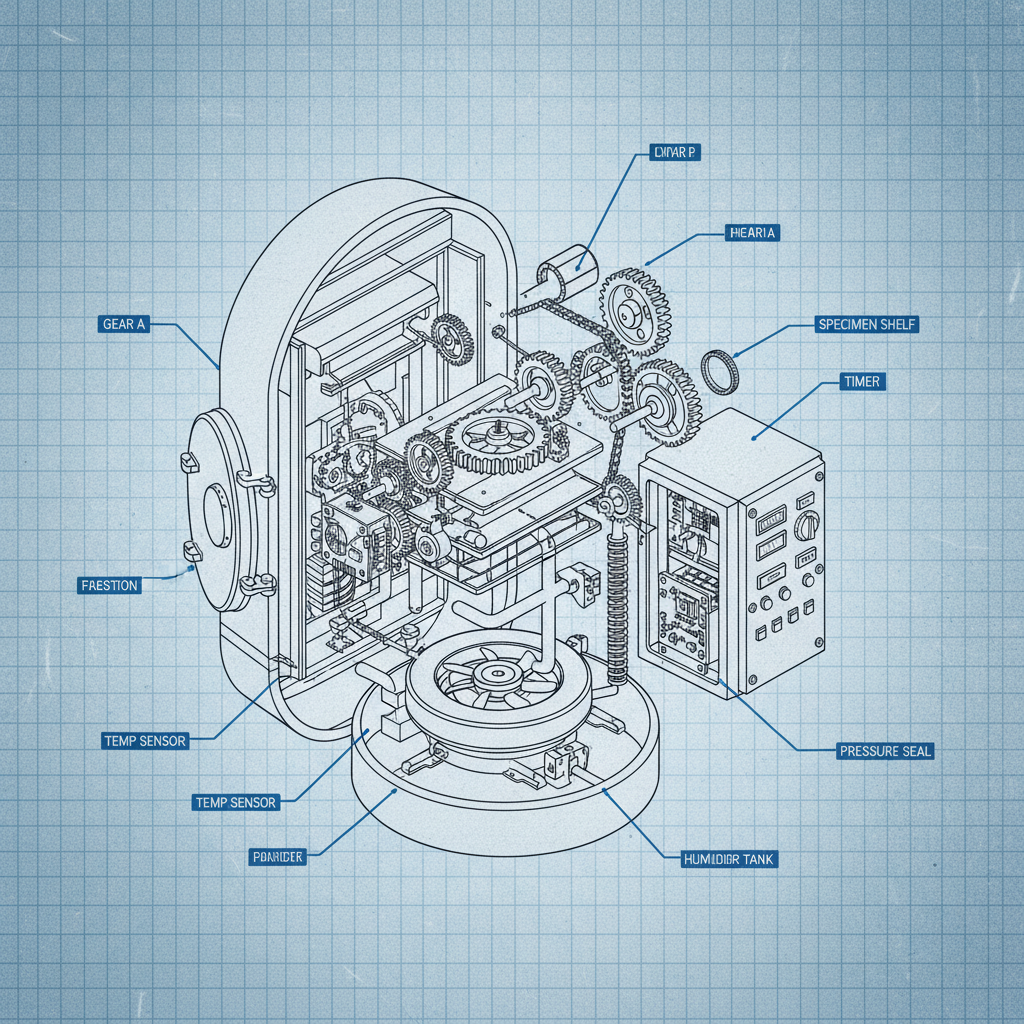
Product Specifications: CZ Lab Instrument Walk-in Curing Chamber
Here's an overview of our popular walk-in curing chamber:
Conclusion: Achieve Superior Concrete Quality with Precision Curing
Investing in a curing chamber for concrete from CZ Lab Instrument is a crucial step towards ensuring the longevity and reliability of your concrete structures. Our chambers offer precise control, advanced features, and customizable options to meet your specific needs. Don't compromise on quality – choose a solution that guarantees optimal curing conditions and delivers superior concrete performance.
Frequently Asked Questions (FAQs)
What is the ideal temperature for concrete curing?
The ideal temperature for concrete curing generally falls between 20°C and 25°C (68°F and 77°F). Maintaining this temperature range promotes optimal hydration and strength development. However, the specific temperature may vary depending on the type of cement used and the desired properties of the concrete. Lower temperatures slow down hydration, while excessively high temperatures can lead to rapid setting and reduced long-term strength. A curing chamber allows precise control, ensuring the concrete remains within the optimal temperature window.
What humidity level is necessary for effective concrete curing?
Maintaining a high humidity level, ideally between 90% and 95%, is critical to prevent water evaporation from the concrete surface. This ensures sufficient water remains available for continued hydration. Low humidity can lead to shrinkage cracking and reduced strength. CZ Lab Instrument’s curing chambers are designed to accurately control humidity, creating the ideal environment for optimal concrete curing.
How long should concrete be cured in a chamber?
The duration of concrete curing depends on several factors, including the type of cement, the desired strength, and the ambient temperature. Generally, a minimum curing period of 7 days is recommended, but 28 days is often preferred to achieve full strength development. The use of a curing chamber allows for consistent and controlled curing throughout this period, regardless of external conditions.
What are the benefits of data logging in a curing chamber?
Data logging provides a comprehensive record of temperature and humidity levels throughout the curing process. This data can be used to verify that the curing conditions were maintained within the specified limits, ensuring the quality and reliability of the concrete. It also allows for analysis and optimization of curing procedures for future projects. CZ Lab Instrument’s chambers offer advanced data logging capabilities, providing valuable insights into the curing process.


