
Comprehensive Guide to Heat Treat Oven Technology and Industrial Applications
Understanding Heat Treat Oven Technology: A Comprehensive Guide
Heat treat ovens are essential equipment in a multitude of industries, from aerospace and automotive to medical and manufacturing. These specialized ovens are used to alter the physical and mechanical properties of materials through controlled heating and cooling processes. Selecting the right heat treat oven is crucial for achieving desired results and maintaining product quality. This article provides an in-depth look at heat treat oven technology, applications, types, and important considerations when choosing a system. We'll explore the critical factors influencing performance and longevity of these vital pieces of equipment.
What is a Heat Treat Oven and Why is it Important?
A heat treat oven is a thermally insulated chamber used to precisely control the heating and cooling of materials. This process, known as heat treating, alters a material’s microstructure to improve its hardness, strength, ductility, or resistance to corrosion. Heat treating is commonly used on metals, but can also be applied to other materials like ceramics and polymers. The importance of a precise heat treatment process cannot be overstated; it dictates the performance and longevity of the final product. Factors like temperature uniformity, atmosphere control, and cooling rates are all vital for achieving optimal results. A properly heat-treated component will withstand stress, wear, and environmental factors more effectively.
Key Benefits of Heat Treating: Improved hardness, enhanced strength, increased ductility, improved corrosion resistance, and reduced residual stresses.
Types of Heat Treat Ovens
Various types of heat treat ovens cater to specific applications and material requirements. The most common types include: box furnaces, bell furnaces, continuous furnaces, and vacuum furnaces. CZ Lab Instrument specializes in providing high-quality heat treat oven solutions for diverse industrial needs. Box furnaces are simple and versatile, suitable for general-purpose heat treating. Bell furnaces are efficient for large-volume production, utilizing a sealed bell to control the atmosphere. Continuous furnaces are ideal for high-volume, automated processes. Vacuum furnaces offer precise control and are often used for sensitive materials that require protection from oxidation.
Oven Type Comparison:
• Box Furnace: Simple, versatile, cost-effective.
• Bell Furnace: High volume, efficient atmosphere control.
• Continuous Furnace: Automated, high throughput.
• Vacuum Furnace: Precise control, oxidation prevention.
Key Considerations When Selecting a Heat Treat Oven
Choosing the right heat treat oven requires careful consideration of several factors. First, determine the materials you'll be processing and the specific heat treating process required (e.g., annealing, hardening, tempering). Second, consider the batch size and production volume. Third, evaluate the necessary temperature range and uniformity. Fourth, assess the required atmosphere control (e.g., inert gas, vacuum). Finally, factor in budget, space constraints, and maintenance requirements. CZ Lab Instrument offers expert guidance to help you select the optimal solution for your application.
Applications of Heat Treat Ovens Across Industries
Heat treat ovens are indispensable in a wide array of industries. The automotive sector uses them for hardening gears and axles. Aerospace relies on heat treating for turbine blades and structural components. Medical device manufacturers employ heat treatment for surgical instruments and implants. The electronics industry uses it for creating semiconductors. Tool and die making utilizes heat treatment to create robust and durable tooling. The versatility of heat treat ovens makes them critical to modern manufacturing processes. CZ Lab Instrument provides customized solutions for a diverse range of industrial applications.
Technical Specifications and Maintenance
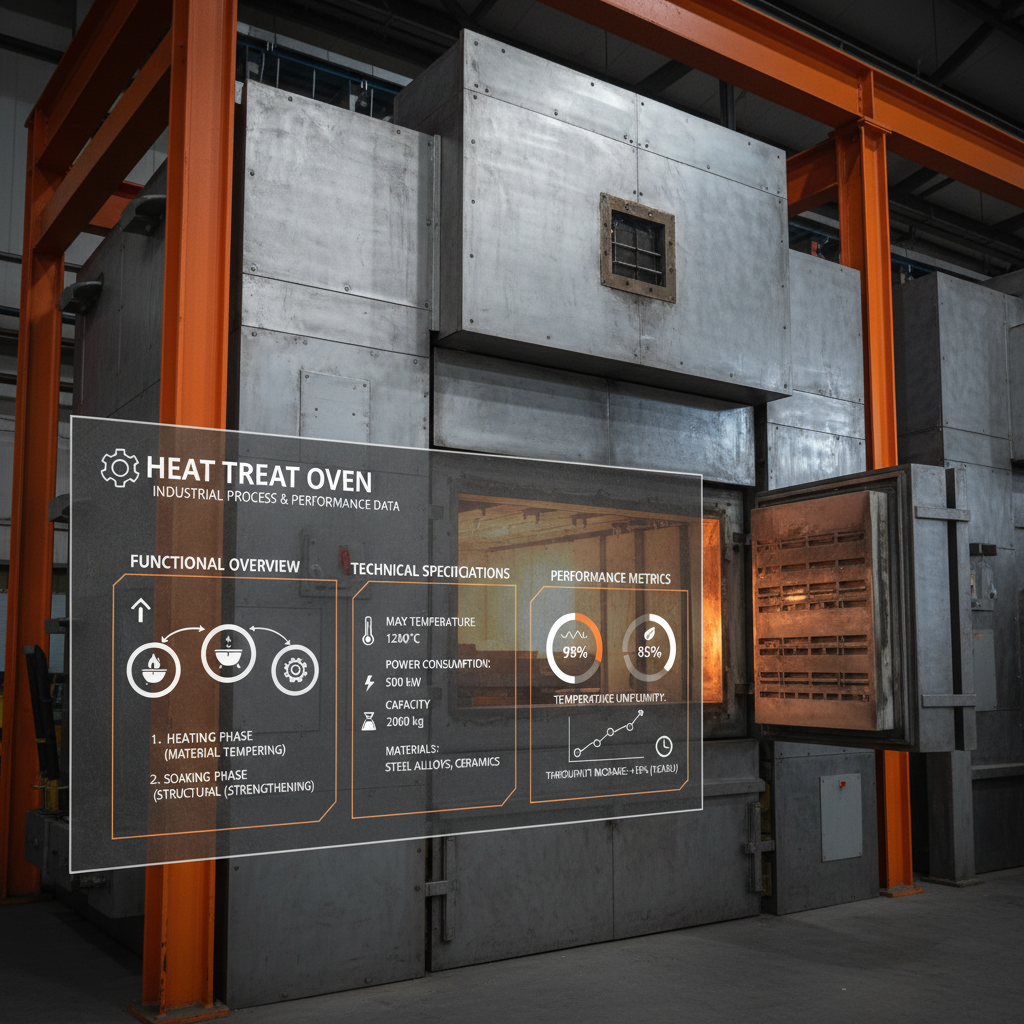
Key technical specifications for heat treat ovens include maximum temperature, temperature uniformity, heating rate, cooling rate, and atmosphere control capabilities. Regular maintenance is crucial for ensuring optimal performance and extending the life of the oven. This includes inspecting heating elements, checking insulation, cleaning the chamber, and calibrating temperature sensors. Following the manufacturer's recommended maintenance schedule is essential for preventing costly downtime and ensuring consistent results. CZ Lab Instrument provides comprehensive maintenance services and support.
Conclusion: Investing in Quality Heat Treat Oven Technology
Investing in a high-quality heat treat oven from a reputable provider like CZ Lab Instrument is crucial for achieving optimal results, ensuring product quality, and maximizing operational efficiency. By carefully considering your specific needs and selecting the right oven type, you can significantly enhance your manufacturing processes and gain a competitive advantage.
Frequently Asked Questions (FAQs)
What is the typical lifespan of a heat treat oven?
The lifespan of a heat treat oven typically ranges from 10 to 20 years, depending on usage, maintenance, and the quality of the equipment. Regular maintenance, including inspections, cleaning, and component replacements, can significantly extend its lifespan. Factors like the frequency of use, the severity of the operating conditions, and the quality of the initial construction all play a role. Proper operation and adherence to manufacturer recommendations are crucial for maximizing the oven's longevity.
How important is temperature uniformity in a heat treat oven?
Temperature uniformity is absolutely critical in a heat treat oven. Consistent temperature distribution throughout the chamber ensures that all parts are heated and cooled at the same rate, resulting in uniform material properties. Non-uniform heating can lead to variations in hardness, strength, and other critical characteristics. High-quality ovens are designed with advanced heating elements and insulation to minimize temperature gradients and maintain exceptional uniformity.
What are the benefits of a vacuum heat treat oven?
Vacuum heat treat ovens offer several significant benefits. The vacuum atmosphere prevents oxidation and decarburization, preserving the material's surface properties and preventing scaling. This results in cleaner parts with improved corrosion resistance. Vacuum furnaces also allow for lower processing temperatures, reducing energy consumption and minimizing distortion. They are particularly well-suited for heat treating sensitive materials like stainless steel, titanium, and superalloys.
What safety features should I look for in a heat treat oven?
Essential safety features include over-temperature protection, door interlocks, and proper ventilation. Over-temperature protection prevents the oven from exceeding safe operating limits. Door interlocks prevent access to the hot chamber during operation. Adequate ventilation removes fumes and gases generated during the heat treating process. Ensure the oven complies with relevant safety standards and regulations. Regularly inspect safety features to ensure they are functioning correctly.


