
Comprehensive Guide to Industrial Oven Selection and Applications
Industrial Oven: A Comprehensive Guide
An industrial oven is a crucial piece of equipment in a wide range of manufacturing and laboratory processes. From heat treating metals to curing coatings and drying materials, these ovens provide precise temperature control and consistent heating. Choosing the right industrial oven can significantly impact product quality, efficiency, and overall operational costs. This article will delve into the different types of industrial ovens, their applications, key features, and factors to consider when making a purchase.
Types of Industrial Ovens
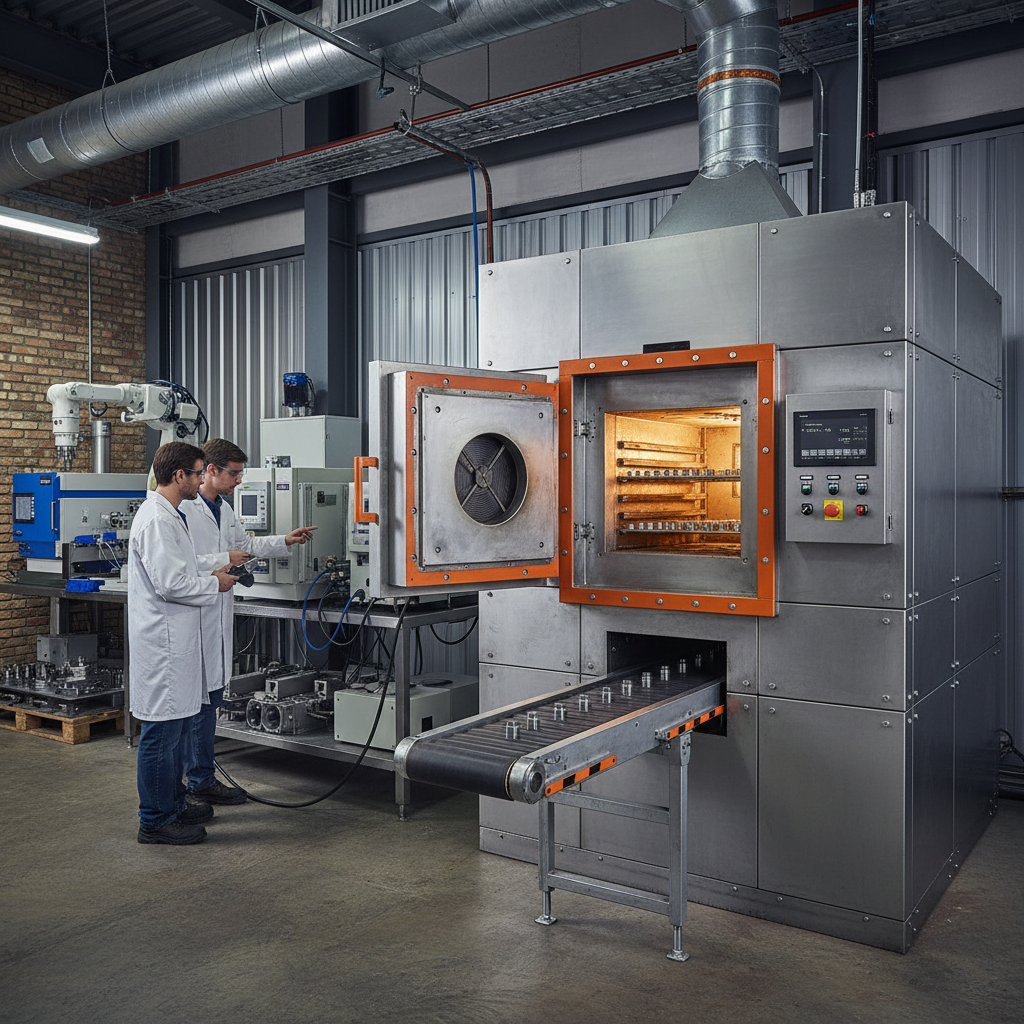
Industrial ovens come in various types, each designed for specific applications. Some common types include batch ovens, conveyor ovens, car bottom ovens, and vacuum ovens. Batch ovens are ideal for low-volume production and offer flexibility. Conveyor ovens are used for continuous processing and high-volume applications. Car bottom ovens are designed for heating large, heavy parts. Vacuum ovens provide controlled atmosphere heating, minimizing oxidation and ensuring precise results. Understanding the different types is the first step towards selecting the oven best suited for your needs. Factors like production volume, material being processed, and desired temperature uniformity will influence your decision. For specialized applications, custom-designed ovens may be necessary.
Key Takeaway: Choosing the right oven type significantly impacts production efficiency and product quality. Carefully assess your requirements before making a decision.
Industrial Oven Applications
The applications of industrial ovens are incredibly diverse. They are widely used in the aerospace industry for heat treating components, in the automotive industry for curing paint and powder coatings, and in the electronics industry for drying printed circuit boards. The food industry utilizes industrial ovens for baking, roasting, and dehydrating products. Furthermore, laboratories rely on these ovens for material testing, research and development, and precise drying processes. The ability to control temperature precisely is paramount in all these applications, ensuring consistent results and meeting stringent quality standards. From small-scale research to large-scale manufacturing, the versatility of industrial ovens makes them indispensable in numerous sectors.
Common Applications:
• Heat treating metals
• Curing coatings
• Drying materials
• Baking and roasting (food industry)
Key Features to Consider When Choosing an Industrial Oven
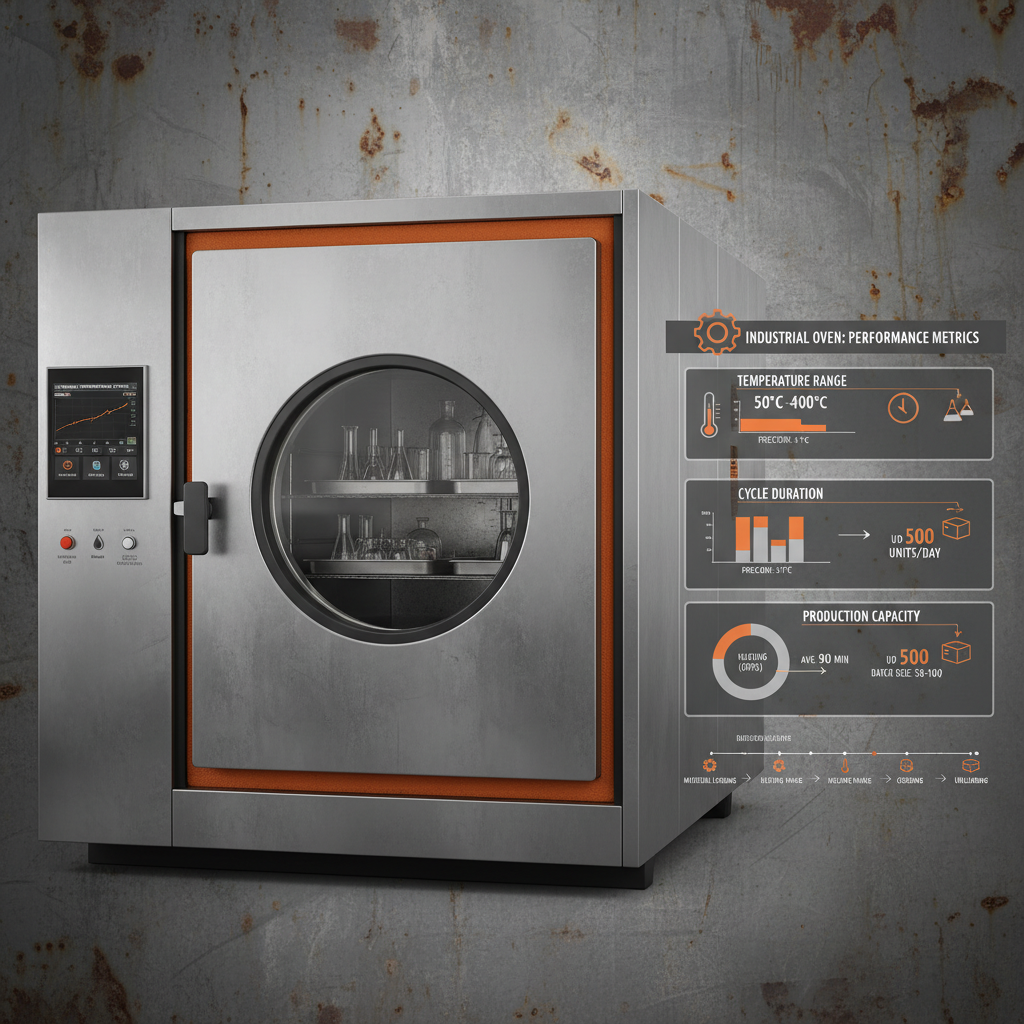
When selecting an industrial oven, several key features should be carefully considered. Temperature range and accuracy are critical, ensuring the oven can reach and maintain the required temperatures for your specific process. Temperature uniformity is equally important, guaranteeing consistent heating throughout the chamber. Programmable controls allow for automated operation and complex heating profiles. Safety features, such as over-temperature protection and door interlocks, are essential to prevent accidents. Construction materials should be durable and resistant to corrosion. Finally, consider the oven's size and capacity to ensure it can accommodate your workload.
Factors Influencing Industrial Oven Costs
The cost of an industrial oven can vary significantly depending on its type, size, features, and manufacturer. Larger ovens with wider temperature ranges and advanced control systems will naturally be more expensive. Custom-designed ovens will also command a higher price tag. Consider your budget carefully and prioritize the features that are most critical for your application. Factors such as energy efficiency and maintenance requirements should also be factored into the total cost of ownership. Contacting CZ Lab Instrument for a detailed quote tailored to your specific needs is recommended.
Maintenance and Longevity of Industrial Ovens
Regular maintenance is crucial for ensuring the longevity and reliable performance of your industrial oven. This includes routine inspections of heating elements, temperature sensors, and safety devices. Cleaning the oven chamber regularly to remove debris and residue is also essential. Following the manufacturer's recommended maintenance schedule will help prevent costly repairs and extend the oven's lifespan. Addressing minor issues promptly can prevent them from escalating into major problems. Preventive maintenance is always more cost-effective than reactive repairs. A well-maintained oven will deliver consistent results and contribute to overall production efficiency.
Conclusion: Investing in the Right Industrial Oven
Choosing the right industrial oven is a significant investment that can greatly impact your operations. By carefully considering your application requirements, key features, and budget, you can select an oven that delivers reliable performance, consistent results, and long-term value. Don't hesitate to consult with experts at CZ Lab Instrument to find the perfect oven for your needs.
Frequently Asked Questions (FAQs)
What is the typical lead time for a custom industrial oven?
The lead time for a custom industrial oven can vary depending on the complexity of the design and the manufacturer's workload. Generally, you can expect a lead time of 8-16 weeks. It's crucial to discuss your specific requirements with the manufacturer early in the process to get an accurate estimate. Factors such as the availability of materials and specialized components can also impact the lead time. Detailed engineering drawings and specifications should be provided upfront to streamline the process and minimize delays.
How often should I calibrate the temperature sensors in my industrial oven?
Temperature sensors should be calibrated at least annually, or more frequently if the oven is used for critical applications. Regular calibration ensures accurate temperature control and consistent results. It’s recommended to use a certified calibration service to verify the accuracy of the sensors. Maintaining accurate temperature control is vital for meeting quality standards and preventing process variations. Keep a record of all calibration activities for traceability and compliance purposes.
What safety features should I look for in an industrial oven?
Essential safety features include over-temperature protection, door interlocks, and emergency stop buttons. Over-temperature protection prevents the oven from exceeding a safe operating temperature. Door interlocks ensure the oven cannot be operated with the door open. Emergency stop buttons allow for immediate shutdown in case of a malfunction. It's also important to ensure the oven is properly grounded and has adequate ventilation. Contact CZ Lab Instrument to learn more.
What are the energy efficiency considerations for industrial ovens?
Energy efficiency is a crucial factor, especially with rising energy costs. Look for ovens with high-quality insulation, efficient heating elements, and programmable controls to minimize energy consumption. Consider ovens with recovery systems that capture and reuse waste heat. Regularly maintaining the oven, including cleaning and inspecting insulation, can also improve energy efficiency. Investing in an energy-efficient oven can result in significant cost savings over its lifespan.


