
Comprehensive Guide to HEPA Filter Laminar Flow Cabinet Applications and Selection
HEPA Filter Laminar Flow Cabinet: A Comprehensive Guide
In critical environments like laboratories, pharmaceutical production, and electronics manufacturing, maintaining a sterile workspace is paramount. A HEPA Filter Laminar Flow Cabinet provides precisely that – a controlled, particle-free environment essential for sensitive applications. This article will explore the functionality, benefits, applications, and key considerations when selecting a laminar flow cabinet, helping you make an informed decision. Ensuring a contamination-free work area is not just a best practice, it's crucial for the integrity of research and product quality.

Understanding HEPA Filtration and Laminar Airflow
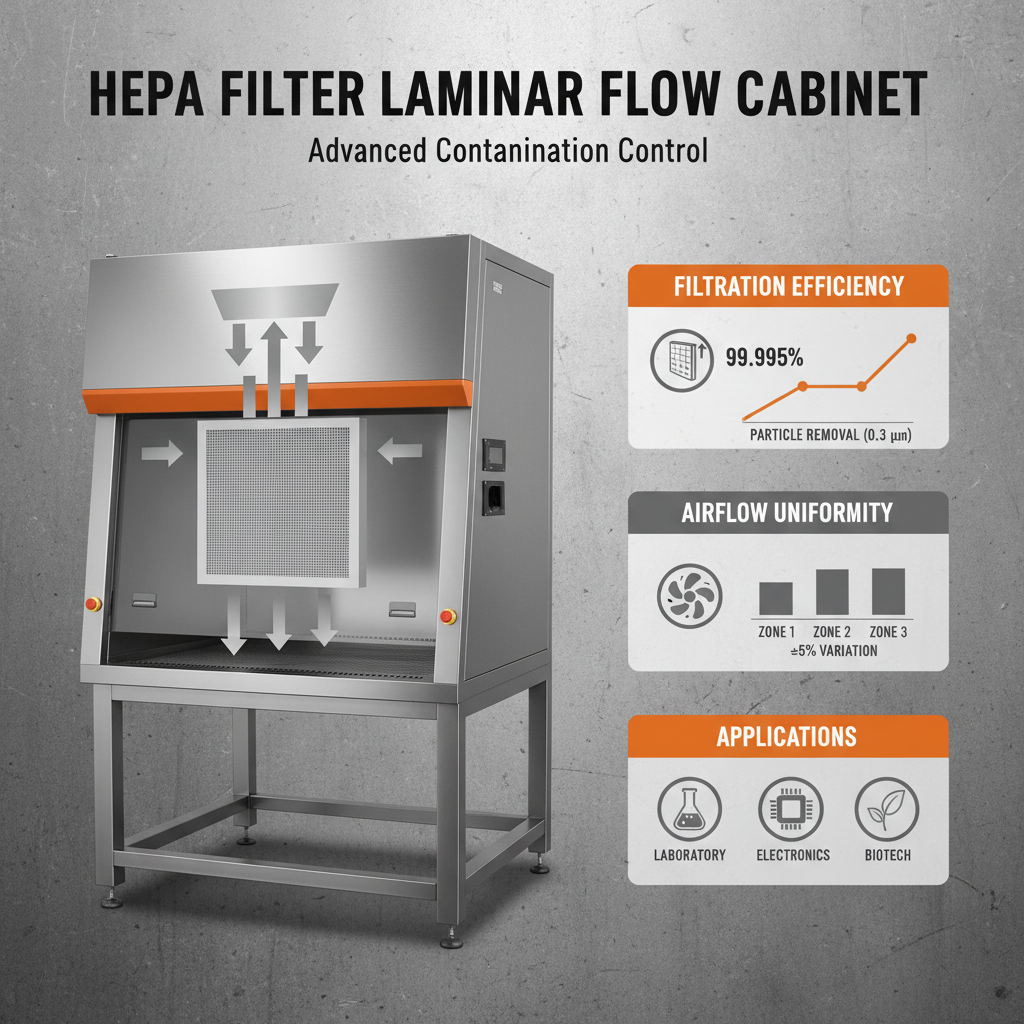
The core of a laminar flow cabinet's effectiveness lies in its HEPA (High-Efficiency Particulate Air) filter. These filters are designed to capture at least 99.97% of particles 0.3 microns in diameter, effectively removing bacteria, viruses, and other airborne contaminants. Laminar airflow refers to the smooth, unidirectional flow of air across the work surface. This airflow minimizes turbulence and ensures that contaminants are swept away from the critical work area. There are two main types of laminar flow cabinets: horizontal and vertical. Horizontal cabinets blow air across the work surface, while vertical cabinets blow air down from the top. Choosing the right type depends on the specific application and risk assessment. CZLabInstrument offers a range of both types to meet diverse needs.
Key Benefits: High-efficiency particle removal, protection against contamination, improved product quality, and a safe working environment.
Applications of HEPA Filter Laminar Flow Cabinets
The applications of laminar flow cabinets are incredibly diverse. In microbiology, they're used for sterile cell culture, isolating sensitive samples, and preparing media. Pharmaceutical companies rely on them for compounding sterile medications, ensuring patient safety. The electronics industry utilizes laminar flow cabinets to protect sensitive components during assembly and inspection. Furthermore, they’re critical in IVF clinics, food safety testing, and research laboratories across various disciplines. The ability to create a controlled environment makes them indispensable for any process demanding high levels of purity.
Common Applications:
• Microbiology and Cell Culture
• Pharmaceutical Compounding
• Electronics Assembly
• IVF Procedures
Horizontal vs. Vertical Laminar Flow Cabinets: Which is Right for You?
Choosing between horizontal and vertical laminar flow cabinets depends on your application and potential hazards. Horizontal flow cabinets, with air blowing across the work surface, are suitable for general applications where protecting the product from contamination is the primary concern. However, they offer less protection to the operator, as contaminants can escape more easily. Vertical flow cabinets, with air blowing down from the top, provide better operator protection and are ideal for working with hazardous materials. It’s important to consider the potential risks and choose a cabinet that offers the appropriate level of containment. CZLabInstrument experts can help you assess your needs and select the best option.
Key Considerations When Selecting a HEPA Filter Laminar Flow Cabinet
Several factors should influence your decision when purchasing a laminar flow cabinet. The size of the work area is critical; ensure it's adequate for your needs. Consider the materials of construction – stainless steel is preferred for its durability and ease of cleaning. Airflow velocity is another important parameter; it should be within the recommended range for your application. Also, look for cabinets with features like UV sterilization, ergonomic designs, and easy-to-replace filters. Finally, ensure the cabinet meets relevant safety standards and certifications. CZLabInstrument offers detailed specifications and expert guidance to help you choose the perfect cabinet.
Maintaining Your Laminar Flow Cabinet for Optimal Performance
Regular maintenance is essential to ensure the continued effectiveness of your laminar flow cabinet. This includes routinely cleaning the work surface with appropriate disinfectants, regularly replacing the HEPA filter (typically every 6-12 months, depending on usage), and inspecting the cabinet for any damage. Proper maintenance not only extends the lifespan of the cabinet but also guarantees the integrity of your experiments and products. CZLabInstrument provides comprehensive maintenance services and genuine replacement filters.
Conclusion: Investing in a Sterile Environment
A HEPA Filter Laminar Flow Cabinet is a vital investment for any facility requiring a sterile working environment. By understanding the different types, key considerations, and maintenance requirements, you can select and operate a cabinet that ensures the integrity of your work and the safety of your personnel. Don't compromise on quality – choose a reliable partner like CZLabInstrument for all your laminar flow cabinet needs.
Frequently Asked Questions (FAQs)
How often should I replace the HEPA filter?
The HEPA filter should be replaced every 6-12 months, or more frequently if the cabinet is used heavily or in a particularly contaminated environment. Monitoring the differential pressure gauge is a good indicator of filter loading; a significant increase in pressure indicates the filter needs replacement. Regularly check with the manufacturer's guidelines for specific recommendations. Using a high-quality filter from a reputable supplier like CZLabInstrument ensures optimal performance and filtration efficiency.
What type of cleaning agents are safe to use in a laminar flow cabinet?
Only use cleaning agents specifically designed for use in laminar flow cabinets. Avoid harsh chemicals, abrasive cleaners, and solvents that can damage the HEPA filter or cabinet materials. 70% isopropyl alcohol is generally a safe and effective disinfectant. Always follow the manufacturer's recommendations for cleaning procedures and approved cleaning agents. Proper cleaning ensures the continued sterility of the work environment.
How can I verify that my laminar flow cabinet is functioning correctly?
Regularly check the airflow velocity using an anemometer to ensure it meets the manufacturer's specifications. Inspect the HEPA filter for any signs of damage or leakage. Monitor the differential pressure gauge. Perform smoke tests to visualize the airflow pattern and confirm laminar flow. Calibration and certification services are available from CZLabInstrument to ensure optimal performance.
What is the difference between a laminar flow cabinet and a biosafety cabinet?
While both provide a clean work environment, they serve different purposes. Laminar flow cabinets protect the product from contamination, while biosafety cabinets (BSCs) protect both the product and the operator from hazardous materials. BSCs have additional features like inward airflow and HEPA filtration of exhaust air. Choosing the right cabinet depends on the nature of the work being performed and the potential hazards involved.


