
Comprehensive Guide to Laminar Flow Clean Bench Applications and Selection
Understanding Laminar Flow Clean Benches: A Comprehensive Guide
In critical environments like laboratories, pharmaceutical manufacturing, and electronics assembly, maintaining a contamination-free workspace is paramount. A Laminar Flow Clean Bench is an essential piece of equipment for achieving this. This article provides a detailed overview of laminar flow clean benches, their applications, types, and key considerations when selecting the right bench for your needs. Ensuring product integrity and worker safety relies on the precision and reliability of these specialized workstations. We'll explore the science behind laminar flow and how it translates into a controlled environment.
What is a Laminar Flow Clean Bench?
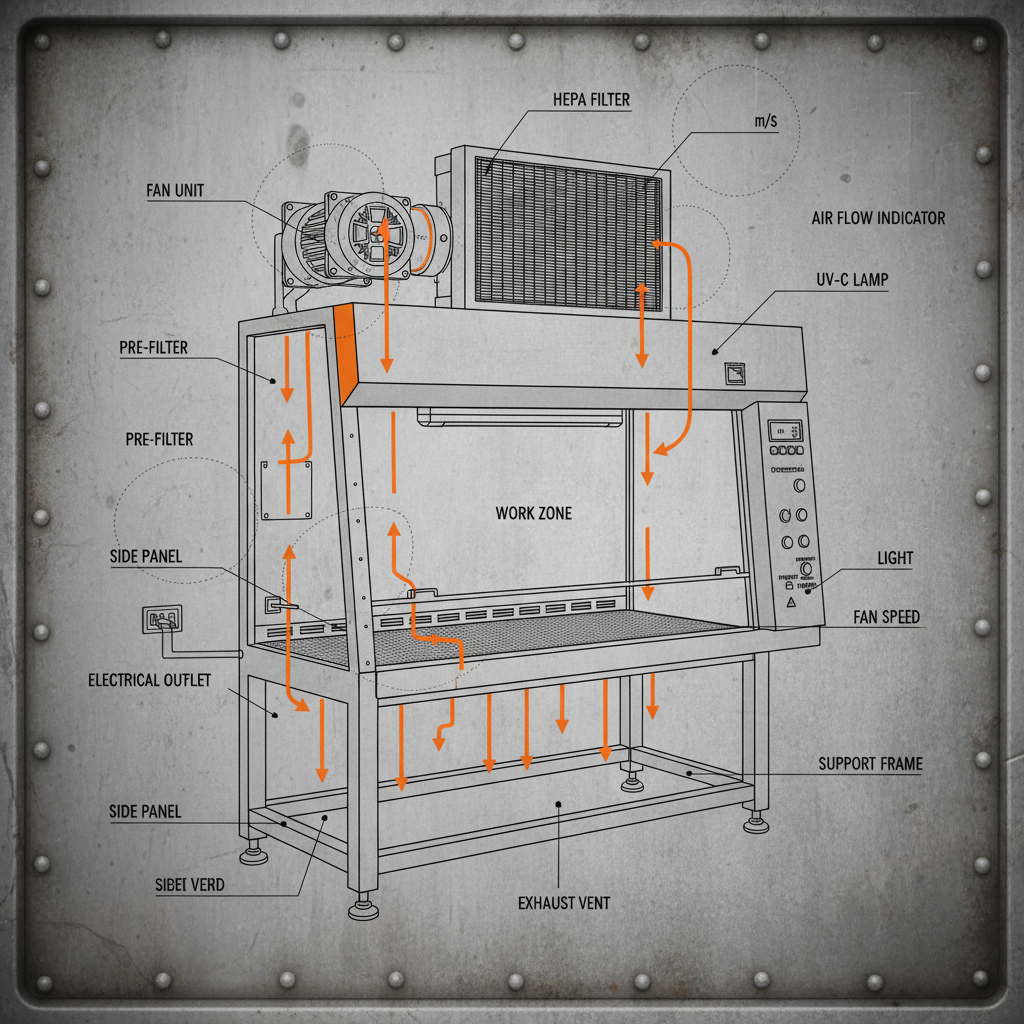
A Laminar Flow Clean Bench creates a particle-free workspace using a HEPA (High-Efficiency Particulate Air) filter and a fan system to maintain a unidirectional airflow. This airflow prevents contaminants from entering the critical work area, ensuring a sterile environment. The air is drawn through the HEPA filter, removing 99.97% of particles 0.3 microns in size or larger. These benches aren’t the same as Biosafety Cabinets - they do not protect the user, only the sample. CZ Lab Instrument provides high-quality laminar flow clean benches designed for various applications.
Key Highlights: Maintains a unidirectional airflow using a HEPA filter, removing 99.97% of particles 0.3 microns and larger. Does not provide user protection. Critical for contamination-sensitive procedures.
Types of Laminar Flow Clean Benches
There are two primary types of laminar flow clean benches: horizontal and vertical. Each offers distinct advantages depending on the application. Horizontal flow benches draw air across the work surface from back to front, while vertical flow benches draw air down from the top. Understanding the difference is crucial for selecting the appropriate bench for your specific needs.
Laminar Flow Bench Types:
• Horizontal Flow: Airflow is parallel to the work surface.
• Vertical Flow: Airflow is perpendicular to the work surface.
• Applications: Horizontal is better for larger items or where cross-contamination isn't a huge concern, vertical for sensitive sample work.
Horizontal vs. Vertical Laminar Flow: A Detailed Comparison
Choosing between horizontal and vertical laminar flow depends heavily on your application. Horizontal flow benches are often preferred for larger items or procedures where the entire work surface needs to be uniformly clean. Vertical flow benches, however, provide a higher level of protection for sensitive samples as the downward airflow effectively prevents airborne contaminants from directly entering the work area. CZ Lab Instrument's range includes both options to suit various needs.
Applications of Laminar Flow Clean Benches
Laminar flow clean benches are vital in diverse fields. They’re commonly used in pharmaceutical compounding, ensuring the sterility of medications. In electronics manufacturing, they protect sensitive components from dust and contamination during assembly. Microbiology laboratories utilize them for culture work, and research facilities rely on them for a variety of experiments requiring a controlled environment. CZ Lab Instrument provides solutions for all these industries.
Selecting the Right Laminar Flow Clean Bench: Key Considerations
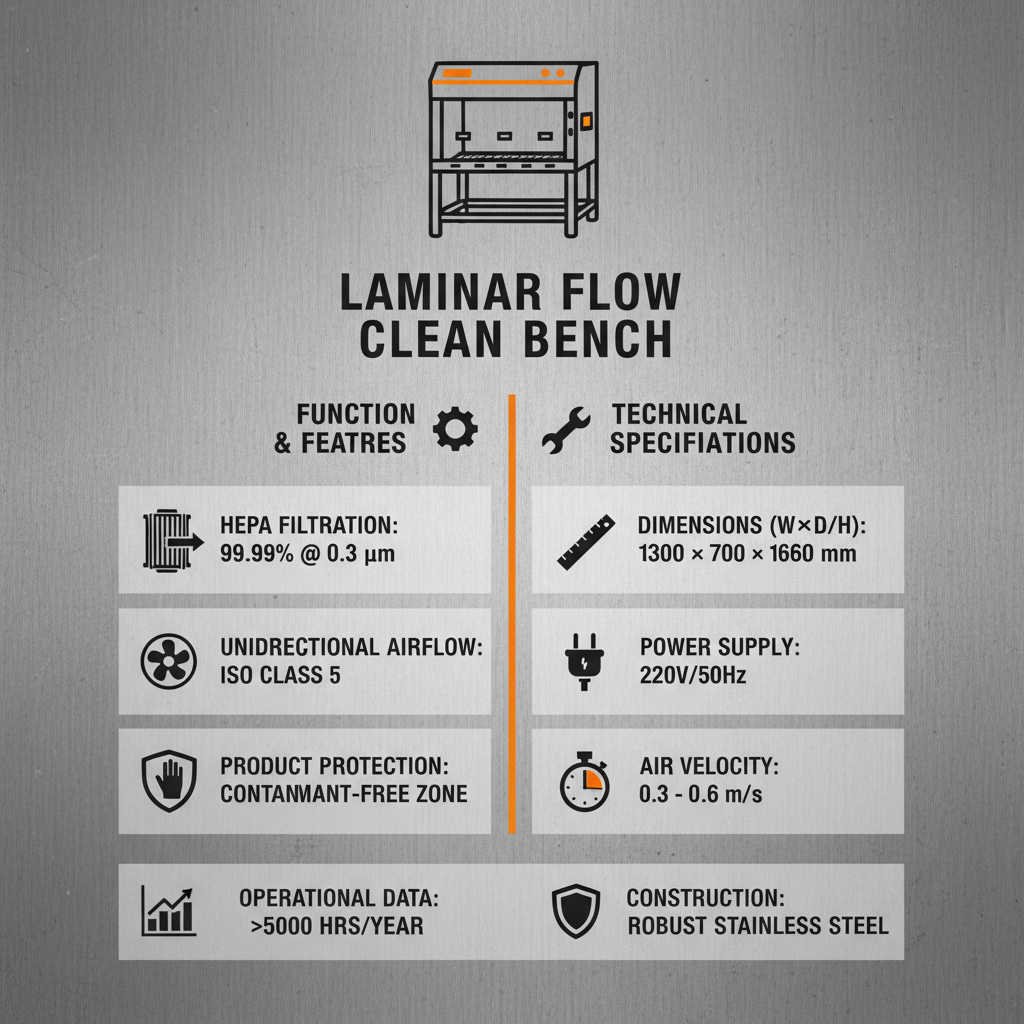
When choosing a laminar flow clean bench, several factors are critical. Consider the size of your workspace, the nature of your application, and the level of sterility required. Evaluate the bench’s airflow rate, filter efficiency, and materials of construction. Furthermore, ensure the bench meets relevant safety standards and certifications. CZ Lab Instrument offers expert guidance to help you select the optimal bench for your specific requirements.
Conclusion: Ensuring a Controlled Environment with CZ Lab Instrument
A Laminar Flow Clean Bench is an indispensable tool for maintaining a contamination-free workspace. Choosing the right type and configuration, coupled with regular maintenance, ensures optimal performance and protects your valuable work. CZ Lab Instrument offers a comprehensive range of high-quality clean benches and expert support to meet your specific needs.
Frequently Asked Questions (FAQs)
How often should I change the HEPA filter in my laminar flow bench?
The frequency of HEPA filter replacement depends on usage and the environment. Generally, filters should be replaced every 6-12 months, or sooner if the differential pressure reading indicates a significant drop in airflow. Regular filter integrity testing is recommended to ensure optimal performance. Proper filter maintenance is crucial for maintaining a sterile work environment. CZ Lab Instrument offers filter replacement services and guidance.
What's the difference between a laminar flow bench and a biosafety cabinet?
While both provide a controlled environment, they serve different purposes. A laminar flow bench protects the sample from contamination, but doesn't protect the user. A biosafety cabinet (BSC) protects both the sample and the user by containing aerosols and providing personnel protection. BSCs are essential when working with hazardous biological materials. The key difference is that a BSC is a contained system, while a laminar flow bench is an open system.
How do I properly clean and disinfect a laminar flow bench?
Cleaning and disinfection are essential for maintaining a sterile environment. Before cleaning, remove all materials from the bench. Wipe down all surfaces with an appropriate disinfectant, such as 70% isopropyl alcohol, following the manufacturer’s instructions. Allow the disinfectant to dry completely before resuming work. Regular cleaning prevents the build-up of contaminants and ensures optimal performance.
What factors affect the airflow in a laminar flow bench?
Several factors can affect airflow, including filter loading, fan performance, and obstructions within the bench. A clogged filter reduces airflow, while a malfunctioning fan can disrupt the laminar flow pattern. Avoid placing large items near the air inlets or outlets, as this can also disrupt airflow. Regularly monitoring the airflow velocity is recommended to ensure optimal performance.


