
Comprehensive Guide to Industrial Thermal Vacuum Chamber Applications and Selection
Industrial Thermal Vacuum Chamber: A Comprehensive Guide
In the realm of materials science, research and development, and quality control, the Industrial Thermal Vacuum Chamber is an indispensable tool. These chambers provide a controlled environment for simulating extreme conditions, allowing scientists and engineers to study material behavior, perform thermal testing, and conduct experiments requiring a vacuum atmosphere. This article will delve into the intricacies of these chambers, exploring their applications, key features, types, and considerations for selecting the right chamber for your needs. Understanding the capabilities of an Industrial Thermal Vacuum Chamber is essential for optimizing research outcomes and ensuring product reliability.
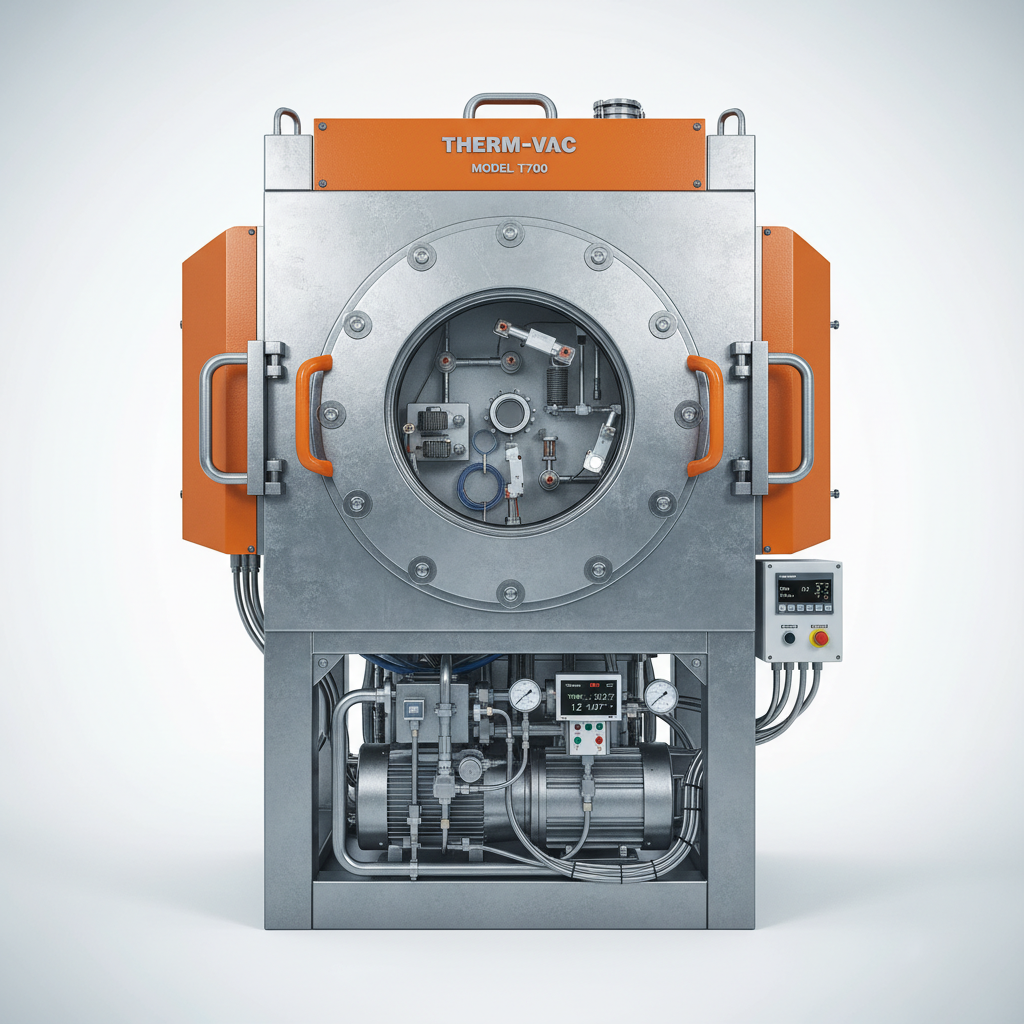
What is an Industrial Thermal Vacuum Chamber?
An Industrial Thermal Vacuum Chamber is a sealed enclosure designed to provide precise control over both temperature and atmospheric pressure. It effectively creates a simulated space environment, eliminating atmospheric interference and enabling experiments to be conducted under controlled thermal conditions. These chambers are vital for testing the performance of materials and components in extreme environments, such as those encountered in aerospace, electronics, and semiconductor manufacturing. The ability to independently control temperature and pressure allows for a wide range of tests, including outgassing studies, thermal shock testing, and materials compatibility assessments.
Key Applications of Industrial Thermal Vacuum Chambers
The versatility of Industrial Thermal Vacuum Chambers makes them applicable across numerous industries. Aerospace companies utilize them to test materials and components that will be exposed to the harsh conditions of space. Semiconductor manufacturers rely on these chambers for quality control and reliability testing of their products. Pharmaceutical companies use them for freeze-drying processes and stability studies. Furthermore, research institutions employ them for a wide range of materials science investigations. The ability to precisely control the environment within the chamber ensures accurate and reliable test results.
Common Applications: Aerospace testing, Semiconductor reliability testing, Pharmaceutical freeze-drying, Materials science research, Outgassing analysis, Thermal shock testing.
Types of Industrial Thermal Vacuum Chambers
Industrial Thermal Vacuum Chambers come in various configurations, each designed for specific applications and budget constraints. Box-type chambers are the most common and versatile, suitable for a wide range of testing needs. Cylindrical chambers offer improved uniformity of temperature and pressure, making them ideal for sensitive experiments. Rapid thermal chambers are designed for fast temperature cycling, crucial for simulating thermal shock conditions. Selecting the appropriate chamber type depends on the specific requirements of your application. Factors to consider include chamber size, temperature range, vacuum level, and desired features.
Chamber Type Comparison:
• Box-Type: Versatile, Cost-effective, Suitable for general applications.
• Cylindrical: Improved uniformity, Ideal for sensitive experiments.
• Rapid Thermal: Fast temperature cycling, Thermal shock testing.
Key Features to Consider When Choosing an Industrial Thermal Vacuum Chamber
Selecting the right Industrial Thermal Vacuum Chamber requires careful consideration of several key features. The temperature range should align with the requirements of your testing. The vacuum level, measured in Torr or Pascals, needs to be sufficient for your application. The chamber material, typically stainless steel, must be compatible with the substances being tested. Control systems should offer precise temperature and pressure control, as well as data logging capabilities. Additional features, such as viewing ports, feedthroughs for sensors and wiring, and automated venting systems, can enhance the chamber's functionality. It's crucial to prioritize features that directly support your research or testing objectives.
Ensuring Safety and Maintenance
Operating an Industrial Thermal Vacuum Chamber requires adherence to strict safety protocols. Proper grounding is crucial to prevent electrical hazards. Regular leak checks should be performed to maintain the vacuum integrity. Inspect the chamber for any signs of damage or corrosion. Maintenance should include cleaning the chamber, replacing seals, and calibrating sensors. Following the manufacturer's recommendations for maintenance and safety procedures is essential for ensuring reliable operation and preventing accidents.
Conclusion: Investing in Precision and Reliability
The Industrial Thermal Vacuum Chamber is a critical asset for a wide range of industries and research disciplines. By understanding the different types, features, and safety considerations, you can select the optimal chamber to meet your specific needs. Investing in a high-quality chamber from a reputable supplier like CZ Lab Instrument ensures precision, reliability, and long-term performance.
Frequently Asked Questions (FAQs)
What level of vacuum is typically required for materials testing?
The required vacuum level depends on the specific material and testing application. For outgassing studies, a high vacuum of 1 x 10⁻⁶ Torr or lower is often necessary to accurately measure the evolved gases. For thermal cycling and other tests, a lower vacuum level of 1 x 10⁻³ Torr may be sufficient. It's important to consult material specifications and testing standards to determine the appropriate vacuum level for your application. The lower the pressure, the more effectively you can eliminate the influence of atmospheric gases on the test results, leading to more accurate data.
How important is temperature uniformity within the chamber?
Temperature uniformity is crucial for accurate and repeatable testing. Variations in temperature across the chamber can lead to inaccurate results, especially when testing materials with temperature-sensitive properties. Cylindrical chambers generally offer better temperature uniformity than box-type chambers. Features such as forced air circulation and multiple heating zones can also improve temperature uniformity. Prior to testing, it’s recommended to perform a temperature mapping exercise to verify the chamber’s uniformity.
What are the common feedthroughs used in thermal vacuum chambers?
Common feedthroughs include electrical feedthroughs for connecting sensors and heating elements, vacuum feedthroughs for introducing gases, and optical feedthroughs for viewing the chamber interior. The selection of feedthroughs depends on the specific requirements of your experiment. It's essential to choose feedthroughs that are vacuum-compatible and can withstand the operating temperatures and pressures of the chamber. Proper sealing of feedthroughs is crucial to maintain the vacuum integrity of the chamber.


