
Comprehensive Guide to Lab Bench Clean Room Solutions for Scientific Integrity
Lab Bench Clean Room: A Comprehensive Guide
Maintaining a sterile environment is crucial in numerous scientific and industrial applications. A lab bench clean room provides the controlled conditions necessary for sensitive research, manufacturing, and testing. This article will explore the importance of cleanroom lab benches, their different types, key features, and how to select the right solution for your needs. We'll also cover best practices for maintaining a cleanroom environment to ensure consistent and reliable results. Choosing the right lab bench clean room is a key investment for quality control and scientific integrity.
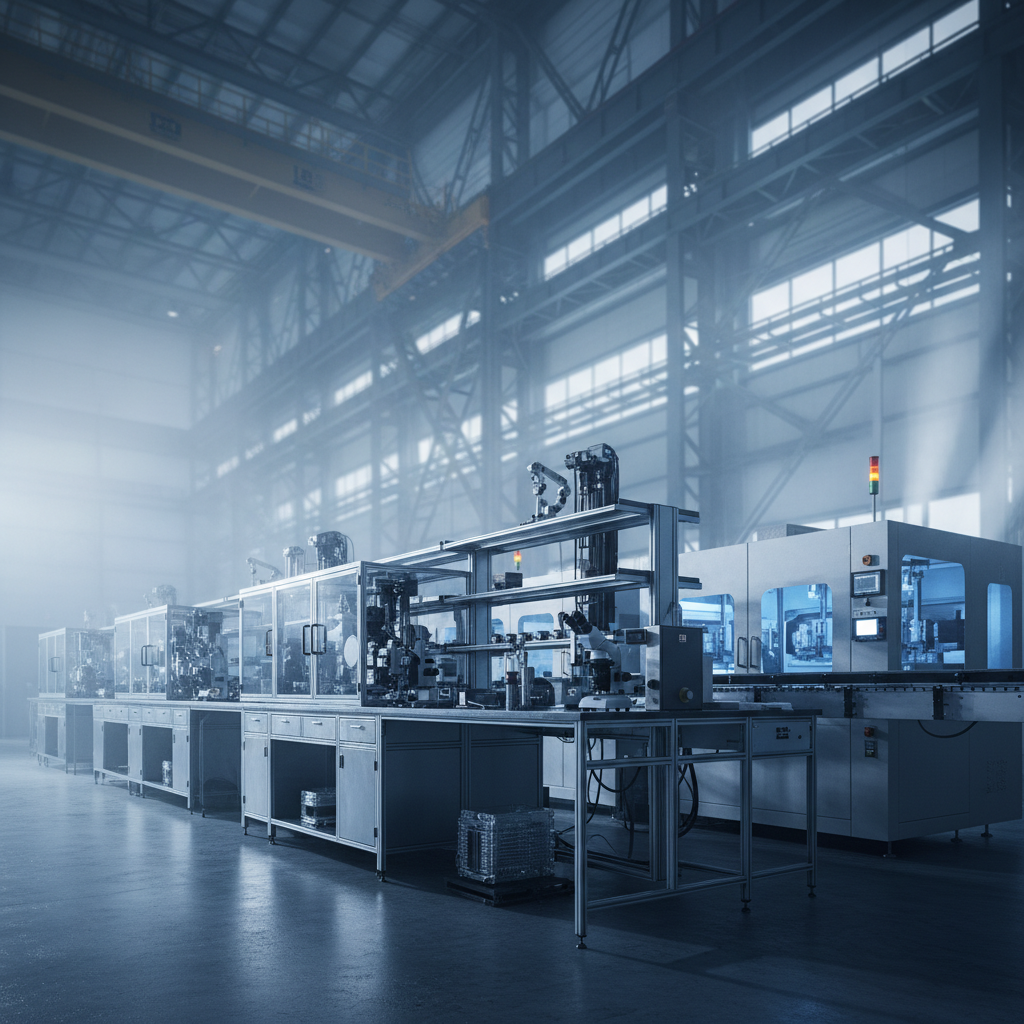
Why are Lab Bench Clean Rooms Important?
Cleanroom lab benches are specifically designed to minimize contamination, offering a controlled workspace free from dust, airborne particles, and other pollutants. This is critical in industries like pharmaceuticals, biotechnology, microelectronics, and nanotechnology, where even trace amounts of contamination can compromise experimental results, product quality, or manufacturing processes. By controlling these variables, scientists and technicians can ensure the accuracy, reliability, and repeatability of their work. A well-maintained cleanroom lab bench safeguards both your research and your bottom line.
Key Benefits: Minimizes contamination, improves accuracy of results, ensures product quality, enhances process reliability, and complies with industry standards.
Types of Lab Bench Clean Rooms
Several types of lab bench clean rooms are available, each suited to different applications and contamination control needs. These include:
- Conventional Clean Benches: These use HEPA filters to remove particles from the air, providing a clean workspace but offering limited protection to the product or process.
- Laminar Flow Hoods: These provide a unidirectional airflow, either horizontal or vertical, minimizing contamination. Vertical laminar flow hoods are generally preferred for sensitive applications.
- Glove Boxes: Also known as dry boxes, glove boxes provide a completely sealed environment, protecting both the worker and the process from contamination.
- Cleanroom Workstations: These are modular systems that can be customized to meet specific requirements, offering a high level of control and flexibility.
Cleanroom Classification:
• ISO Class 1-9: Internationally recognized standards defining the maximum permissible particle concentration. Lower numbers indicate cleaner environments.
• Federal Standard 209E: Older but still sometimes referenced US standard.
Key Features to Consider When Selecting a Lab Bench Clean Room
Choosing the right lab bench clean room requires careful consideration of several factors. Important features include:
- Airflow System: The type of airflow (laminar, turbulent) and direction (horizontal, vertical) will impact contamination control.
- Filtration System: HEPA filters are essential for removing airborne particles. Filter efficiency and replacement frequency should be considered.
- Material of Construction: Stainless steel is often preferred for its durability, corrosion resistance, and ease of cleaning.
- Ergonomics: The bench should be designed for comfortable and efficient use, minimizing strain on the operator.
- Size and Configuration: Choose a bench size and configuration that accommodates your equipment and workflow.
- Monitoring and Control Systems: Features like airflow monitors and particle counters can help ensure the cleanroom is functioning properly.
Maintaining Your Lab Bench Clean Room
Regular maintenance is crucial to ensure the continued effectiveness of your lab bench clean room. This includes:
- Filter Replacement: Follow the manufacturer’s recommendations for filter replacement.
- Surface Cleaning: Regularly clean all surfaces with appropriate disinfectants.
- Airflow Monitoring: Monitor airflow rates to ensure they are within specified limits.
- Leak Checks: Inspect seals and connections for leaks.
- Personnel Training: Ensure all personnel are trained on proper cleanroom procedures.
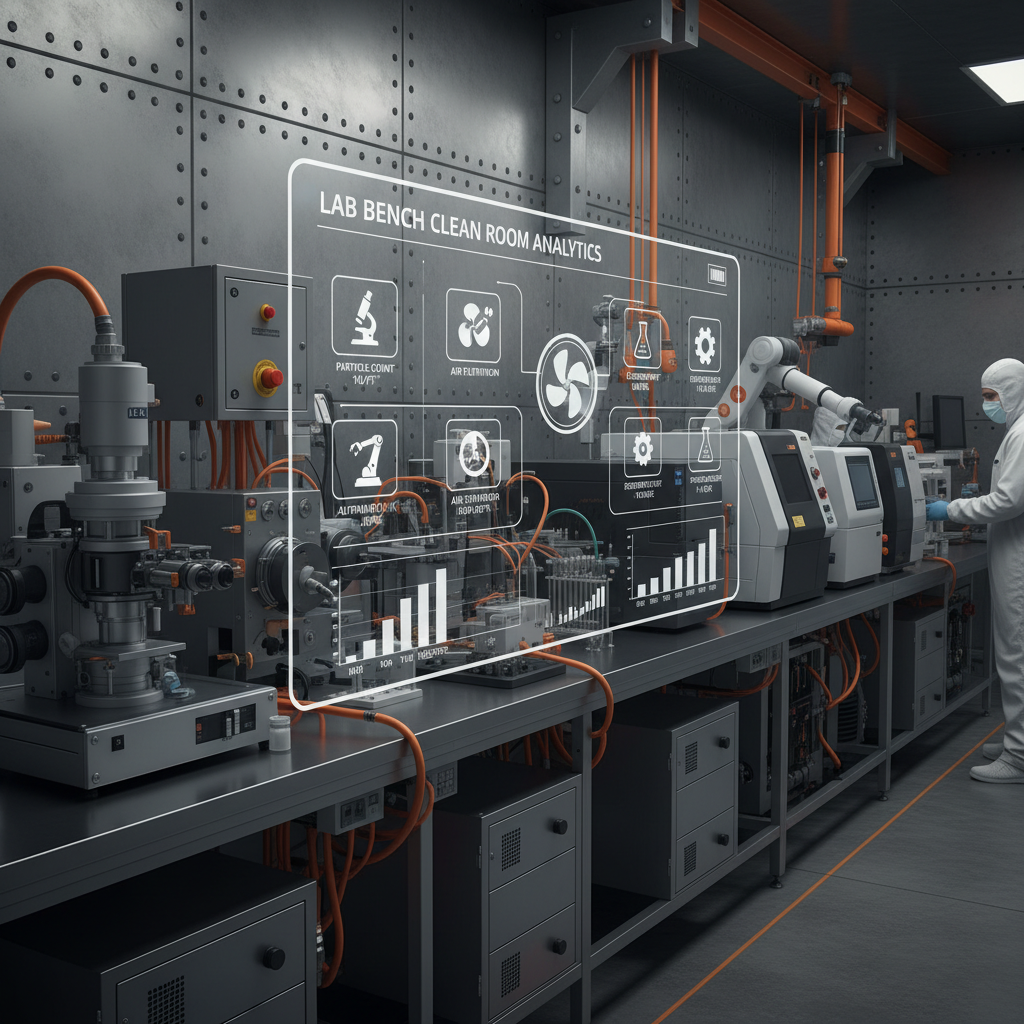
Choosing the Right Partner: CZ Lab Instrument
Selecting a reliable supplier is as important as choosing the right lab bench clean room. CZ Lab Instrument offers a comprehensive range of high-quality cleanroom solutions, backed by expert support and customization options. We understand the critical nature of contamination control and are committed to providing our customers with the best possible products and services. Whether you need a standard laminar flow hood or a customized cleanroom workstation, we can help you find the perfect solution for your needs.
Conclusion: Invest in a Sterile Future
Investing in a high-quality lab bench clean room from a trusted provider like CZ Lab Instrument is vital for ensuring accurate results, protecting product integrity, and maintaining a safe working environment. Don't compromise on cleanliness – choose a solution that meets your specific needs and supports your scientific endeavors.
Frequently Asked Questions (FAQs)
What is the difference between a clean bench and a laminar flow hood?
While both provide a clean workspace, they differ significantly in their protection mechanisms. A clean bench primarily protects the experiment from contamination but offers minimal protection to the operator. It utilizes HEPA filters, but airflow is often turbulent. A laminar flow hood, on the other hand, delivers a unidirectional airflow, creating a positive pressure environment that prevents contaminants from entering the work area. This airflow protects both the experiment and the operator. Laminar flow hoods are preferred for critical applications requiring stringent contamination control.
How often should HEPA filters be replaced in a lab bench clean room?
The frequency of HEPA filter replacement depends on usage, the level of contamination in the surrounding environment, and the filter's specifications. Generally, filters should be inspected at least every six months. Replacement is recommended when the pressure drop across the filter exceeds the manufacturer's recommendations, or when visual inspection reveals signs of damage or blockage. Regular monitoring using a particle counter can help determine the optimal filter replacement schedule.
What cleaning agents are safe to use on lab bench clean room surfaces?
It's crucial to use cleaning agents specifically designed for cleanroom environments. Avoid abrasive cleaners, solvents, and those that leave residue. Typically, 70% isopropyl alcohol (IPA) is a safe and effective disinfectant for most surfaces. However, always check the material compatibility of the cleaning agent with the surfaces you are cleaning, as some materials may be sensitive to certain chemicals. Refer to the manufacturer's guidelines for recommended cleaning procedures.


