
Comprehensive Guide to Laboratory Clean Bench Selection and Maintenance
Laboratory Clean Bench: A Comprehensive Guide
Maintaining a sterile work environment is paramount in numerous scientific and industrial applications. A Laboratory Clean Bench is an essential piece of equipment for achieving this. This article delves into the world of clean benches, exploring their types, applications, key features, and how to choose the right one for your needs. We'll cover everything from laminar flow principles to essential maintenance practices. Choosing the right clean bench can significantly enhance the accuracy and reliability of your research or production processes.

Understanding the Different Types of Laboratory Clean Benches
Laboratory clean benches aren't one-size-fits-all. The two primary types are horizontal and vertical laminar flow benches. Horizontal flow benches expel air across the work surface from back to front, making them ideal for applications where preventing airborne contamination of the sample is critical, but protecting the operator isn't a primary concern. Vertical flow benches, conversely, direct air downwards, offering both sample and operator protection. Choosing the right type depends on your specific requirements, the nature of the materials you’re handling, and the level of protection needed. CZ Lab Instrument offers both types to cater to diverse needs.
Key Takeaway: Horizontal flow protects the sample, vertical flow protects both the sample and the operator.
Applications of Laboratory Clean Benches
The versatility of laboratory clean benches makes them indispensable across a wide range of disciplines. In microbiology, they provide a sterile environment for culturing bacteria and other microorganisms. Pharmaceutical research utilizes them for compounding sterile medications and preparing samples for analysis. Electronics manufacturing relies on clean benches to prevent dust and contaminants from damaging sensitive components. Furthermore, they are used in cell culture, medical device manufacturing, and various other applications where maintaining a controlled environment is crucial. A well-maintained clean bench is an investment that yields accurate results and consistent quality.
Common Applications:
• Microbiology & Cell Culture
• Pharmaceutical Compounding
• Electronics Assembly
• Medical Device Production
Laboratory Clean Bench: Horizontal vs. Vertical – A Detailed Comparison
Choosing between a horizontal and vertical laminar flow clean bench requires careful consideration of your application. Horizontal flow benches offer better protection for the sample, but minimal operator protection. Vertical flow benches, while slightly less effective at sample protection, provide a barrier between the user and the potentially hazardous materials being handled. Understanding these differences is key to ensuring both safety and the integrity of your work. CZ Lab Instrument's expert team can help you assess your needs and recommend the optimal solution.
Key Features to Consider When Choosing a Laboratory Clean Bench
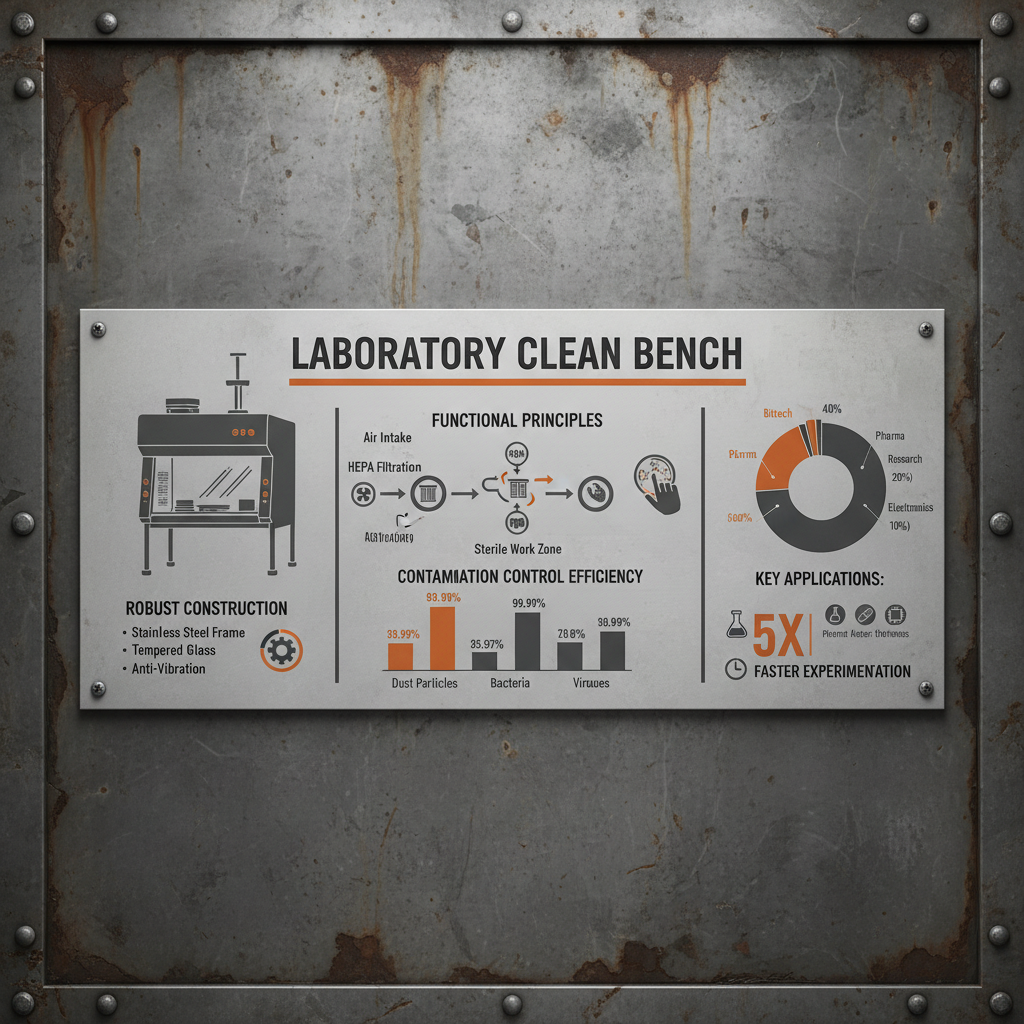
Several factors should influence your decision when purchasing a clean bench. Filter efficiency is paramount, with HEPA filters being the industry standard for removing particles 0.3 microns in size and larger. Airflow velocity is also critical, ensuring a consistent and laminar flow pattern. Construction materials should be durable, corrosion-resistant, and easy to clean. Consider features like UV sterilization, ergonomic design, and digital displays for monitoring performance. CZ Lab Instrument offers a range of models with varying features to meet your specific requirements.
Maintaining Your Laboratory Clean Bench: Best Practices
Regular maintenance is essential for ensuring the optimal performance and longevity of your clean bench. This includes routinely replacing HEPA filters according to the manufacturer's recommendations, cleaning the work surface with appropriate disinfectants, and monitoring airflow velocity. Proper maintenance not only preserves the sterile environment but also prevents costly repairs and downtime. Following a strict maintenance schedule is crucial for maintaining the integrity of your research or production processes. Consult your clean bench’s manual for detailed instructions and best practices.
Conclusion: Investing in a Sterile Environment
Investing in a high-quality Laboratory Clean Bench from CZ Lab Instrument is a crucial step towards ensuring the accuracy, reliability, and safety of your work. By understanding the different types of benches, their applications, and the importance of regular maintenance, you can make an informed decision that optimizes your workflow and protects your valuable research.
Frequently Asked Questions (FAQs)
How often should I replace the HEPA filter in my clean bench?
The frequency of HEPA filter replacement depends on usage and the environment. Generally, filters should be replaced every 6-12 months, or sooner if the pressure drop across the filter exceeds the manufacturer’s recommendations. Visual inspection for damage or discoloration is also important. Regular filter changes are critical for maintaining the clean bench's effectiveness. A clogged filter reduces airflow and compromises the sterile environment. CZ Lab Instrument provides replacement filters for all its clean bench models.
What cleaning agents are safe to use on a laboratory clean bench?
Use only cleaning agents specifically designed for laboratory environments and compatible with the clean bench’s materials (typically stainless steel). Avoid abrasive cleaners, solvents, and harsh chemicals that could damage the surfaces or contaminate the airflow. 70% isopropyl alcohol is a common and effective disinfectant for the work surface. Always refer to the clean bench’s manual for recommended cleaning agents and procedures.
How can I verify the airflow of my clean bench?
Airflow velocity can be measured using an anemometer, a specialized instrument designed to measure air speed. Regularly check the airflow to ensure it meets the manufacturer’s specifications. Decreased airflow indicates a potential problem with the filter or blower system. CZ Lab Instrument offers anemometers and can provide guidance on airflow verification procedures.
What safety precautions should I take when working with a clean bench?
Always wear appropriate personal protective equipment (PPE), such as gloves, lab coats, and eye protection, when working with a clean bench. Avoid placing materials that could generate dust or particles inside the bench. Maintain a clutter-free work surface and follow proper aseptic techniques. Ensure the clean bench is properly grounded to prevent static electricity buildup. And always consult the manufacturer's guidelines for specific safety recommendations.


