
Comprehensive Guide to Laboratory Electric Drying Ovens and Their Applications
Laboratory Electric Drying Oven: A Comprehensive Guide
A laboratory electric drying oven is an indispensable piece of equipment in numerous scientific and industrial settings. It provides a controlled temperature environment for removing moisture or other volatile substances from samples. Choosing the right oven is critical for ensuring accurate results and efficient workflows. This article will delve into the features, applications, and factors to consider when selecting a laboratory electric drying oven, focusing on the quality and reliability offered by CZ Lab Instrument. We’ll cover everything from basic principles to advanced functionalities to help you make an informed decision.
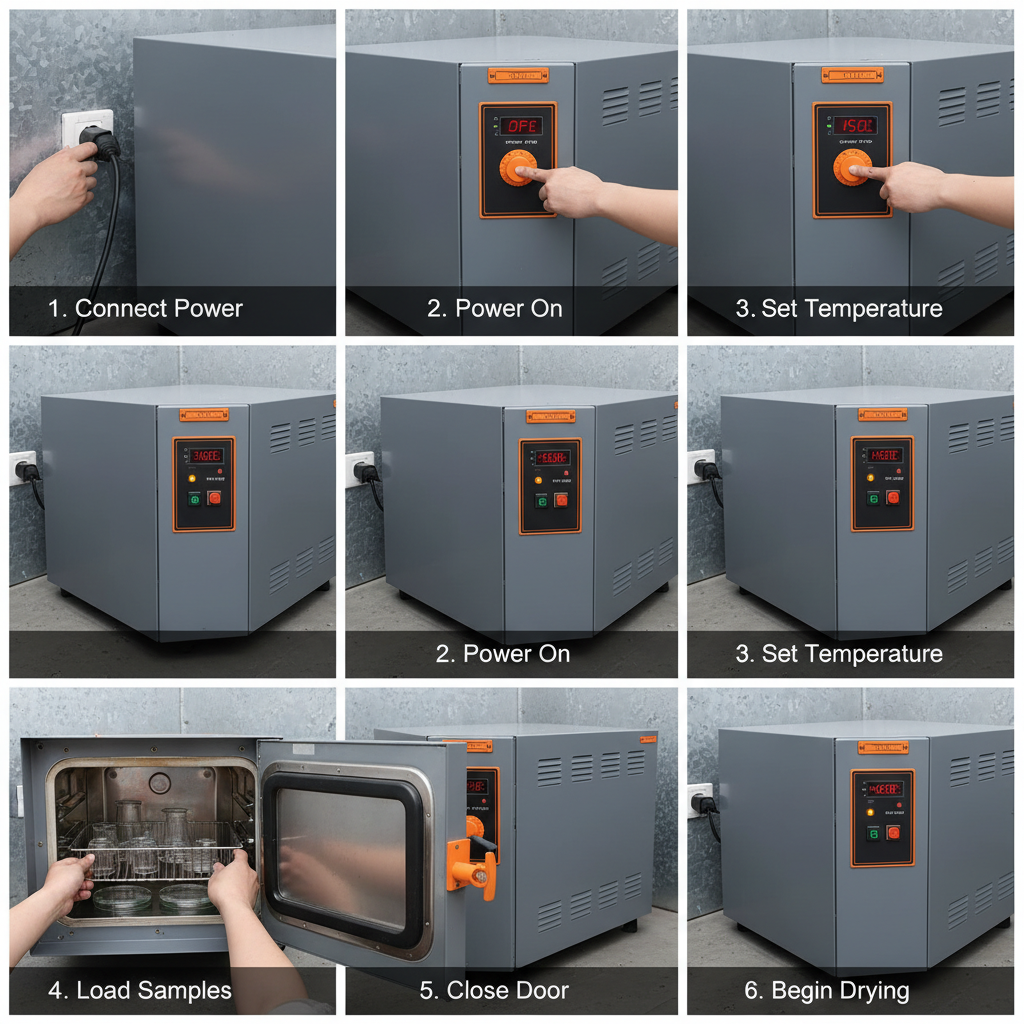
Understanding the Principles of Electric Drying Ovens
At its core, an electric drying oven utilizes heating elements to raise the temperature inside a thermally insulated chamber. The heat provides the energy necessary to vaporize liquids within the sample. Proper ventilation, often achieved through a vent or a fan-assisted circulation system, is essential to remove these vapors and prevent saturation of the oven's atmosphere. This continuous removal of moisture ensures efficient drying. Different types of heating elements, such as resistance coils, are used to generate the required temperature, and precise temperature control is vital for maintaining sample integrity and achieving reproducible results. The quality of the insulation significantly impacts energy efficiency and temperature stability.
Key Highlights: Efficient drying relies on a combination of heat, ventilation, and precise temperature control. Proper insulation minimizes energy consumption and ensures temperature uniformity.
Key Features of a Laboratory Electric Drying Oven
Modern laboratory electric drying ovens offer a wide range of features. Digital temperature controllers provide precise and consistent heating. Programmable timers allow for automated drying cycles. Many models include features like over-temperature protection, ensuring safety and preventing sample damage. Internal fans promote uniform heat distribution, crucial for consistent drying. Shelves are often adjustable to accommodate various sample sizes and configurations. The quality of the door seal is also important, minimizing heat loss and maintaining a stable internal temperature. Advanced models might include data logging capabilities for documenting drying processes.
Applications Across Industries
Laboratory electric drying ovens find applications in a diverse range of industries. In pharmaceuticals, they are used for drying drug intermediates and final products. In food science, they're employed to determine moisture content. Chemical laboratories utilize them for drying precipitates and solvents. Materials science relies on them for preparing samples for analysis. Environmental testing labs use them for analyzing soil and water samples. Forensic science applications include drying evidence for analysis. The versatility of these ovens makes them essential tools in numerous scientific and quality control processes.
Application Benefits:
• Precise moisture removal for accurate results.
• Sample preparation for various analytical techniques.
• Ensuring product quality and stability.
• Compliance with industry standards and regulations.
Laboratory Electric Drying Oven Comparison
Selecting the ideal drying oven requires careful consideration of various factors. Here’s a comparison of different types based on common criteria:
Choosing the Right Drying Oven: Key Considerations
When selecting a laboratory electric drying oven, consider the following: temperature range, volume capacity, temperature uniformity, programmable features, safety features, and budget. Ensure the oven meets the specific requirements of your application. Look for ovens with digital controllers for precise temperature management and over-temperature protection for added safety. A well-insulated chamber will minimize energy consumption and maintain a stable internal temperature. CZ Lab Instrument offers a range of ovens designed to meet diverse laboratory needs with exceptional quality and reliability.
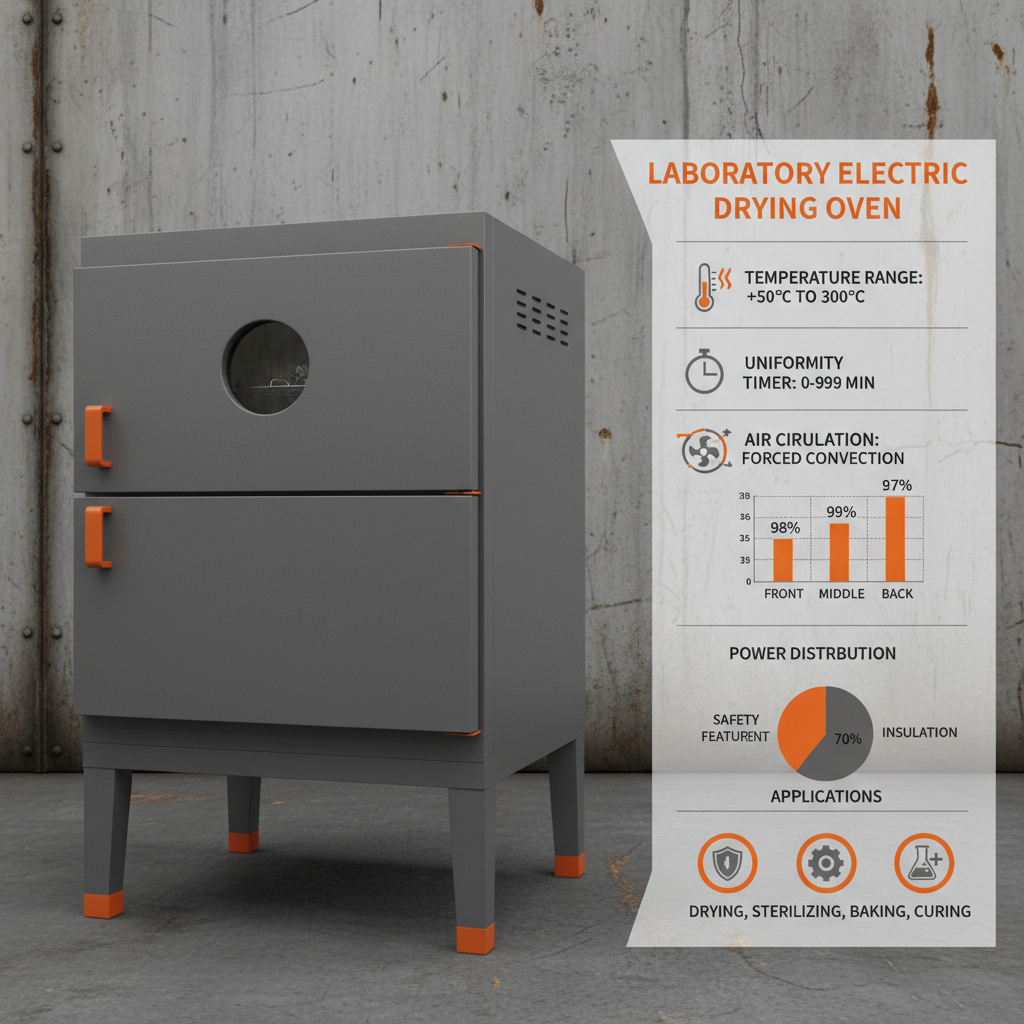
Conclusion: Investing in a Reliable Drying Oven
Investing in Quality for Consistent Results
A laboratory electric drying oven is a fundamental tool for many scientific processes. Choosing a reliable and precise oven, like those offered by CZ Lab Instrument, ensures accurate results, efficient workflows, and long-term durability. Prioritize features like digital temperature control, programmable settings, and robust safety mechanisms to maximize the value of your investment.
Frequently Asked Questions (FAQs)
What temperature range should I look for in a drying oven?
The ideal temperature range depends heavily on your application. For general drying, a range of 50°C to 250°C is often sufficient. However, if you're working with heat-sensitive materials, you'll need an oven capable of maintaining lower temperatures, potentially down to room temperature or even below. Conversely, applications requiring sterilization may necessitate ovens with maximum temperatures exceeding 300°C. Carefully consider the thermal stability of your samples when selecting an oven.
How important is temperature uniformity?
Temperature uniformity is crucial for achieving consistent drying results. Variations in temperature within the chamber can lead to uneven drying, potentially compromising sample integrity and analytical accuracy. Ovens with forced air circulation typically offer superior temperature uniformity compared to those relying on natural convection. Look for ovens that specify a tight temperature uniformity tolerance (e.g., ±1°C or less).
What safety features should I prioritize?
Safety is paramount. Essential safety features include over-temperature protection, which automatically shuts off the oven if the temperature exceeds a preset limit. A robust door seal prevents heat loss and ensures safe operation. Look for ovens with alarms to alert you to potential issues. Some models also include features like double-walled construction for added insulation and protection against external heat.
Can a vacuum oven be used for drying heat-sensitive materials?
Yes, a vacuum oven is an excellent choice for drying heat-sensitive materials. By reducing the pressure inside the chamber, a vacuum oven lowers the boiling point of liquids, allowing for drying at significantly lower temperatures. This minimizes the risk of thermal degradation or alteration of the sample. Vacuum ovens are also effective for removing solvents from samples without leaving residues.


