
Comprehensive Guide to Hot Air Circulating Drying Oven Technology and Applications
Hot Air Circulating Drying Oven: A Comprehensive Guide
The Hot Air Circulating Drying Oven is a crucial piece of equipment across various industries, from pharmaceuticals and food processing to materials science and chemical engineering. This oven utilizes a sophisticated system of heating and air circulation to efficiently and uniformly remove moisture from substances. Choosing the right oven can significantly improve process efficiency, product quality, and research outcomes. This article will explore the principles, applications, benefits, and key considerations when selecting a hot air circulating drying oven.
Understanding the Principles of Operation
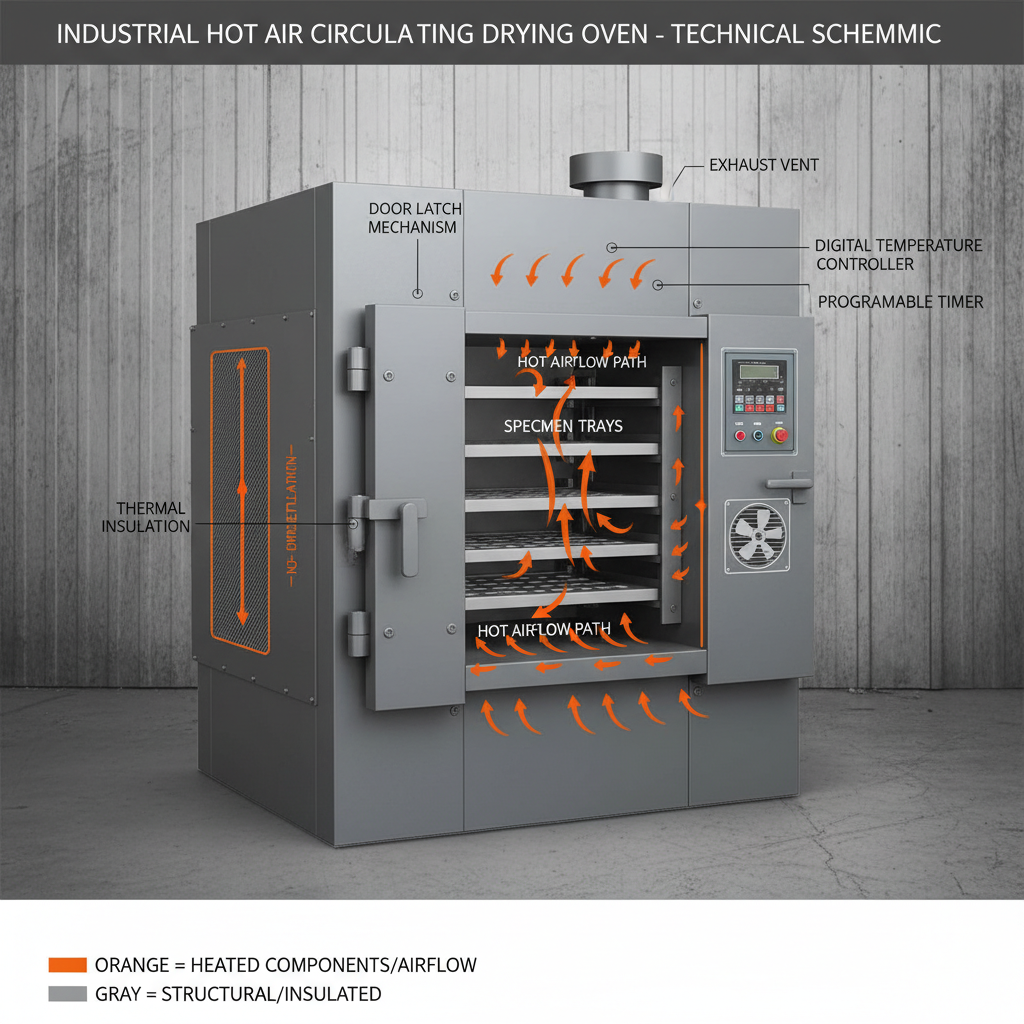
At its core, a hot air circulating drying oven operates on the principle of heat transfer. A heating element warms the air within the chamber, and a fan system distributes this heated air uniformly throughout the workspace. This forced convection ensures consistent temperature distribution, preventing hot spots and promoting even drying. The moisture evaporates from the material being dried and is then exhausted from the oven, typically through a vent or a connection to an external ventilation system. This continuous process allows for efficient and controlled moisture removal. Modern ovens often include precise temperature and humidity controls for optimal performance and reproducibility.
Key Highlights: Precise temperature and humidity controls, uniform air circulation, efficient moisture removal, and suitability for a wide range of materials.
Applications Across Industries
The versatility of a hot air circulating drying oven makes it indispensable across numerous sectors. In the pharmaceutical industry, it's used for drying granules, powders, and finished products. The food industry utilizes these ovens for drying fruits, vegetables, herbs, and spices. Materials science employs them for preparing samples for analysis and drying coatings. Chemical engineering relies on them for drying powders, crystals, and other chemical compounds. Furthermore, they are used in environmental testing, quality control laboratories, and research institutions.
Industry Applications:
• Pharmaceuticals: Drying granules, powders, and finished products
• Food Processing: Drying fruits, vegetables, herbs, and spices
• Materials Science: Sample preparation and drying coatings
• Chemical Engineering: Drying powders and chemical compounds
Hot Air Circulating Drying Oven vs. Other Drying Methods
Compared to other drying methods like vacuum drying, freeze-drying, or spray drying, hot air circulating drying offers a balance of cost-effectiveness, simplicity, and efficiency. Vacuum drying is more expensive and complex, while freeze-drying is best suited for heat-sensitive materials. Spray drying is ideal for liquid feedstocks but may not be suitable for all materials. Hot air circulation offers a gentler drying process than some alternatives, preserving the integrity of the dried substance. The controlled temperature and air circulation provide a consistent and reliable drying process.
Key Features to Consider When Selecting an Oven
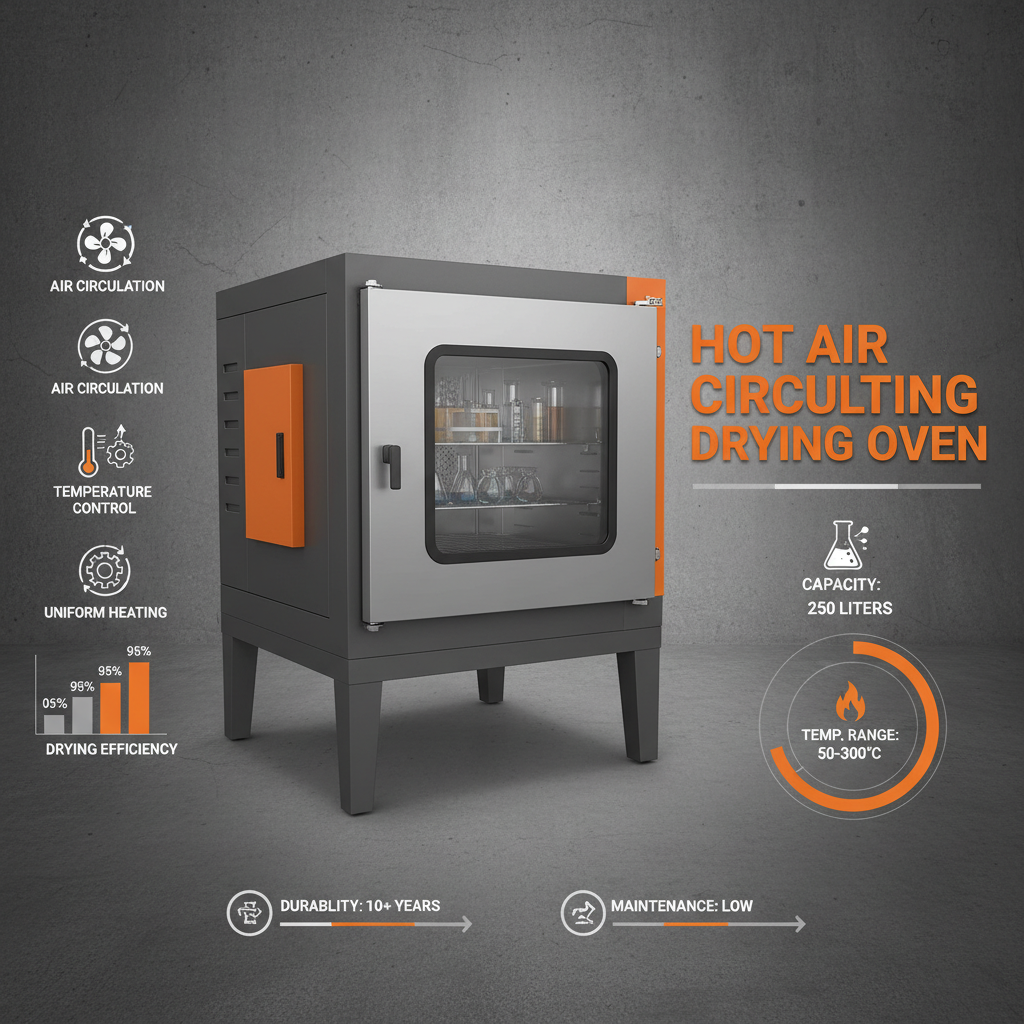
When choosing a hot air circulating drying oven, several factors should be considered. These include chamber volume, temperature range, temperature accuracy, air circulation system, control system (digital vs. analog), and materials of construction. Also crucial are safety features like over-temperature protection and door interlocks. Consider the size and type of materials you will be drying to determine the appropriate chamber volume. The temperature range should align with the drying requirements of your materials. Ultimately, selecting an oven that meets your specific needs will ensure optimal performance and longevity.
CZLab Instrument: Your Partner in Drying Solutions
At CZLab Instrument, we offer a comprehensive range of high-quality hot air circulating drying ovens designed to meet the diverse needs of various industries. Our ovens are engineered for precision, reliability, and efficiency, ensuring optimal performance and consistent results. We provide customized solutions and expert support to help you select the perfect oven for your application. Contact us today to learn more about our products and services.
Conclusion: Invest in Quality and Efficiency
Investing in a hot air circulating drying oven from CZLab Instrument is a step towards optimized processes, enhanced product quality, and reliable research outcomes. Our commitment to innovation and customer satisfaction ensures you receive a solution tailored to your specific requirements.
Frequently Asked Questions (FAQs)
What types of materials can be dried in a hot air circulating oven?
A wide variety of materials can be effectively dried using a hot air circulating oven. This includes powders, granules, crystals, liquids (in thin films), pastes, and even some solid materials. Common applications include drying pharmaceuticals, food products, chemicals, polymers, and electronic components. The suitability of a material depends on its thermal stability and moisture content. It’s vital to ensure the drying temperature doesn't damage the material. For heat-sensitive materials, precise temperature control is essential.
How do I determine the optimal drying temperature?
Determining the optimal drying temperature involves considering the material's properties, its initial moisture content, and its desired final moisture content. Start with a lower temperature to prevent degradation and gradually increase it until a reasonable drying rate is achieved. It’s also crucial to avoid temperatures that could cause thermal decomposition or alter the material's characteristics. Running a small-scale test batch is recommended to fine-tune the temperature and drying time.
What safety features should I look for in a hot air circulating oven?
Key safety features include over-temperature protection, which automatically shuts off the heating element if the temperature exceeds a set limit; door interlocks, which prevent the oven from operating when the door is open; and a robust construction with proper grounding. Additionally, look for models with alarms that alert you to any malfunctions. Ensuring these safety features are in place protects both the operator and the equipment.


