
Comprehensive Guide to Electric Drying Ovens for Scientific and Industrial Use
Electric Drying Oven: A Comprehensive Guide
An electric drying oven is a crucial piece of equipment across numerous scientific and industrial applications. From material research to quality control, these ovens provide a controlled environment for removing moisture and other volatile substances from samples. This article will delve into the principles, types, applications, and key considerations when selecting an electric drying oven, helping you make an informed decision. Understanding the nuances of these ovens is essential for ensuring accurate results and efficient laboratory operations.
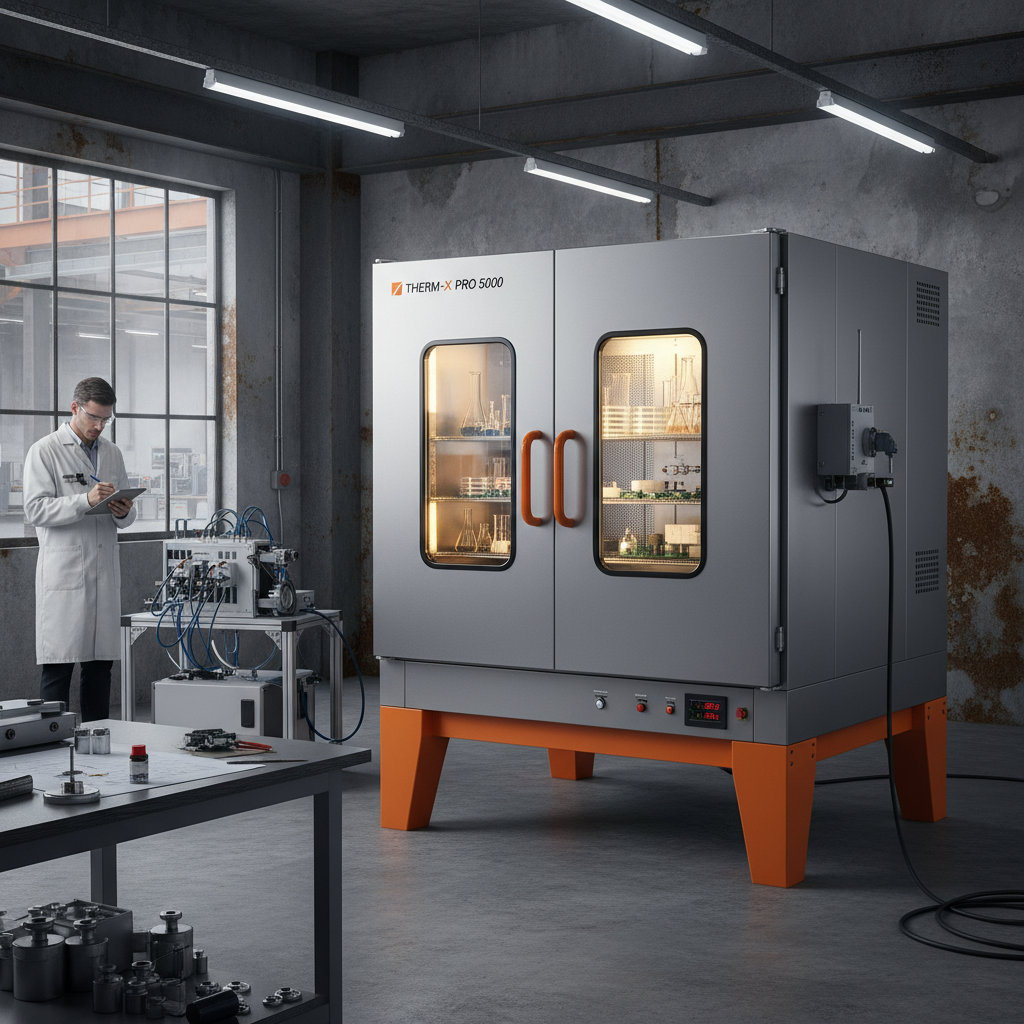
How Electric Drying Ovens Work
At its core, an electric drying oven utilizes heated air to accelerate the evaporation of liquids from a sample. The process relies on applying controlled heat to increase the vapor pressure of the substance to be removed. This vapor then diffuses away from the sample, typically assisted by air circulation within the chamber. Precise temperature control is paramount, as excessive heat can degrade the sample, while insufficient heat may lead to incomplete drying. Modern electric drying ovens often incorporate features like programmable temperature ramps, forced-air convection, and inert gas purging to optimize the drying process and protect sensitive materials.
Key Principles: Controlled heat application, vapor pressure increase, diffusion of volatile substances, and often, air circulation to expedite the process.
Types of Electric Drying Ovens
Several types of electric drying ovens cater to specific needs. Conventional ovens rely on natural convection, offering gentle and uniform heating, ideal for heat-sensitive materials. Forced-air ovens utilize a fan to circulate air, providing faster and more consistent drying. Vacuum ovens operate under reduced pressure, lowering the boiling point of liquids and enabling drying at lower temperatures, crucial for thermally labile substances. Inert gas ovens replace air with an inert gas like nitrogen or argon to prevent oxidation during drying. Selecting the appropriate type depends on the sample's characteristics and the desired drying outcome.
Oven Type Comparison:
• Conventional: Gentle heating, natural convection.
• Forced-Air: Faster drying, consistent heating.
• Vacuum: Low-temperature drying, prevents oxidation.
• Inert Gas: Oxidation prevention, ideal for sensitive samples.
Key Considerations When Selecting an Electric Drying Oven
Choosing the right electric drying oven requires careful consideration of several factors. Temperature range and accuracy are crucial, depending on the sample's thermal stability and the desired drying conditions. Chamber size and material should accommodate the sample volume and be compatible with the substances being dried. Control system features, such as programmable ramps and timers, enhance precision and reproducibility. Furthermore, consider safety features like over-temperature protection and door interlocks. Finally, the manufacturer's reputation and support are essential for long-term reliability and assistance.
Applications of Electric Drying Ovens
The versatility of electric drying ovens extends to a wide range of applications. In the pharmaceutical industry, they are used for drying drug formulations and excipients. In food processing, they ensure consistent moisture content in products. Material science utilizes them for preparing samples for analysis and removing solvents. Chemical laboratories rely on them for drying glassware and reagents. Quality control labs employ them for determining moisture content in various materials. From basic research to industrial production, these ovens play a critical role in numerous processes.
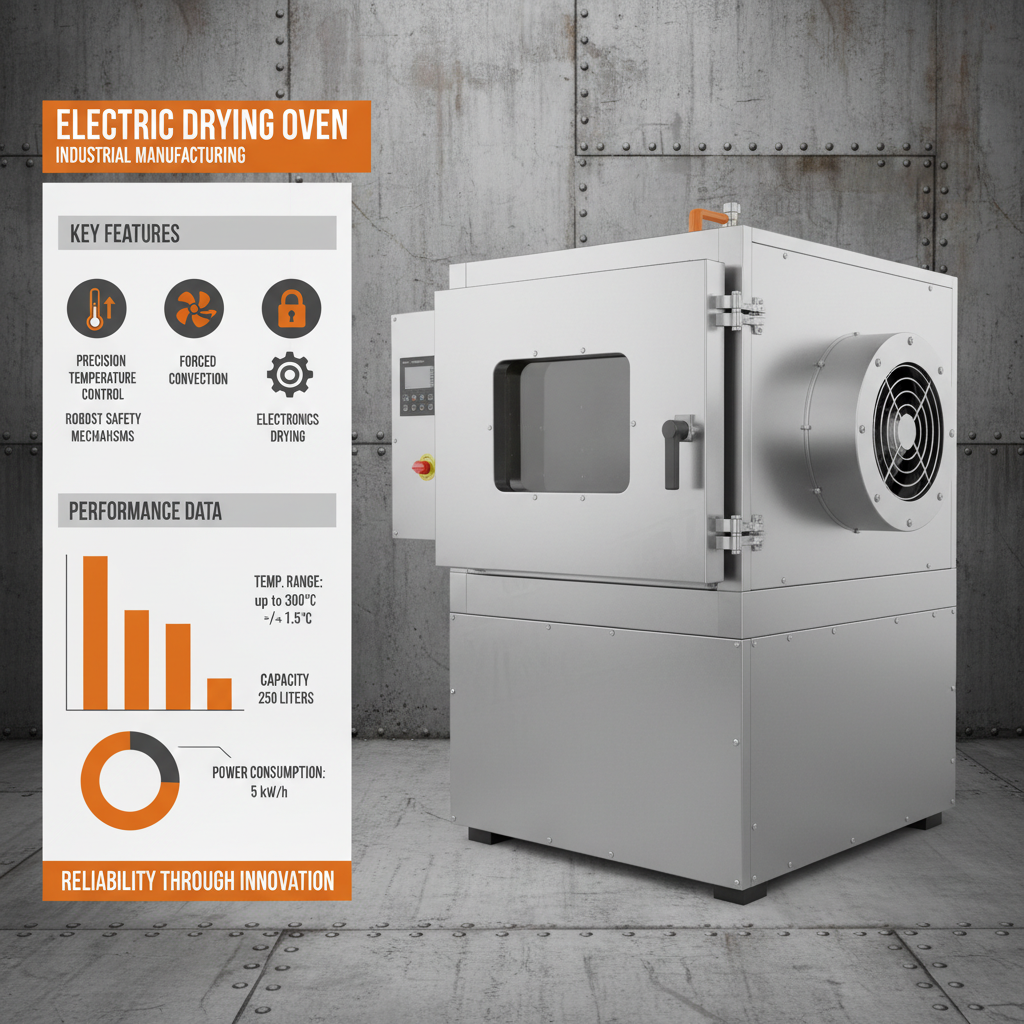
Electric Drying Oven Specifications: A Sample Overview
Below is a representative example of specifications you might find on a typical electric drying oven:
Conclusion: Choosing the Right Electric Drying Oven
Selecting the appropriate electric drying oven is a critical decision for any laboratory or industrial setting. By considering the factors outlined in this guide – from oven type and specifications to application requirements – you can ensure you choose an oven that delivers accurate, reliable, and safe drying results. For a wide range of high-quality electric drying ovens and expert advice, explore the offerings at CZ Lab Instrument.
Frequently Asked Questions (FAQs)
What are the key safety features to look for in an electric drying oven?
Prioritize safety features like over-temperature protection, which automatically shuts off the oven if the set temperature is exceeded, preventing sample degradation or fire hazards. Door interlocks prevent operation when the door is open, minimizing heat loss and potential exposure. A robust thermal insulation system is also crucial to maintain temperature stability and protect users from external heat. Look for ovens with certifications from recognized safety standards organizations.
How do I maintain an electric drying oven for optimal performance?
Regular cleaning is essential to remove residue and maintain hygiene. Wipe down the chamber and shelves after each use. Periodically check the door seal for damage and replace if necessary. Ensure proper ventilation around the oven to prevent overheating. Calibrate the temperature sensors regularly to maintain accuracy. Consult the manufacturer's manual for specific maintenance recommendations.
What is the benefit of using a vacuum oven over a conventional electric drying oven?
Vacuum ovens offer several advantages, especially when dealing with heat-sensitive materials. By reducing the pressure inside the chamber, the boiling point of liquids is lowered, allowing for drying at significantly lower temperatures. This minimizes the risk of thermal degradation. Vacuum ovens also excel at drying materials with low volatility and are effective at removing solvents. They're ideal for applications requiring gentle and precise drying.
How does air circulation affect the drying process in an electric oven?
Air circulation, especially in forced-air ovens, significantly accelerates the drying process. It ensures consistent temperature distribution throughout the chamber, eliminating hot spots and cold spots. The moving air removes moisture-laden air from around the sample, promoting faster evaporation. This results in more uniform drying and reduced drying times compared to conventional ovens relying on natural convection.


