
Comprehensive Guide to Laboratory Electrical Muffle Furnace Applications and Safety
Laboratory Electrical Muffle Furnace: A Comprehensive Guide
A laboratory electrical muffle furnace is a crucial piece of equipment in many scientific and industrial settings. Used for high-temperature applications like materials science, chemical analysis, and heat treatment, understanding its capabilities, applications, and proper usage is essential. This article provides an in-depth look at muffle furnaces, focusing on their function, types, applications, safety considerations, and why CZ Lab Instrument offers reliable and innovative solutions. Investing in the right muffle furnace can significantly enhance research and production processes.
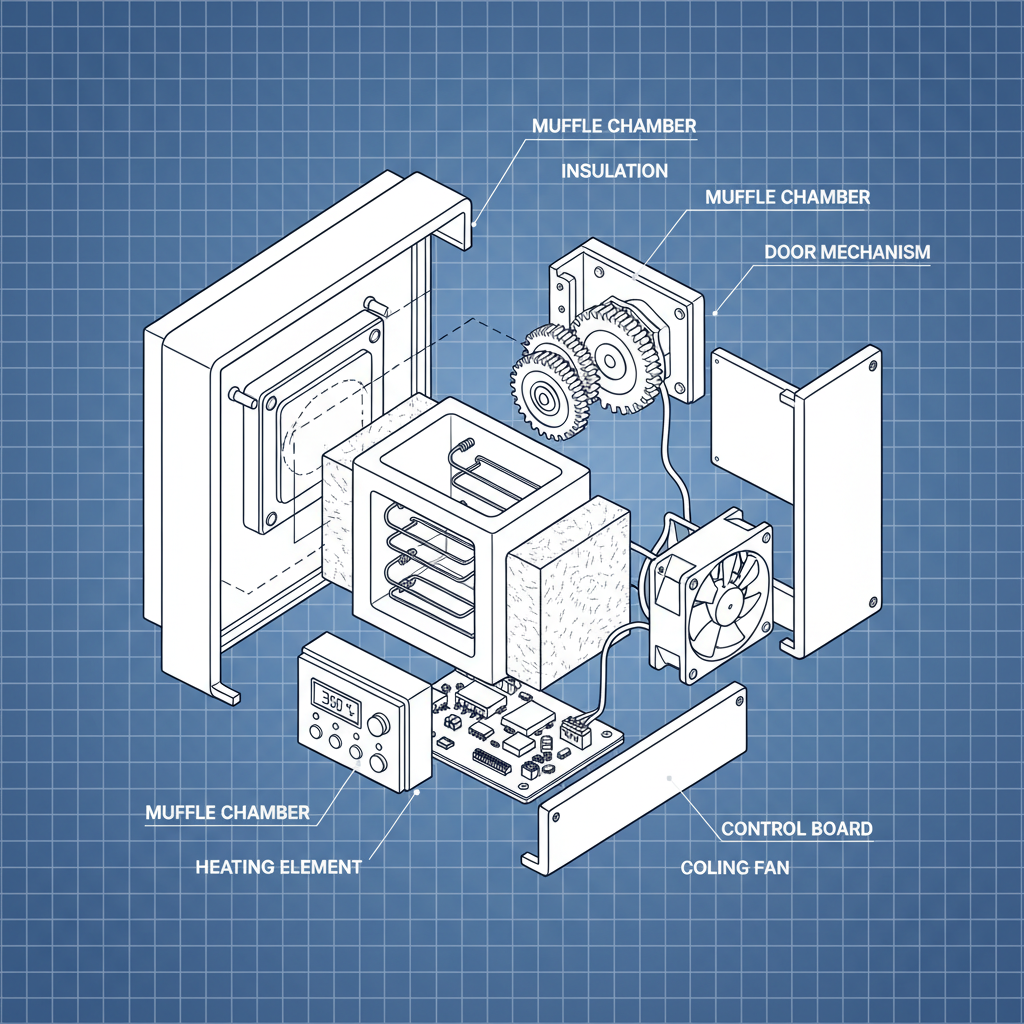
Understanding the Core Function of a Muffle Furnace
At its core, a muffle furnace is designed to provide a controlled, high-temperature environment. Unlike direct-heating furnaces, muffle furnaces feature a chamber separated from the heating elements. This design prevents direct contact between the sample and the heating source, minimizing contamination and ensuring a more uniform temperature distribution. The furnace typically uses resistive heating elements, like silicon carbide or nichrome wire, to generate temperatures ranging from 300°C to 1700°C (and beyond in specialized models). This controlled heating is vital for precise material processing and analysis.
Key Benefit: The insulation provided by the furnace chamber protects samples from atmospheric contamination, making it ideal for processes requiring inert or controlled atmospheres.
Key Applications of Laboratory Electrical Muffle Furnaces
Muffle furnaces are indispensable across a wide spectrum of industries. In materials science, they’re used for sintering ceramics, calcining materials, and heat-treating metals. Chemical laboratories utilize them for ashing organic matter in sample preparation, determining moisture content, and performing high-temperature reactions. Pharmaceutical companies employ muffle furnaces for quality control and synthesis processes. Geological and environmental scientists rely on them for analyzing mineral composition and determining volatile matter. Finally, in the electronics industry, they’re crucial for annealing and forming processes. CZ Lab Instrument offers models tailored to these diverse applications.
Common Applications:
• Ashening organic matter
• Sintering ceramics
• Heat treating metals
• Calcination of materials
Laboratory Electrical Muffle Furnace Types and Specifications
Muffle furnaces come in various configurations to suit specific needs. These include:
- Box Furnaces: The most common type, offering large chamber volumes and uniform temperature distribution.
- Tube Furnaces: Designed for processing samples in a tube, ideal for gas flow applications.
- Split Tube Furnaces: Similar to tube furnaces but can be opened for easy sample loading and unloading.
- Vertical Furnaces: Used for applications requiring bottom loading and unloading, often used with crucibles.
Choosing the right furnace depends on sample size, required temperature, and specific application requirements.
Ensuring Safety When Operating a Muffle Furnace
Safety is paramount when working with high-temperature equipment. Always wear appropriate personal protective equipment (PPE), including heat-resistant gloves, safety glasses, and a lab coat. Ensure adequate ventilation to prevent the buildup of fumes. Never open the furnace while it's hot. Allow it to cool down completely before handling samples or performing maintenance. Be mindful of the materials being heated, as some may release hazardous gases. Consult the furnace manual and safety data sheets (SDS) for specific guidance. CZ Lab Instrument furnaces incorporate several safety features, including over-temperature protection and door interlocks.
Why Choose CZ Lab Instrument for Your Muffle Furnace Needs?
CZ Lab Instrument is a leading provider of high-quality laboratory equipment, including a comprehensive range of muffle furnaces. We are committed to innovation, reliability, and customer satisfaction. Our furnaces are built with durable materials, advanced control systems, and robust safety features. We offer customized solutions to meet your specific requirements and provide exceptional technical support. Partnering with us ensures you receive a dependable and efficient muffle furnace that will enhance your research and development efforts.
Conclusion: Investing in Quality and Reliability
Choosing the right laboratory electrical muffle furnace is critical for achieving accurate and reliable results. CZ Lab Instrument provides innovative solutions designed to meet the diverse needs of researchers and industrial professionals. With our commitment to quality, safety, and customer support, you can be confident in your investment.
Frequently Asked Questions (FAQs)
What atmosphere can be used in a muffle furnace?
Muffle furnaces can operate in various atmospheres. While many are used in air, they can also be used with inert gases like nitrogen or argon to prevent oxidation during high-temperature processes. Some models are designed for vacuum operation, providing a highly controlled environment. The choice of atmosphere depends on the specific application and the materials being processed. CZ Lab Instrument offers furnaces compatible with a range of atmospheric conditions.
How do I determine the appropriate furnace size for my samples?
Consider the dimensions and quantity of samples you plan to process. The furnace chamber should be large enough to accommodate all samples without overcrowding. Overcrowding can lead to uneven heating and inaccurate results. It's also essential to account for the crucible or sample holder you'll be using. We at CZ Lab Instrument can help you determine the optimal furnace size based on your specific needs.
What is the typical temperature ramp-up rate for a muffle furnace?
The temperature ramp-up rate varies depending on the furnace model and the materials being heated. A typical ramp-up rate is between 5°C to 10°C per minute. Faster ramp-up rates can cause thermal shock and damage to the furnace or samples. Slower rates are often used for delicate materials or when precise temperature control is critical. CZ Lab Instrument furnaces offer programmable ramp-up rates for optimal control.
How often should I calibrate my muffle furnace?
It is recommended to calibrate your muffle furnace at least once a year, or more frequently if it is used heavily or for critical applications. Calibration ensures the temperature readings are accurate and reliable. CZ Lab Instrument provides calibration services to maintain the accuracy of your furnace and comply with quality control standards. Regular calibration safeguards the integrity of your experiments and processes.


