
Comprehensive Guide to Electrical Resistance Furnace Technology and Applications
Electrical Resistance Furnace: A Comprehensive Guide
An electrical resistance furnace is a crucial piece of equipment in various industrial and laboratory settings. Used for precise heating and heat treatment processes, these furnaces offer controlled temperature environments for materials processing, testing, and research. This article provides an in-depth look at electrical resistance furnaces, covering their principles, types, applications, key considerations, and how CZ Lab Instrument delivers high-quality solutions. Understanding the nuances of these furnaces is vital for optimizing your processes and achieving reliable results.
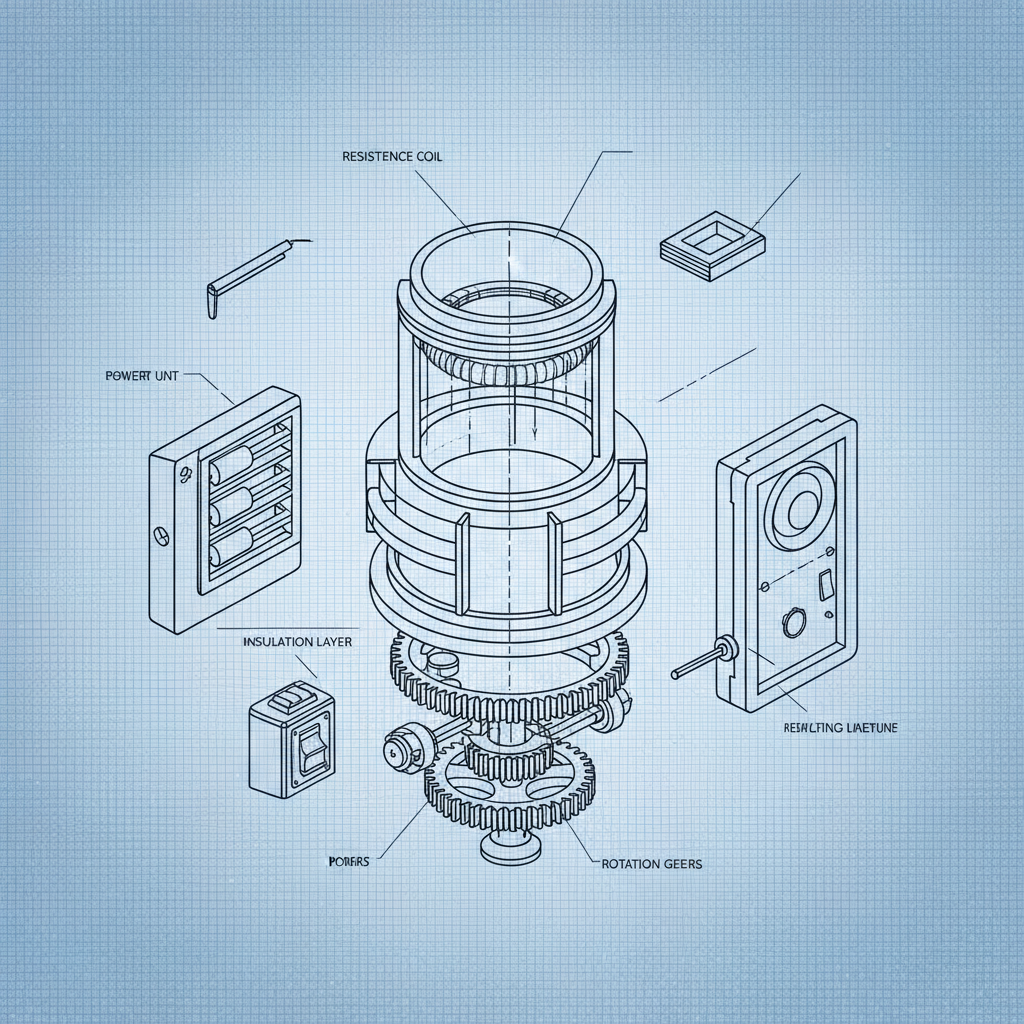
How Electrical Resistance Furnaces Work
The operating principle behind an electrical resistance furnace is relatively straightforward. Electric current is passed through a high-resistance heating element, typically made of materials like Nichrome, Kanthal, or silicon carbide. As the current flows, the element resists the flow, generating heat. The amount of heat generated is directly proportional to the resistance and the square of the current (Joule's Law: Q = I²Rt, where Q is heat, I is current, R is resistance, and t is time). This heat is then transferred to the chamber where the materials are being processed. Precise temperature control is achieved by regulating the amount of electric current flowing through the heating element using sophisticated controllers and thermocouples. CZ Lab Instrument’s furnaces utilize advanced control systems for optimal temperature accuracy.
Key Highlights: Precise temperature control, reliable heat generation, and compatibility with various materials. Electrical resistance furnaces are known for their efficiency and relatively low cost.
Types of Electrical Resistance Furnaces
Electrical resistance furnaces come in various types, each designed for specific applications. Common types include: Box furnaces (general-purpose heating), Tube furnaces (high-temperature processes, atmosphere control), and High-temperature furnaces (specialized applications requiring extremely high temperatures). The choice of furnace depends on factors like the maximum temperature required, the size and shape of the materials being processed, and the desired atmosphere within the chamber. CZ Lab Instrument offers a broad spectrum of these types to meet diverse customer needs.
Furnace Type Comparison:
• Box Furnace: Versatile, suitable for a wide range of applications.
• Tube Furnace: Excellent atmosphere control, ideal for specialized heating.
• High-Temperature Furnace: Reaches extremely high temperatures for advanced materials processing.
Electrical Resistance Furnace Applications
These furnaces are indispensable across numerous industries. Common applications include heat treating of metals (hardening, tempering, annealing), ceramic sintering, materials research, drying processes, and laboratory experiments. They are utilized in aerospace, automotive, electronics, materials science, and chemical industries. The ability to control temperature and atmosphere precisely makes them essential for producing high-quality materials with desired properties. CZ Lab Instrument furnaces cater to these diverse applications with customizable options.
Key Considerations When Choosing an Electrical Resistance Furnace
Selecting the right electrical resistance furnace requires careful consideration of several factors. Maximum temperature, chamber volume, heating element material, atmosphere control, and temperature uniformity are all crucial aspects. Also consider the control system's accuracy and features, such as programmable profiles and data logging. Safety features like over-temperature protection and door interlocks are also essential. CZ Lab Instrument provides expert guidance to help you select the optimal furnace for your specific application.
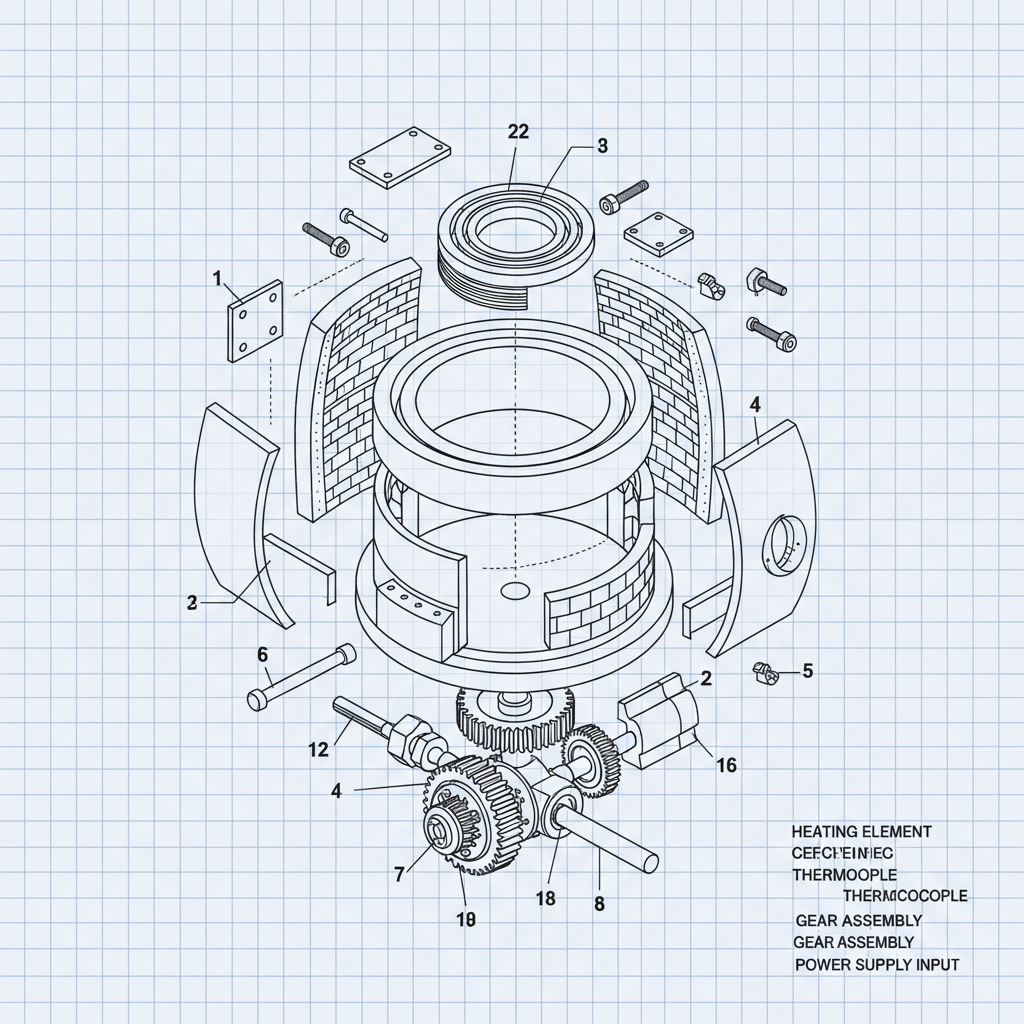
CZ Lab Instrument: Your Trusted Furnace Partner
At CZ Lab Instrument, we are dedicated to providing high-quality, reliable, and innovative electrical resistance furnaces. We offer a wide range of models to meet diverse needs, coupled with exceptional customer support and technical expertise. Our furnaces are engineered for precision, efficiency, and longevity, ensuring years of dependable performance. We are committed to delivering solutions that empower our customers to achieve their research and production goals.
Conclusion: Powering Your Processes with Quality Furnaces
Investing in a high-performance electrical resistance furnace from CZ Lab Instrument is a strategic decision that will enhance your operational capabilities. With precision control, durability, and a commitment to customer satisfaction, we are your trusted partner in heat treatment solutions.
Frequently Asked Questions (FAQs)
What is the typical lifespan of an electrical resistance furnace?
The lifespan of an electrical resistance furnace can vary significantly depending on usage frequency, operating temperatures, and maintenance practices. However, with proper care and maintenance, a well-built furnace can reliably operate for 10-20 years. Key factors influencing lifespan include the quality of the heating elements, the robustness of the insulation, and the effectiveness of the temperature control system. Regular inspections, cleaning, and replacement of worn components are crucial for maximizing longevity. CZ Lab Instrument offers comprehensive maintenance services to extend the life of your furnace.
What safety features should I look for in an electrical resistance furnace?
Safety is paramount when operating a high-temperature furnace. Essential safety features include over-temperature protection (to prevent runaway heating), door interlocks (to automatically shut off power when the door is opened), and proper grounding. Additionally, look for features like double-shell construction for reduced exterior surface temperature and warning indicators for potential issues. CZ Lab Instrument furnaces are designed with multiple layers of safety protection to ensure operator safety.
Can electrical resistance furnaces operate with different atmospheres?
Yes, many electrical resistance furnaces can be designed to operate with controlled atmospheres. This is achieved by sealing the chamber and introducing a specific gas, such as nitrogen, argon, or hydrogen. Atmosphere control is crucial for preventing oxidation, promoting specific chemical reactions, or achieving desired material properties. Tube furnaces are particularly well-suited for atmosphere control applications. CZ Lab Instrument offers furnaces with customizable atmosphere control options.
How important is temperature uniformity in an electrical resistance furnace?
Temperature uniformity is critical, especially in applications where consistent results are required. Non-uniform temperature distribution can lead to variations in material properties or inconsistent processing. Factors influencing temperature uniformity include the heating element design, chamber geometry, and insulation quality. CZ Lab Instrument furnaces are engineered with advanced heating element configurations and high-quality insulation to ensure excellent temperature uniformity throughout the chamber.


