
Comprehensive Guide to Tube Type Resistance Furnace Technology and Applications
Understanding Tube Type Resistance Furnace Technology
Tube type resistance furnaces are vital tools in material science, heat treatment, and various industrial processes. These furnaces utilize resistive heating elements enclosed within a tube to achieve precise temperature control and uniform heating. This article explores the principles, applications, advantages, and considerations for selecting a tube type resistance furnace, providing a comprehensive overview for researchers and professionals. Choosing the right furnace is crucial for ensuring the quality and reliability of your thermal processes.

How Tube Type Resistance Furnaces Work
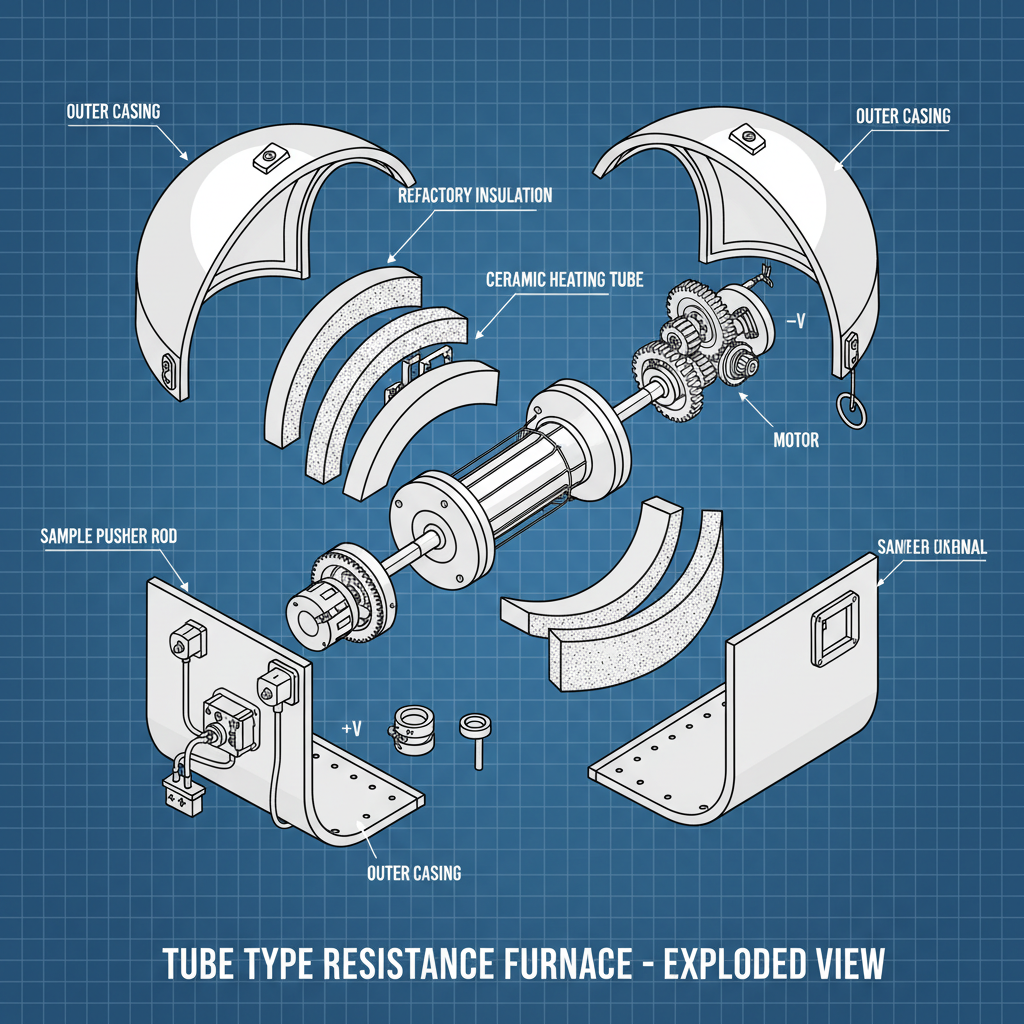
The core principle behind a tube type resistance furnace is the conversion of electrical energy into heat. Current is passed through high-resistance heating elements, typically made of materials like Nichrome or Silicon Carbide (SiC). These elements are housed within a ceramic tube, which provides electrical insulation and a contained heating chamber. The heat generated is then transferred to the sample material through radiation, convection, and conduction. Precise temperature control is achieved using thermocouples and sophisticated control algorithms, often implemented with PID controllers. CZ Lab Instrument provides furnaces with advanced temperature programming capabilities.
Key Highlights: Utilizing resistive heating elements within a ceramic tube for precise temperature control and uniform heating, ideal for various material processing applications.
Applications of Tube Type Resistance Furnaces
Tube type resistance furnaces find widespread use across numerous industries and research fields. Some common applications include: sintering ceramics, heat treating metals, annealing materials, growing crystals, chemical vapor deposition (CVD), and materials testing. They are particularly well-suited for processes requiring controlled atmospheres, as the tube can be easily sealed and purged with various gases. Their versatility and precision make them an indispensable tool for material scientists, engineers, and researchers. Specific applications also include drying, calcination, and even some types of elemental analysis.
Common Applications:
• Sintering Ceramics
• Heat Treating Metals
• Annealing Materials
• Chemical Vapor Deposition (CVD)
Tube Type Resistance Furnace: Key Features & Specifications
When selecting a tube type resistance furnace, consider these important features and specifications:
Advantages of Using a Tube Type Resistance Furnace
Compared to other furnace types, tube type resistance furnaces offer several benefits. They provide excellent temperature uniformity, making them ideal for sensitive applications. Their enclosed tube design allows for controlled atmospheres, preventing oxidation or contamination of the sample material. They are relatively compact and energy-efficient. Furthermore, the modular design allows for easy maintenance and replacement of heating elements. CZ Lab Instrument furnaces are designed for reliability and long-term performance.
Selecting the Right Tube Type Resistance Furnace
Choosing the appropriate furnace requires careful consideration of your specific application. Factors to consider include the maximum required temperature, the sample size and shape, the desired atmosphere, and the level of temperature control needed. Consider the tube material (quartz, alumina, etc.) based on compatibility with your materials and process temperatures. Also, ensure the furnace meets relevant safety standards and certifications. CZ Lab Instrument offers customized furnace solutions to meet unique application requirements.
Conclusion: Investing in a Reliable Tube Type Resistance Furnace
Investing in a high-quality tube type resistance furnace is a crucial step for achieving accurate and reliable results in material processing and research. By carefully considering your application requirements and selecting a furnace from a reputable manufacturer like CZ Lab Instrument, you can ensure optimal performance, longevity, and safety. Don’t compromise on quality – choose a furnace that will meet your needs for years to come.
Frequently Asked Questions (FAQs)
What tube materials are commonly used in resistance furnaces?
Common tube materials include quartz, alumina, and ceramic. Quartz is often used for its high-temperature resistance and chemical inertness, but it’s sensitive to thermal shock. Alumina provides excellent chemical resistance and high-temperature stability. The best choice depends on the materials being processed and the operating temperature. CZ Lab Instrument offers furnaces with a variety of tube materials to suit different applications.
What is the importance of atmosphere control in a tube furnace?
Atmosphere control is critical for preventing oxidation, contamination, or unwanted reactions during heating. Purging the tube with an inert gas like argon or nitrogen can create a protective environment. Controlled atmospheres are vital for sintering ceramics, growing crystals, and performing CVD processes. CZ Lab Instrument furnaces offer provisions for gas inlet/outlet for precise atmosphere control.
How do I ensure the longevity of my tube furnace?
Regular maintenance is essential. This includes periodically inspecting the heating elements, tube, and control system. Avoid rapid heating and cooling cycles to minimize thermal stress. Ensure proper ventilation and keep the furnace clean. Following the manufacturer’s guidelines for operation and maintenance will significantly extend the furnace's lifespan.
What safety precautions should be taken when operating a tube furnace?
Always wear appropriate personal protective equipment (PPE), including heat-resistant gloves and safety glasses. Ensure the furnace is properly ventilated. Avoid touching hot surfaces. Be aware of the potential hazards associated with the materials being processed and the gases being used. Follow all safety guidelines provided by the manufacturer and your organization.


