
Comprehensive Guide to Laboratory Hot Air Drying Oven Selection and Application
Laboratory Hot Air Drying Oven: A Comprehensive Guide
A Laboratory Hot Air Drying Oven is an indispensable piece of equipment in numerous scientific and industrial settings. Used for precise and controlled heating, these ovens facilitate the removal of liquids or moisture from samples, ensuring reliable results in research, quality control, and material testing. This article will delve into the core functionalities, applications, key features, factors to consider when purchasing, and advancements in hot air drying ovens, providing a comprehensive understanding for potential buyers and users.
Core Functionalities and Applications
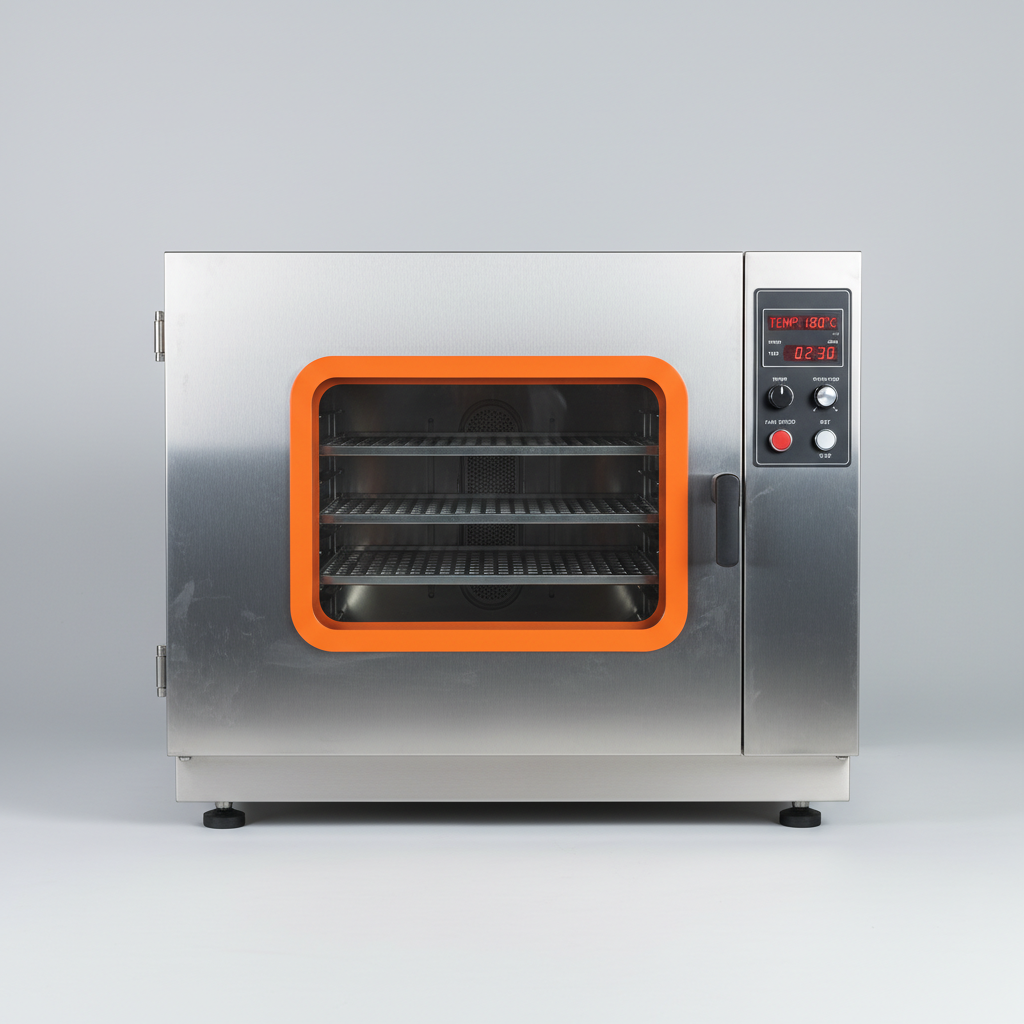
At its core, a laboratory hot air drying oven functions by circulating heated air around the samples placed inside. This process gently evaporates liquids, leaving behind a dried residue. The temperature is precisely controlled, allowing for specific drying protocols tailored to the material being processed. Applications are widespread, including drying glassware and lab equipment, removing solvents after chemical reactions, determining moisture content in solids, preparing samples for further analysis, and heat-treating materials. The consistent and reliable performance of a drying oven is critical to maintaining experimental accuracy.
Key Benefits: Precise temperature control, even heat distribution, efficient drying, versatile applications across various scientific disciplines.
Key Features to Consider in a Laboratory Hot Air Drying Oven
When selecting a hot air drying oven, several key features should be considered. Temperature range and accuracy are paramount, ensuring the oven can meet the specific drying requirements of your samples. Uniformity of temperature distribution within the chamber is also crucial for consistent results. Features like programmable temperature controllers, digital displays, and timers offer greater control and convenience. Internal shelving configurations, chamber size, and materials (typically stainless steel) contribute to usability and durability. Safety features, such as over-temperature protection and door interlocks, are essential for safe operation.
Essential Features:
• Precise Temperature Control
• Uniform Heat Distribution
• Programmable Controllers
• Safety Mechanisms (Over-temperature Protection)
Laboratory Hot Air Drying Oven Comparison: Forced Convection vs. Natural Convection
A key distinction among laboratory drying ovens lies in the method of heat transfer: forced convection and natural convection. Natural convection ovens rely on air circulation due to temperature differences, resulting in slower and less uniform drying. Forced convection ovens, however, utilize a fan to actively circulate the heated air, resulting in faster, more uniform drying and better temperature control. The choice depends on the application; for sensitive samples or where precise temperature control is crucial, a forced convection oven is generally preferred.
Factors Influencing Purchase Decisions
Beyond the core features, consider the chamber size to accommodate your typical sample volume. The material of construction (stainless steel is highly recommended for corrosion resistance) is also crucial. Digital controls and data logging capabilities can streamline processes and ensure traceability. Finally, evaluate the manufacturer's reputation for quality, reliability, and customer support. CZLabInstrument provides a range of drying ovens tailored to diverse laboratory needs.
Advancements in Laboratory Hot Air Drying Oven Technology
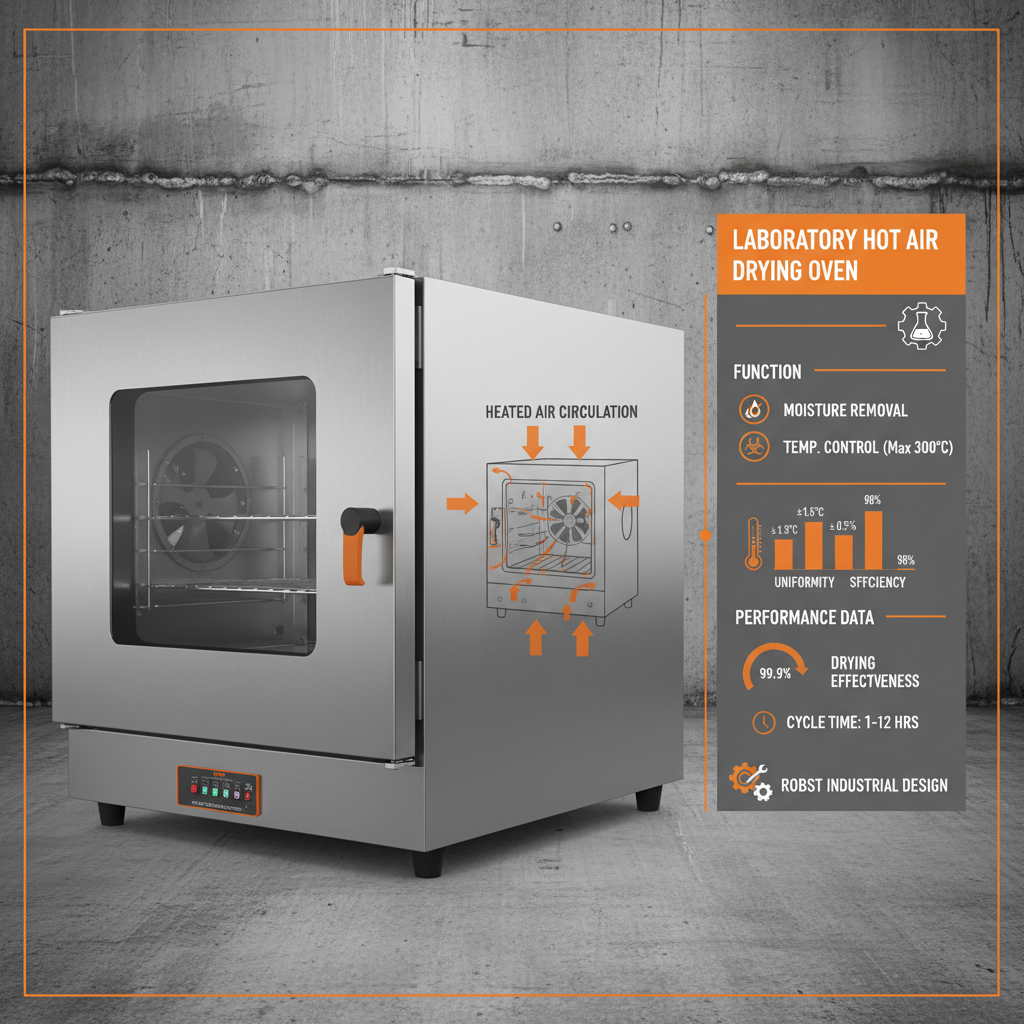
Modern laboratory hot air drying ovens are increasingly incorporating advanced technologies. These include enhanced insulation materials for improved energy efficiency, sophisticated PID temperature controllers for precise and stable temperatures, and intuitive touchscreen interfaces for easy operation. Remote monitoring and control via software are becoming standard, allowing for convenient operation and data collection. Furthermore, some models offer vacuum capabilities for drying heat-sensitive materials at lower temperatures.
Conclusion: Choosing the Right Drying Oven for Your Needs
Selecting the appropriate laboratory hot air drying oven is a critical decision that impacts the accuracy, efficiency, and safety of your work. Carefully consider your specific application requirements, budget, and desired features. CZLabInstrument offers a comprehensive range of high-quality drying ovens to meet diverse laboratory needs. Investing in a reliable and well-equipped drying oven ensures consistent results and a productive laboratory environment.
Frequently Asked Questions (FAQs)
What temperature range should I look for in a drying oven?
The ideal temperature range depends entirely on the materials you'll be drying. Most laboratory applications fall between 50°C and 200°C, but some may require higher temperatures. It’s important to choose an oven with a range that comfortably exceeds your maximum required temperature, allowing for flexibility. Also, consider the accuracy and uniformity of the temperature control within the specified range. CZLabInstrument offers models with customizable temperature profiles to suit a wide range of drying needs.
How often should I calibrate my drying oven?
Regular calibration is vital to ensure the accuracy of your drying process. Most laboratories calibrate their drying ovens at least annually, or more frequently if they are used for critical applications. Calibration involves comparing the oven's displayed temperature to a certified temperature standard. Maintaining accurate temperature control is essential for reliable and reproducible results. CZLabInstrument can provide calibration services or recommend certified calibration facilities.
What safety features are important in a drying oven?
Essential safety features include over-temperature protection to prevent overheating and potential hazards, door interlocks that automatically shut off the heating element when the door is opened, and a robust construction to minimize the risk of electrical shock. Consider models with alarms to alert users to abnormal conditions. Always follow the manufacturer's safety guidelines and ensure proper ventilation in the laboratory.


