
Comprehensive Guide to Selecting the Ideal Drying Oven for Laboratory Applications
Choosing the Right Drying Oven for Laboratory Applications
A drying oven for laboratory use is a crucial piece of equipment in a wide range of scientific disciplines. From pharmaceutical research to materials science, precise and controlled temperature drying is often essential. Selecting the optimal oven requires considering factors like temperature range, chamber volume, uniformity, and specific application needs. This article will provide a comprehensive overview of laboratory drying ovens, helping you navigate the selection process and understand the key features available. Understanding your drying requirements is the first step to ensuring accurate and reliable results.
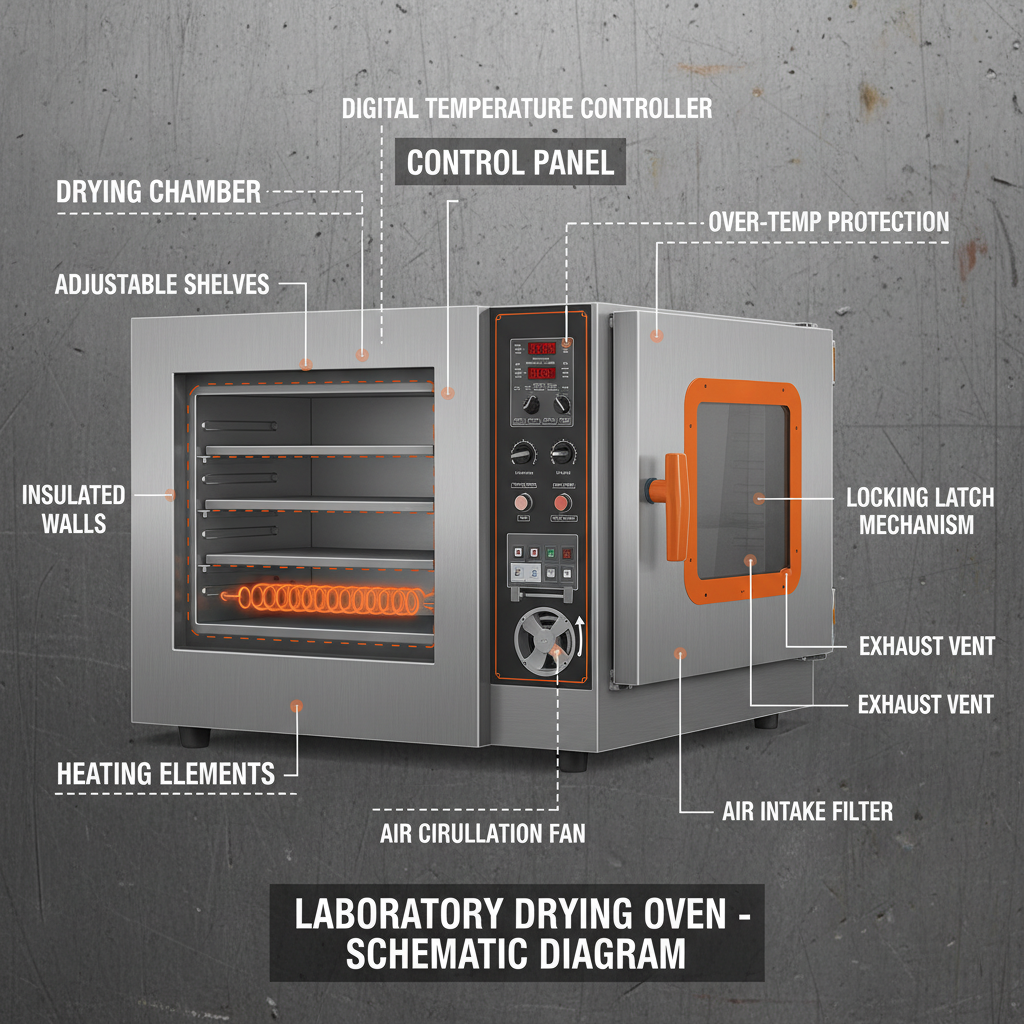
Understanding the Fundamentals of Laboratory Drying Ovens
Laboratory drying ovens utilize heated air to remove liquid samples from solid materials. They are distinct from other heating devices in their emphasis on temperature control and uniformity. Precise temperature control is paramount to prevent sample degradation or alteration during the drying process. Uniformity ensures that all parts of the sample are exposed to the same temperature, leading to consistent and reproducible results. Different oven types are available, including convection ovens, vacuum ovens, and forced air ovens, each suited to specific applications. Choosing the right type directly impacts the efficiency and quality of your drying process.
Key Takeaway: Precise temperature control and uniformity are crucial for reliable and consistent drying results in laboratory settings.
Types of Drying Ovens for Laboratory Use
There are several types of drying ovens available, each with unique features and benefits. Convection ovens use natural convection currents to circulate air, offering gentle and even heating. Forced air ovens utilize a fan to circulate air, providing faster drying times and improved temperature uniformity. Vacuum ovens reduce the pressure within the chamber, lowering the boiling point of liquids and allowing for drying at lower temperatures, ideal for heat-sensitive materials. The best choice will depend on the nature of your samples and your specific research requirements.
Oven Type Comparison:
• Convection Ovens: Gentle heating, ideal for stable compounds.
• Forced Air Ovens: Faster drying, improved uniformity.
• Vacuum Ovens: Low-temperature drying, suitable for heat-sensitive samples.
Key Considerations When Selecting a Drying Oven for Laboratory Applications
Choosing the right drying oven requires careful consideration of several factors. Temperature range must align with the drying temperatures required by your samples. Chamber volume should be large enough to accommodate your typical sample sizes. Temperature uniformity is crucial for consistent results. Digital temperature controllers and data logging capabilities enhance precision and documentation. Finally, consider features like programmable timers, over-temperature protection, and corrosion-resistant chambers. Prioritize features that will directly impact the accuracy, safety, and efficiency of your experiments.
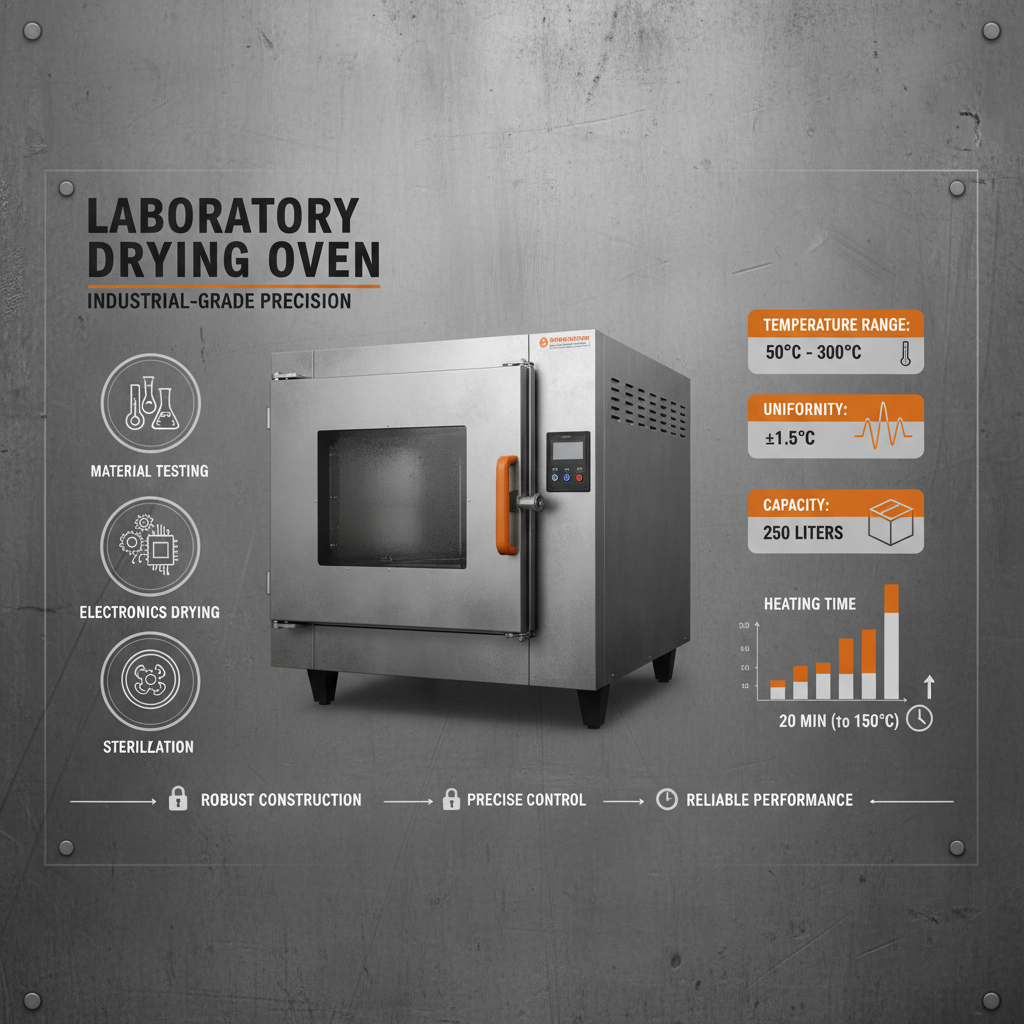
Comparing Key Specifications of Laboratory Drying Ovens
Understanding the specifications of different models is essential for making an informed decision. Here's a comparative look at common features:
Maintaining and Calibrating Your Drying Oven
Regular maintenance is essential to ensure the longevity and accuracy of your drying oven. Clean the chamber regularly to remove residue and prevent contamination. Inspect the door seals for leaks. Calibrate the temperature controller periodically to verify accuracy. Refer to the manufacturer's instructions for specific maintenance procedures. Following these practices will help maintain optimal performance and reliable results.
Conclusion: Investing in Quality and Reliability
Selecting the right drying oven for laboratory use is a critical decision that impacts the quality and reliability of your research. By carefully considering your specific needs, comparing available options, and prioritizing features like temperature control, uniformity, and safety, you can find the perfect oven to meet your requirements. Don't hesitate to explore the diverse range of ovens available at CZ Lab Instrument to find the ideal solution for your laboratory.
Frequently Asked Questions (FAQs)
What is the ideal temperature range for drying biological samples?
The ideal temperature range for drying biological samples typically falls between 30°C and 60°C. This lower temperature range helps prevent degradation of sensitive biomolecules. However, the specific optimal temperature will depend on the particular sample and the desired level of dryness. Using a vacuum oven can further reduce the required temperature, minimizing the risk of damage. It's important to consult relevant literature and protocols for your specific application.
How often should a laboratory drying oven be calibrated?
A laboratory drying oven should be calibrated at least annually, or more frequently if it is used for critical applications. Calibration ensures the temperature readings are accurate and reliable. It's also recommended to calibrate the oven whenever it has been moved, repaired, or if there is any suspicion of temperature inaccuracy. Maintaining a calibration record is essential for quality control and regulatory compliance.
Can I use a drying oven to dry flammable materials?
No, it is extremely dangerous to use a standard drying oven to dry flammable materials. The heat source and the presence of oxygen can create a fire or explosion hazard. For drying flammable materials, a specifically designed and certified explosion-proof drying oven is required. These ovens incorporate safety features like inert gas purging and spark-proof components to minimize the risk of ignition.
What are the benefits of using a vacuum drying oven?
Vacuum drying ovens offer several benefits, particularly for heat-sensitive materials. By reducing the pressure, the boiling point of liquids is lowered, allowing for drying at lower temperatures. This minimizes the risk of thermal degradation. Vacuum drying also accelerates the drying process and can achieve lower residual moisture levels compared to conventional drying ovens. This makes them ideal for drying delicate samples, solvents, and powders.


