
Comprehensive Guide to Laboratory Incubator Selection and Maintenance
Laboratory Incubator: A Comprehensive Guide
A laboratory incubator is a crucial piece of equipment in many scientific settings, providing a controlled environment for the growth of cells and microorganisms. From biological research to pharmaceutical development, its consistent temperature and atmospheric conditions are vital for successful experiments. This article will explore the key features, types, applications, and maintenance of laboratory incubators, helping you understand how to choose the right one for your specific needs. Understanding the nuances of incubator technology can significantly impact the reproducibility and reliability of your research outcomes.
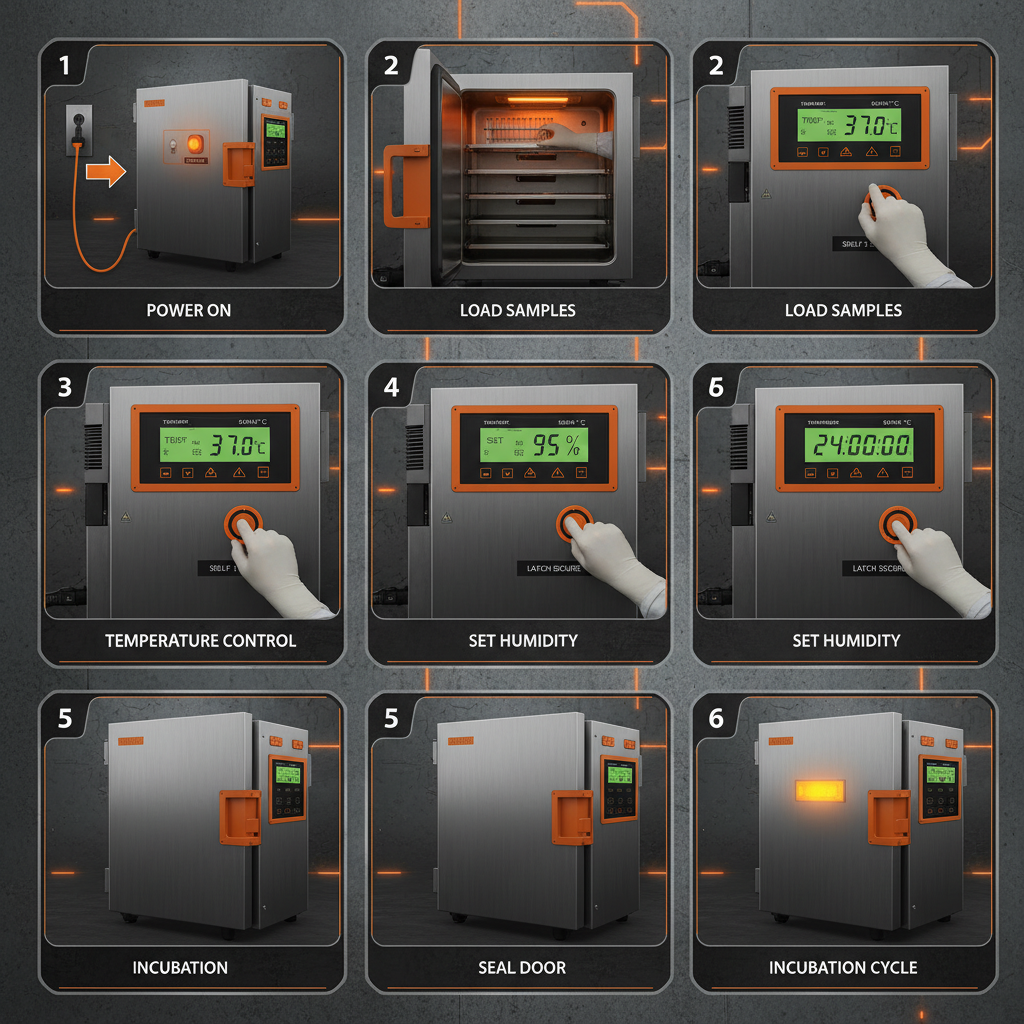
What is a Laboratory Incubator and Why is it Important?
Essentially, a laboratory incubator mimics the conditions necessary for cell growth outside of a biological host. They precisely control temperature, humidity, and often CO2 levels to create an optimal environment. This control is essential because even slight variations can drastically affect cell viability, growth rate, and experimental results. Incubators are used in a vast array of scientific fields, including microbiology, cell biology, immunology, and drug discovery. The ability to maintain these consistent conditions enables researchers to conduct reliable and reproducible experiments. Selecting a quality incubator is an investment in the integrity of your research.
Key Benefits: Precise temperature control, consistent humidity, controlled CO2 levels, sterile environment, and reliable experimental results.
Types of Laboratory Incubators
Laboratory incubators come in several different types, each designed for specific applications. The most common types include standard CO2 incubators, water-jacketed incubators, dry heat incubators, and shaking incubators. CO2 incubators maintain a constant temperature and regulate CO2 levels, crucial for cell cultures that require a specific pH. Water-jacketed incubators use a water bath for even temperature distribution, while dry heat incubators rely on heating elements. Shaking incubators add agitation to the environment, promoting aeration and mixing for cultures requiring movement. The choice depends largely on the type of cultures and experimental protocols you'll be using. CZ Lab Instrument offers a wide range of these options.
Incubator Type Comparison:
• Standard CO2 Incubator: Maintains temperature and CO2.
• Water-Jacketed Incubator: Provides even temperature distribution.
• Dry Heat Incubator: Simpler, for cultures not requiring CO2 control.
• Shaking Incubator: Adds agitation for aeration and mixing.
Key Features to Consider When Choosing a Laboratory Incubator
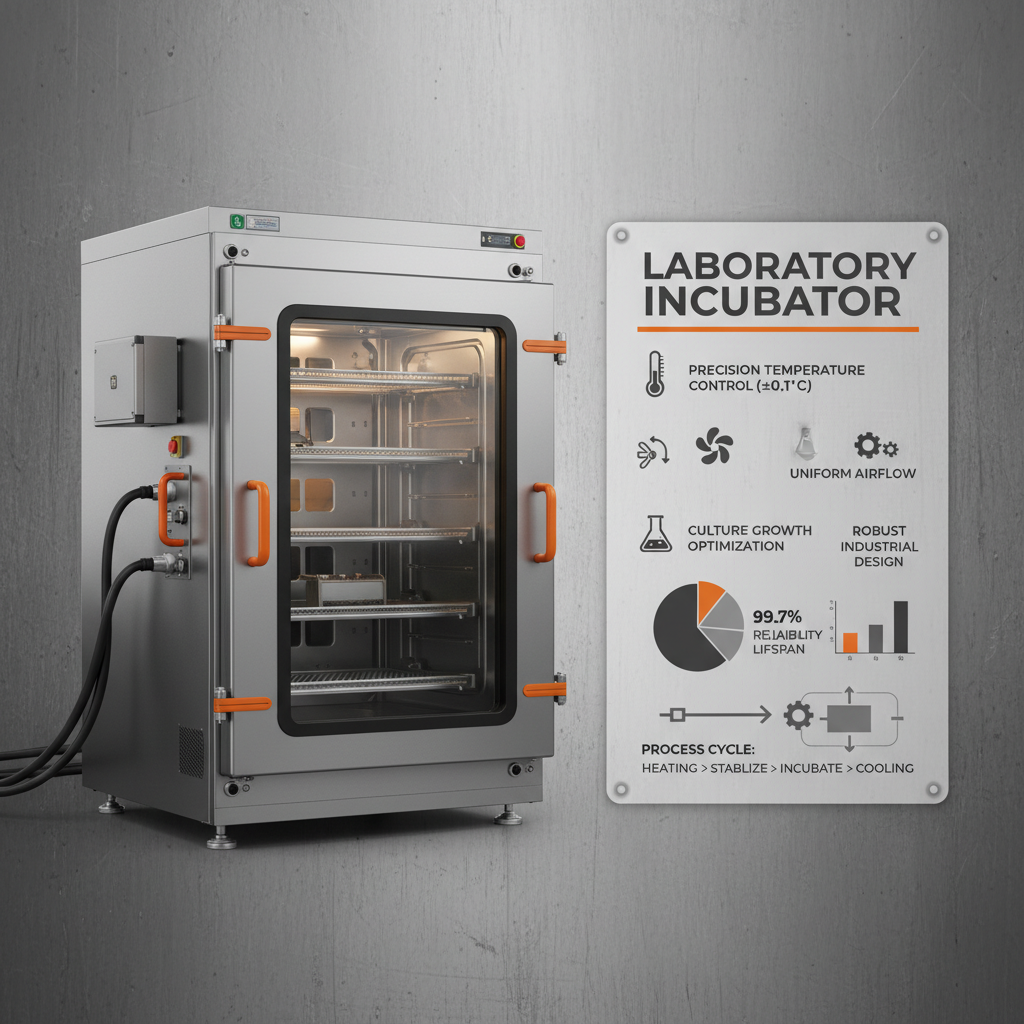
Selecting the right laboratory incubator involves considering several important features. Temperature accuracy and stability are paramount, with most incubators offering a range of 0°C to 60°C. Humidity control is also critical, as maintaining optimal humidity levels prevents cultures from drying out. For CO2 incubators, consider the range and accuracy of CO2 control, typically from 0% to 20%. Additionally, features like HEPA filtration, internal lighting, and data logging capabilities can enhance convenience and data reliability. The internal chamber size should be appropriate for your experimental volume and future needs. CZ Lab Instrument offers incubators with all these features.
Applications of Laboratory Incubators Across Disciplines
The applications of laboratory incubators are incredibly diverse. In microbiology, they're used to grow bacterial and fungal cultures for research and identification. In cell biology, they provide the controlled environment necessary for maintaining cell lines and performing experiments on cell behavior. Immunology relies on incubators for antibody production and immune cell studies. Pharmaceutical research uses incubators for drug screening and toxicity testing. Essentially, any field that involves culturing cells or microorganisms benefits from the precise control offered by a laboratory incubator.
Maintenance and Troubleshooting
Regular maintenance is crucial for ensuring the longevity and accuracy of your laboratory incubator. This includes cleaning the interior chamber regularly with appropriate disinfectants, checking and calibrating the temperature and CO2 sensors, and replacing filters as needed. Common troubleshooting issues include temperature fluctuations, humidity imbalances, and CO2 level inaccuracies. Consult the incubator's manual for specific troubleshooting steps, or contact a qualified technician for assistance. Proper maintenance significantly reduces the risk of experimental errors and prolongs the life of the equipment.
Conclusion: Investing in Quality for Reliable Results
Choosing the right laboratory incubator is an investment in the accuracy and reliability of your research. By carefully considering your specific needs, evaluating the available features, and performing regular maintenance, you can ensure consistent and reproducible results. CZ Lab Instrument provides a comprehensive range of high-quality incubators to meet diverse research requirements.
Frequently Asked Questions (FAQs)
What is the recommended temperature range for most cell cultures?
The most common temperature range for mammalian cell cultures is 37°C, mirroring human body temperature. However, this can vary depending on the cell type and specific experimental requirements. Some bacterial cultures may thrive at lower temperatures, while others require higher temperatures for optimal growth. Precise temperature control is vital as even small deviations can significantly affect cell metabolism and viability. Always consult the specific guidelines for the cell line or microorganism you are working with. It's crucial to select an incubator capable of maintaining the required temperature with high accuracy.
How often should I calibrate my laboratory incubator?
Calibration should be performed at least annually, or more frequently if the incubator is used extensively or if critical experiments require absolute temperature and CO2 accuracy. Regular calibration ensures the incubator is maintaining the set parameters accurately. Most incubators have built-in calibration functions, but professional calibration services are also available. Keeping accurate records of calibration dates and results is essential for maintaining data integrity and traceability.
What are the benefits of a HEPA filter in a CO2 incubator?
A HEPA (High-Efficiency Particulate Air) filter removes airborne contaminants, such as bacteria, fungi, and dust, from the incubator's atmosphere. This is crucial for maintaining a sterile environment, preventing contamination of cell cultures, and ensuring reliable experimental results. HEPA filters are particularly important for long-term cultures and sensitive experiments. They significantly reduce the risk of introducing unwanted microorganisms that could compromise the integrity of your research.
How do I clean a laboratory incubator effectively?
Regular cleaning is essential to prevent contamination. First, disconnect the incubator from power. Remove all items from the chamber. Wipe down the interior surfaces with a suitable disinfectant, following the manufacturer's instructions. Pay attention to corners and hard-to-reach areas. For water-jacketed incubators, periodically drain and refill the water reservoir with distilled or deionized water to prevent biofilm formation. Allow the incubator to dry completely before use. Avoid using abrasive cleaners that could damage the interior surfaces.


