
Comprehensive Guide to Laboratory Industry Drying Oven Selection and Applications
Laboratory Industry Drying Oven: A Comprehensive Guide
Selecting the right drying oven is critical for a variety of applications within the laboratory industry. From research and development to quality control, a reliable and precise laboratory drying oven is essential for achieving accurate results. This article provides an in-depth exploration of laboratory drying ovens, covering their types, applications, key features, and considerations for choosing the best model for your specific needs. Ensuring consistent and reproducible drying processes directly impacts the validity of experimental data.
Understanding the Different Types of Laboratory Drying Ovens
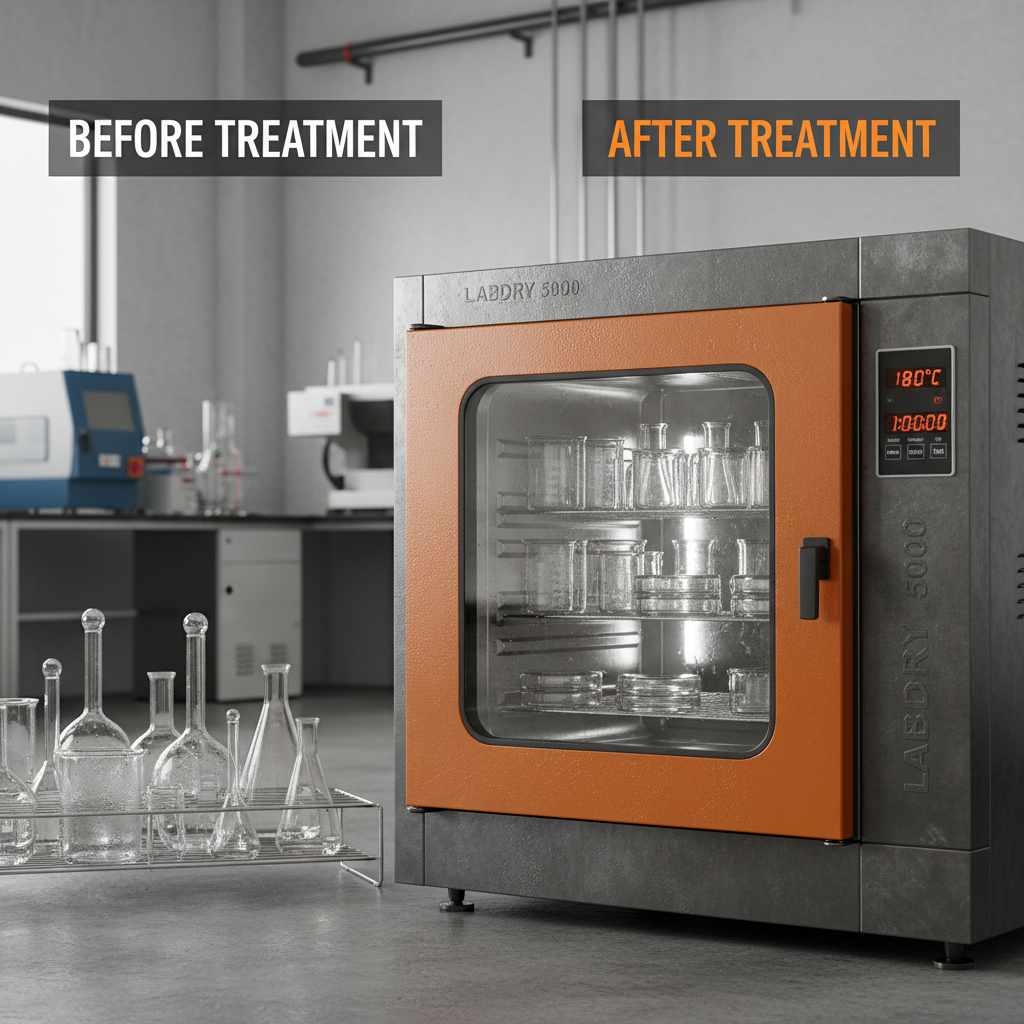
Laboratory drying ovens come in various types, each designed to address specific requirements. Conventional drying ovens utilize natural convection to circulate heated air, making them suitable for general-purpose drying applications. Forced convection ovens employ a fan to actively circulate air, resulting in faster and more uniform drying. Vacuum drying ovens remove air from the chamber, lowering the boiling point of liquids and accelerating drying, especially for heat-sensitive materials. Inert gas drying ovens replace air with an inert gas, preventing oxidation during the drying process. Understanding these distinctions is crucial for selecting the most efficient and effective oven for your lab's workflow.
Key Considerations: Factors such as sample type, temperature requirements, drying time, and the need for controlled atmospheres will guide the selection of the appropriate oven type.
Applications of Laboratory Drying Ovens in Various Industries
The versatility of laboratory drying ovens extends to numerous industries. In pharmaceutical research, they are used to dry drug formulations and excipients. Food science utilizes them for moisture analysis and preservation. Chemical and materials science applications include drying precipitates, preparing samples for analysis, and removing solvents. Environmental testing relies on them for sample preparation prior to pollutant analysis. Moreover, drying ovens play a pivotal role in quality control across a broad spectrum of manufacturing processes. CZ Lab Instrument offers drying ovens tailored to these diverse needs.
Common Applications:
• Drying precipitates and powders
• Removing solvents from samples
• Moisture analysis in food and pharmaceuticals
• Preparing samples for microscopy
Laboratory Drying Oven Features: A Detailed Comparison
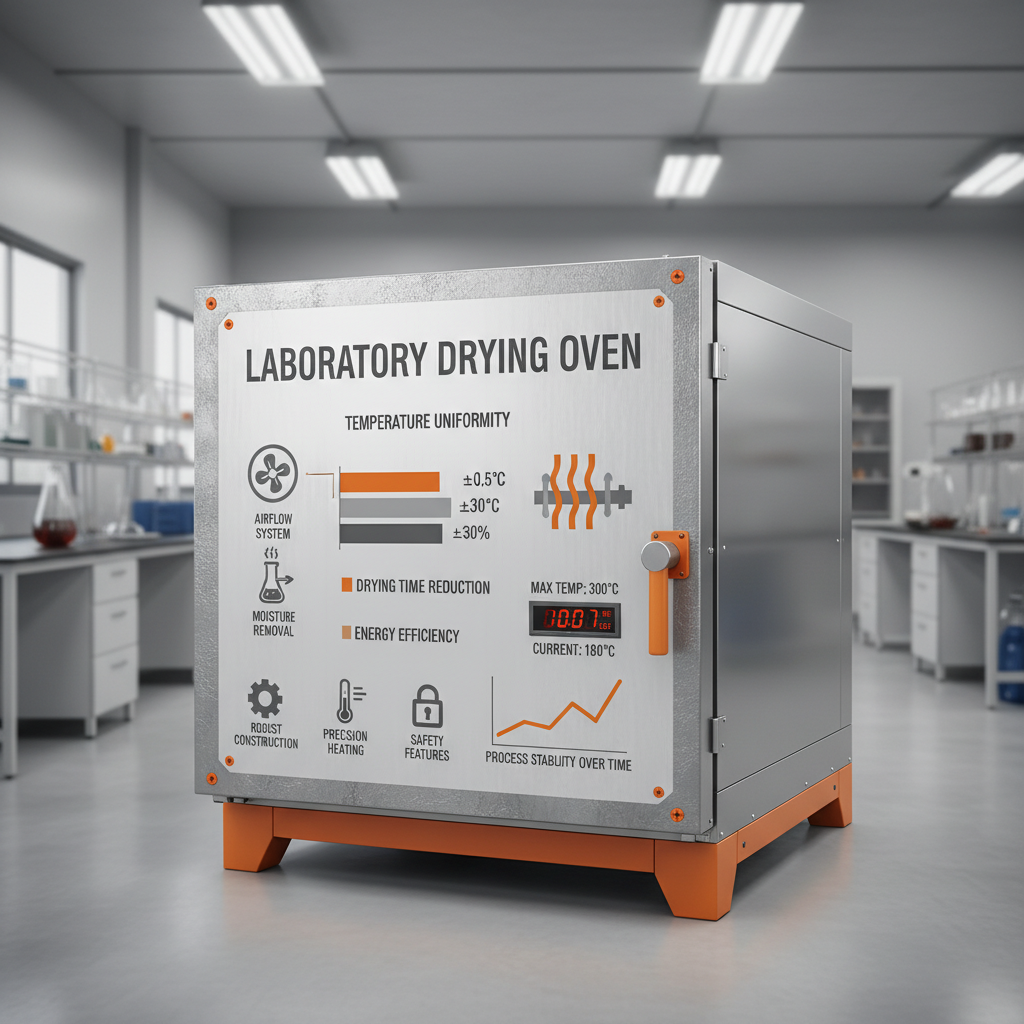
When selecting a laboratory drying oven, it's essential to consider several key features. Temperature control and accuracy are paramount, with PID controllers offering precise and stable temperatures. Uniformity of temperature distribution ensures consistent drying across the chamber. Digital displays and programmable settings facilitate ease of use and automation. Safety features, such as over-temperature protection, are crucial for preventing accidents. Finally, the chamber material (e.g., stainless steel) impacts corrosion resistance and ease of cleaning.
Selecting the Right Drying Oven: Key Considerations
Choosing the optimal laboratory drying oven requires careful consideration of your specific application. Sample volume and size dictate the necessary chamber capacity. Temperature range must align with the drying requirements of your materials. Accuracy and uniformity are critical for reproducible results. Budget constraints will influence the level of features and sophistication. Finally, consider the manufacturer's reputation and support to ensure long-term reliability. CZ Lab Instrument provides expert guidance to help you select the ideal oven.
CZ Lab Instrument: Your Trusted Partner for Drying Oven Solutions
At CZ Lab Instrument, we offer a comprehensive range of high-quality laboratory drying ovens to meet diverse needs. Our ovens are engineered for precision, reliability, and durability. We provide expert technical support and customized solutions to ensure your complete satisfaction. Explore our selection and find the perfect drying oven for your laboratory today.
Conclusion: Investing in Quality for Reliable Results
Choosing the right laboratory drying oven is an investment in the accuracy and reliability of your research and processes. Consider your specific needs, prioritize key features, and partner with a trusted supplier like CZ Lab Instrument. A high-quality drying oven will deliver consistent performance, enhance productivity, and contribute to the success of your scientific endeavors.
Frequently Asked Questions (FAQs)
What temperature range should I look for in a laboratory drying oven?
The appropriate temperature range depends entirely on the materials you intend to dry. General-purpose ovens typically cover 50°C to 250°C, while specialized ovens can reach higher or lower temperatures. For heat-sensitive materials, a vacuum oven allowing for lower drying temperatures is preferable. It's crucial to select an oven with a range that accommodates your specific application without risking damage to your samples. Ensure the oven provides accurate and consistent temperature control within the desired range. Always consult material safety data sheets (MSDS) to determine the safe drying temperature for your substances.
How important is temperature uniformity within the oven chamber?
Temperature uniformity is critically important, especially for applications requiring consistent drying across all samples. Poor uniformity can lead to uneven drying, resulting in inaccurate results and potential sample degradation. Advanced ovens utilize forced convection and optimized chamber design to minimize temperature gradients. A temperature uniformity specification of +/- 1°C or better is generally recommended for most laboratory applications. Regularly calibrate your oven to ensure consistent and accurate temperature distribution.
What safety features should I consider when purchasing a drying oven?
Safety is paramount when working with laboratory drying ovens. Essential safety features include over-temperature protection to prevent overheating and potential fire hazards. A door lock mechanism can prevent accidental opening during operation. Some ovens also offer audible alarms to alert users of abnormal conditions. Consider ovens with features like double-walled construction for increased insulation and reduced external surface temperature. Always follow proper safety protocols and ensure your oven is equipped with the necessary safety features.


