
Comprehensive Guide to Laboratory Laminar Flow Cabinet Selection and Usage
Laboratory Laminar Flow Cabinet: A Comprehensive Guide
Maintaining a sterile work environment is critical in various scientific disciplines, including biology, medicine, and pharmaceutical research. A laboratory laminar flow cabinet is an essential piece of equipment for achieving this. This article provides a detailed overview of laminar flow cabinets, their types, applications, key features, and factors to consider when choosing the right cabinet for your needs. Understanding these aspects will help you ensure a safe and reliable research environment.
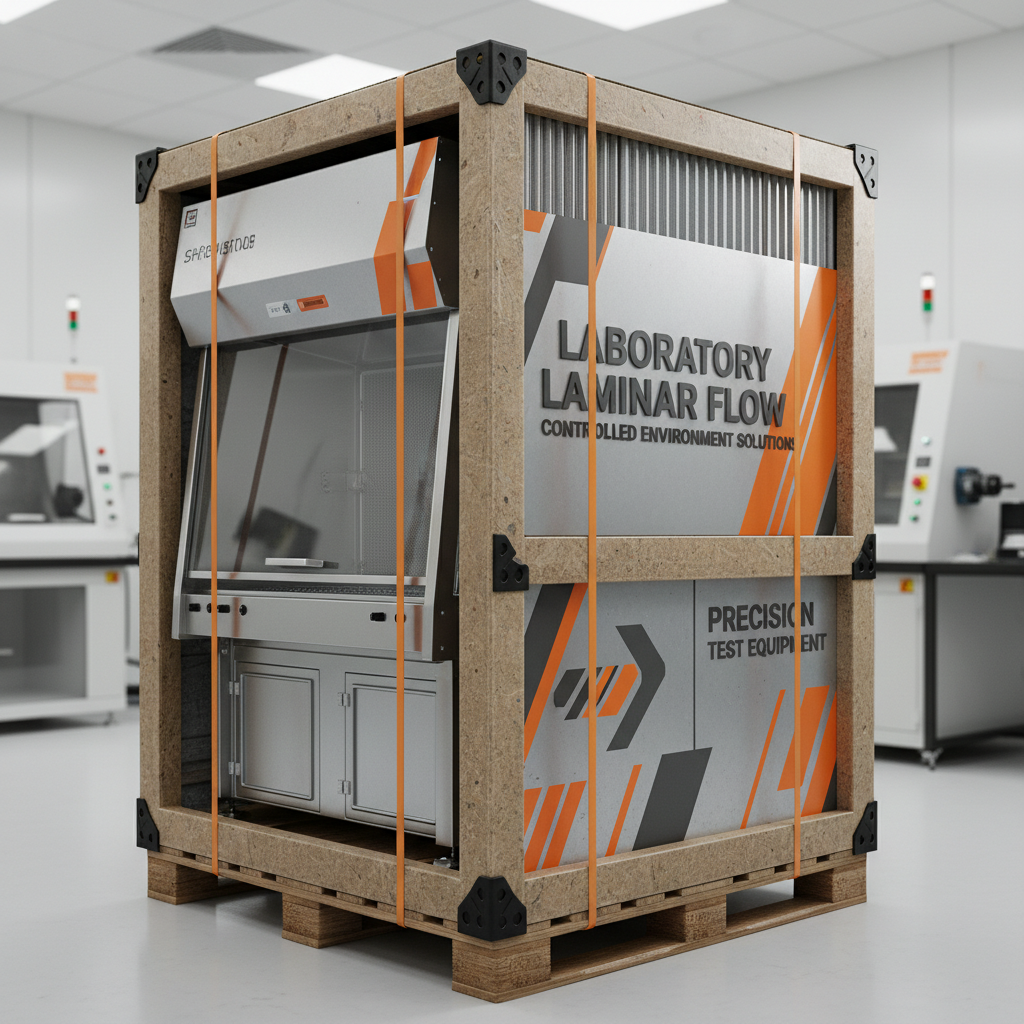
What is a Laboratory Laminar Flow Cabinet?
A laminar flow cabinet, also known as a tissue culture hood, is a carefully enclosed bench designed to create a particle-free working environment. It operates by drawing air through a HEPA filter, which removes at least 99.97% of particles 0.3 micrometers in diameter. This filtered air then flows in a smooth, laminar (layered) fashion across the work surface, protecting experiments and samples from contamination. Laminar flow cabinets are vital for applications requiring sterility, preventing airborne contaminants from impacting sensitive procedures. Different models offer different protection levels for both the sample and the user.
Key Benefit: Provides a sterile work environment crucial for sensitive experiments and preventing contamination.
Types of Laboratory Laminar Flow Cabinets
There are primarily three classes of laminar flow cabinets, each designed for specific applications and levels of protection: Class I, Class II, and Class III. Understanding the differences between these classes is essential for selecting the appropriate cabinet for your laboratory. Class I cabinets offer personnel protection but no sample protection. Class II cabinets provide both personnel and sample protection, with varying levels of exhaust and airflow. Class III cabinets offer the highest level of protection for both personnel and sample, utilizing a fully enclosed system.
Key Types of Laminar Flow Cabinets:
• Class I: Personnel protection, no sample protection.
• Class II: Personnel and sample protection, varying levels of exhaust.
• Class III: Highest level of personnel and sample protection, fully enclosed.
Laboratory Laminar Flow Cabinet Comparison
Choosing the right laminar flow cabinet involves understanding the pros and cons of each class. Here’s a comparison to help you decide which is best suited for your application. Consider the type of work being performed, the potential hazards, and the required level of sterility. A careful evaluation will ensure you select a cabinet that meets your specific needs and safety requirements. You can explore various models and configurations at CZ Lab Instrument.
Applications of Laminar Flow Cabinets
Laminar flow cabinets find diverse applications across numerous scientific fields. In microbiology, they are used for sterile culturing of microorganisms. In pharmaceutical research, they are essential for compounding sterile medications. Additionally, they are employed in cell culture, tissue engineering, and various other applications requiring a controlled, contamination-free environment. Proper cabinet selection and operation are paramount for reliable results.
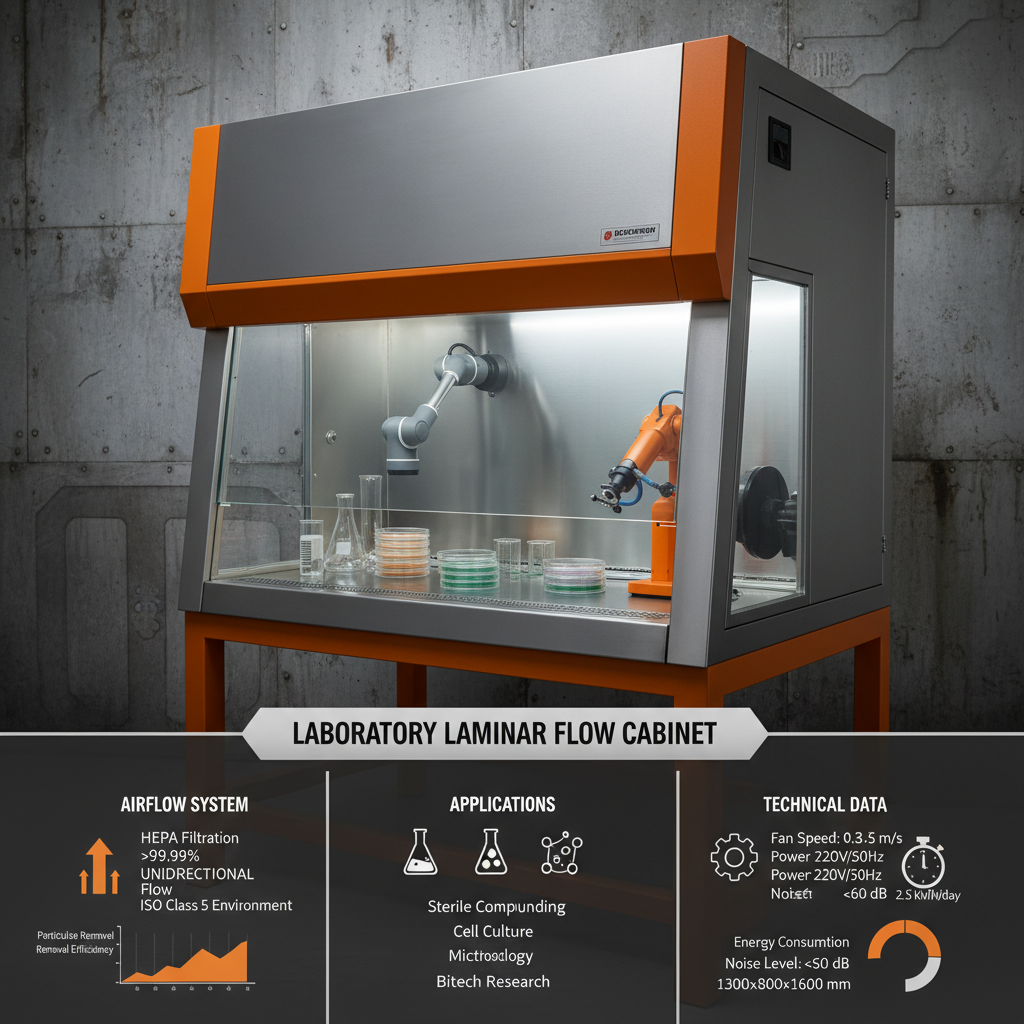
Key Considerations When Choosing a Laminar Flow Cabinet
Selecting the right laminar flow cabinet requires careful consideration of several factors. The size of the work area needed, the type of experiments being conducted, the required level of protection, and budget constraints all play a role. Additionally, it's essential to consider the cabinet's airflow patterns, filter efficiency, and ease of maintenance. CZ Lab Instrument offers a comprehensive range of laminar flow cabinets to meet diverse needs.
Conclusion: Ensuring a Sterile and Safe Laboratory Environment
A laboratory laminar flow cabinet is an indispensable tool for maintaining sterility and ensuring the accuracy of scientific experiments. By understanding the different classes, applications, and key considerations, you can select the optimal cabinet for your laboratory's needs. Investing in a high-quality laminar flow cabinet is an investment in the integrity of your research and the safety of your personnel.
Frequently Asked Questions (FAQs)
What is the difference between vertical and horizontal laminar flow?
Vertical laminar flow cabinets draw air downwards, providing personnel protection by containing aerosols. Horizontal laminar flow cabinets draw air across the work surface, offering sample protection but minimal personnel protection. Vertical flow is generally preferred for working with hazardous materials, while horizontal flow is suitable for applications where personnel protection is less critical. The choice depends on the specific application and safety requirements.
How often should HEPA filters be replaced?
HEPA filters typically need to be replaced every 6-12 months, depending on usage and environmental conditions. Regular filter integrity testing is crucial to ensure they maintain their efficiency. Filter replacement should be performed by trained personnel using appropriate procedures to prevent contamination. Monitoring the pressure drop across the filter is also a good indicator of when replacement is needed.
What cleaning procedures should be followed for a laminar flow cabinet?
Regular cleaning is vital to maintain sterility. Before each use, wipe down the work surface with a suitable disinfectant, such as 70% isopropyl alcohol. Avoid using harsh chemicals or abrasive cleaners. The cabinet should also be disinfected regularly, following the manufacturer's recommendations. Proper cleaning procedures help prevent the buildup of contaminants and ensure a consistently sterile environment.
What safety precautions should be taken when working with a laminar flow cabinet?
Always wear appropriate personal protective equipment (PPE), including gloves, lab coats, and eye protection. Avoid obstructing the airflow by placing large objects near the inlet or outlet vents. Follow proper aseptic techniques to prevent contamination. Never work with hazardous materials without proper training and containment procedures. Regularly inspect the cabinet for any signs of damage or malfunction.


