
Comprehensive Guide to Laminar Airflow Workbench Applications and Selection
Laminar Airflow Workbench: A Comprehensive Guide
In critical industries like pharmaceuticals, biotechnology, electronics, and food science, maintaining a sterile and contamination-free environment is paramount. The Laminar Airflow Workbench plays a vital role in achieving this. This article will explore the functionality, benefits, applications, and considerations when choosing a laminar airflow workbench, providing a thorough understanding for researchers, technicians, and quality control professionals. Understanding the principles of laminar airflow is key to ensuring product integrity and reliable results.
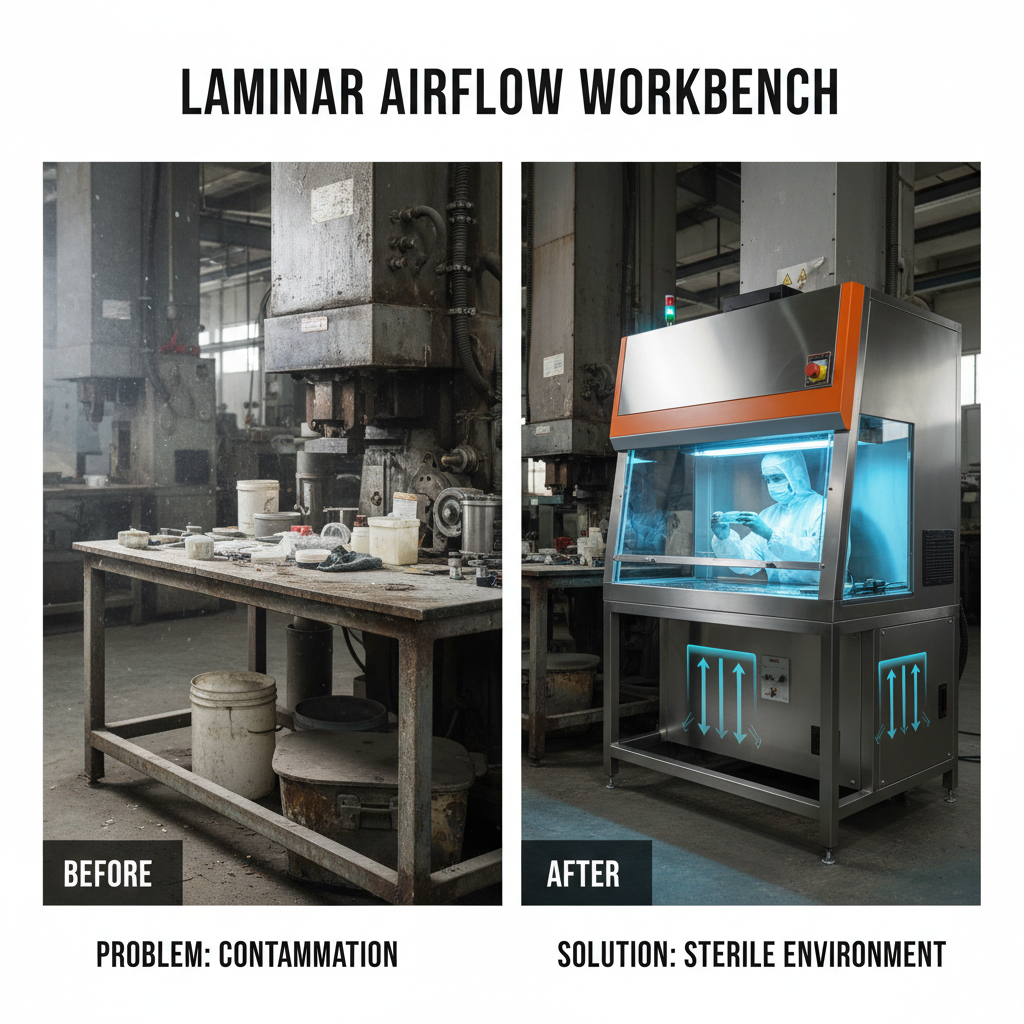
What is a Laminar Airflow Workbench?
A Laminar Airflow Workbench (also known as a clean bench) is a specially designed workspace that provides a particle-free environment for sensitive procedures. It achieves this by drawing air through a HEPA (High-Efficiency Particulate Air) filter, creating a unidirectional airflow that eliminates airborne contaminants. The laminar airflow, meaning flowing in a single direction, minimizes the risk of contamination from particles, bacteria, and other microorganisms. This is crucial for applications where sterility is essential. CZ Lab Instrument offers a range of laminar airflow workbenches tailored to different laboratory needs.
Key Highlights: Provides a particle-free environment using HEPA filters, ensuring unidirectional airflow for critical procedures and minimizing contamination risk.
Types of Laminar Airflow Workbenches
There are two main types of laminar airflow workbenches: vertical and horizontal. Understanding the difference is essential for selecting the right workbench for your application. Horizontal laminar airflow workbenches blow air across the work surface, providing a clean workspace but offering limited protection to the operator. Vertical laminar airflow workbenches, on the other hand, blow air down onto the work surface, providing both product and operator protection. The choice depends on the specific needs of the procedure and the level of containment required.
Laminar Airflow Workbench Types:
• Horizontal Laminar Flow: Air flows across the work surface, suitable for applications where operator protection isn’t critical.
• Vertical Laminar Flow: Air flows down onto the work surface, providing both product and operator protection.
Laminar Airflow Workbench vs. Biosafety Cabinet: What's the Difference?
While often confused, Laminar Airflow Workbenches and Biosafety Cabinets (BSCs) serve distinct purposes. A Laminar Airflow Workbench protects the product from contamination, while a BSC protects both the product and the operator from biohazards. BSCs feature inward airflow and exhaust systems to contain potentially harmful agents. BSCs are essential for working with infectious materials, while laminar airflow workbenches are ideal for applications requiring a sterile environment without the need for biohazard containment.
Applications of Laminar Airflow Workbenches
Laminar airflow workbenches are essential in a wide array of scientific and industrial applications, including: pharmaceutical compounding, cell culture, microbiology, electronics assembly, food processing, and plant tissue culture. Their ability to provide a sterile environment ensures the integrity of experiments, the quality of products, and the safety of processes. CZ Lab Instrument's workbenches are designed to meet the rigorous demands of these diverse applications.
Choosing the Right Laminar Airflow Workbench
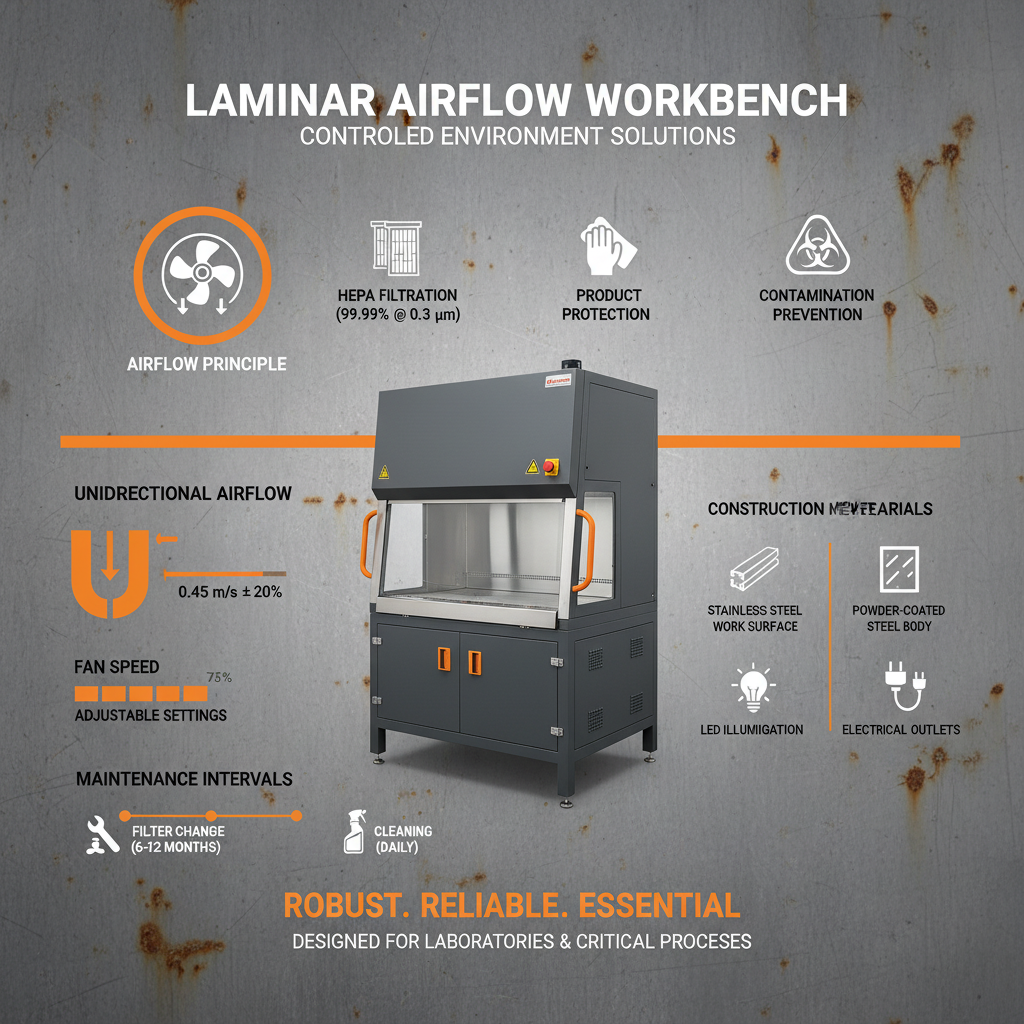
Selecting the appropriate laminar airflow workbench requires careful consideration of several factors, including: the size and type of procedures to be performed, the level of contamination control required, the available space, and the budget. Key specifications to consider include workbench dimensions, airflow velocity, HEPA filter efficiency, and noise level. It’s also important to verify the workbench meets relevant industry standards and certifications.
Conclusion: Maintaining Sterile Environments with Confidence
The Laminar Airflow Workbench is an indispensable tool for ensuring sterile environments and achieving reliable results in critical applications. By understanding the different types, applications, and selection criteria, you can choose the right workbench to meet your specific needs. Investing in a high-quality laminar airflow workbench from a reputable provider like CZ Lab Instrument is a crucial step towards maintaining product integrity and advancing scientific discovery.
Frequently Asked Questions (FAQs)
How often should the HEPA filter be replaced?
The HEPA filter should be replaced typically every 6-12 months, or more frequently depending on usage and environmental conditions. Regularly monitor the filter’s performance using a DOP (Dioctyl Phthalate) test to determine when replacement is necessary. A compromised HEPA filter can significantly reduce the workbench's effectiveness in maintaining a sterile environment.
What cleaning procedures are recommended for a laminar airflow workbench?
Regular cleaning is essential to maintain a sterile environment. Wipe down the work surface with a 70% isopropyl alcohol solution before and after each use. Avoid using harsh chemicals or abrasive cleaners that could damage the workbench's components. Follow the manufacturer’s instructions for cleaning the HEPA filter and other parts.
Can a laminar airflow workbench be used with flammable materials?
No, laminar airflow workbenches are not designed for use with flammable materials. The airflow and electrical components can create a fire hazard. If you need to work with flammable materials, a specially designed fume hood with appropriate safety features is required.


