
Comprehensive Guide to Slump Flow Test Apparatus and its Applications
Slump Flow Test Apparatus: A Comprehensive Guide
The Slump Flow Test Apparatus is a vital piece of equipment used to measure the consistency of concrete. Crucial for quality control in construction and material science, it provides valuable data about the workability and flow characteristics of concrete mixes. This article will delve into the details of this apparatus, its components, applications, testing procedures, and the importance of selecting the right equipment. Understanding and utilizing a reliable Slump Flow Test Apparatus is essential for ensuring the integrity and durability of concrete structures.
Understanding the Components of a Slump Flow Test Apparatus
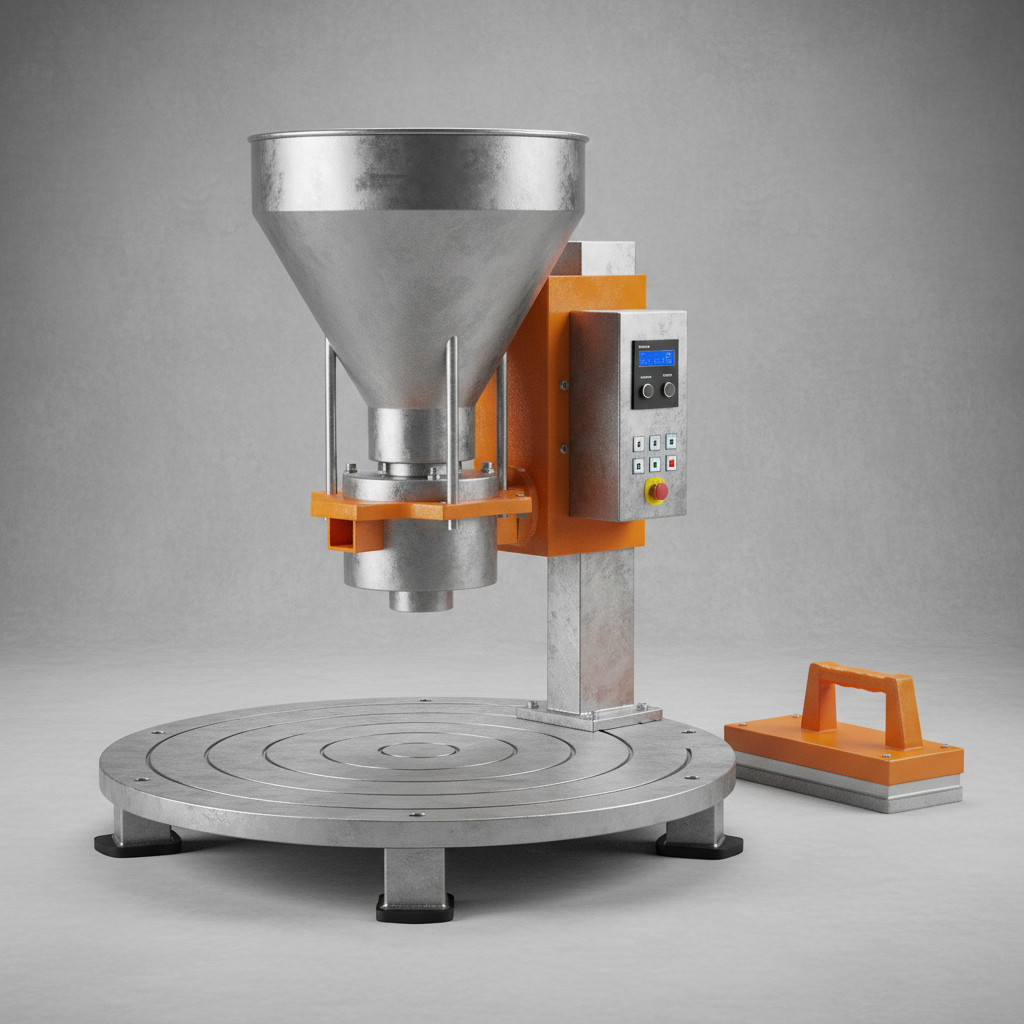
A complete Slump Flow Test Apparatus consists of several key components working in unison. These include the slump cone, a steel tamping rod, a slump flow table, and a funnel for filling the cone. The cone itself is typically made of stainless steel and has specific dimensions outlined in standards like ASTM C143. The tamping rod is used to compact the concrete within the cone, ensuring consistent consolidation. The flow table provides a stable surface for the test and aids in measuring the spread of the concrete after the cone is lifted. Selecting high-quality components is vital for accurate and repeatable results.
Key Components: The apparatus comprises the slump cone, tamping rod, flow table, and filling funnel. Each component must meet specific dimensional requirements for accurate testing.
The Importance of Standardization: ASTM and EN Standards
Concrete testing is governed by rigorous international standards. The most common standards for slump flow testing are ASTM C143 (American Society for Testing and Materials) and EN 12350-2 (European Standard). These standards specify the dimensions of the apparatus, the testing procedure, and the methods for reporting results. Adhering to these standards ensures consistency and comparability of test data across different laboratories and projects. Choosing an apparatus that meets these standards, such as those available at CZLab Instrument, is critical for reliable quality control.
Standard Compliance Benefits:
• Ensures data consistency and comparability.
• Facilitates accurate quality control.
• Meets regulatory requirements.
• Provides reliable results for structural integrity.
Slump Flow Test Apparatus: Detailed Specifications
Understanding the specifications of a Slump Flow Test Apparatus is crucial for ensuring its suitability for your specific testing needs. Here's a table outlining typical specifications:
Applications of the Slump Flow Test Apparatus
The Slump Flow Test Apparatus is indispensable across various sectors of the construction industry. It is used to assess the workability of concrete mixes destined for foundations, slabs, beams, and columns. It’s also crucial for self-consolidating concrete (SCC) mixes, where flowability is paramount. From large-scale infrastructure projects to smaller residential builds, consistent concrete quality is non-negotiable, making this apparatus a standard requirement in quality control labs.
Testing Procedure and Data Interpretation
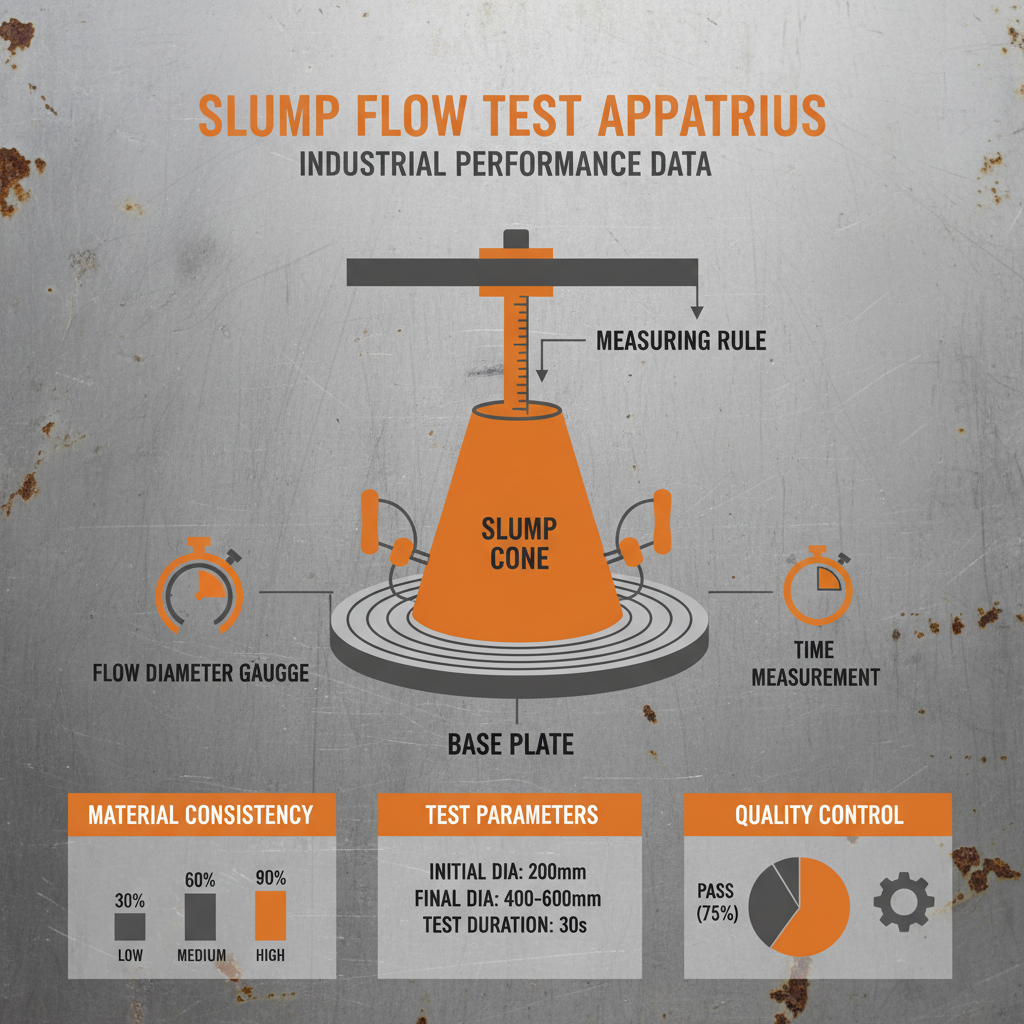
The slump flow test involves filling the slump cone in layers, compacting each layer with the tamping rod, and then carefully lifting the cone. The concrete then spreads out on the flow table. The diameter of the spread is measured in two perpendicular directions, and the average is calculated. The flow rate, which indicates the time taken for the concrete to reach a specific diameter, is also measured. These measurements provide insights into the concrete’s workability, consistency, and flow characteristics. Properly interpreting this data is essential for ensuring optimal concrete performance. You can find a range of these apparatus on CZLab Instrument's website.
Conclusion: Ensuring Concrete Quality with the Right Apparatus
Investing in a high-quality Slump Flow Test Apparatus is essential for any concrete production or quality control operation. Accurate and reliable testing ensures the integrity, durability, and safety of concrete structures. By choosing equipment that meets industry standards and utilizing proper testing procedures, you can guarantee consistent concrete quality and minimize the risk of costly failures.
Frequently Asked Questions (FAQs)
What factors can affect the results of a slump flow test?
Several factors can influence the results of a slump flow test. These include the concrete mix design (water-cement ratio, aggregate content), the temperature of the concrete, the degree of compaction during filling of the cone, and the operator's technique. Consistency in these factors is crucial for obtaining reliable and repeatable results. Variations in aggregate grading or cement type can also affect flow characteristics. Careful control of these variables is necessary for accurate assessments of concrete workability.
How often should the Slump Flow Test Apparatus be calibrated?
The Slump Flow Test Apparatus, particularly the flow table, should be calibrated regularly to ensure accurate measurements. A good practice is to calibrate it annually, or more frequently if it undergoes heavy use or is subject to potential damage. Calibration involves verifying the levelness of the flow table and the dimensions of the slump cone. Maintaining a calibration record is recommended to demonstrate adherence to quality control standards.
What is the difference between slump and slump flow tests?
The traditional slump test measures the consistency of concrete based on the height the concrete slumps after removing the cone. However, the slump flow test is designed for higher workability concretes, especially self-consolidating concretes (SCC). The slump flow test measures the spread of the concrete, providing a more accurate assessment of its flowability and ability to fill formwork without segregation. The slump flow test is a more versatile and comprehensive method for evaluating concrete workability.
Where can I purchase a reliable Slump Flow Test Apparatus?
CZLab Instrument offers a wide range of high-quality Slump Flow Test Apparatuses that meet ASTM and EN standards. They provide durable, accurate, and reliable equipment for all your concrete testing needs. They also offer excellent customer support and competitive pricing.


