
Comprehensive Guide to Selecting the Ideal Heating Stove for Laboratory Applications
Choosing the Right Heating Stove for Laboratory Applications
Maintaining precise temperatures is crucial in a laboratory setting. A reliable heating stove for laboratory use is essential for a wide range of applications, from chemical reactions to sample preparation. This article provides a comprehensive guide to selecting the ideal heating stove for your specific needs, covering different types, features, and considerations. Whether you're conducting research, quality control, or educational experiments, understanding your options is key to ensuring accuracy and safety. Choosing the right equipment can significantly enhance the efficiency and reliability of your lab work.
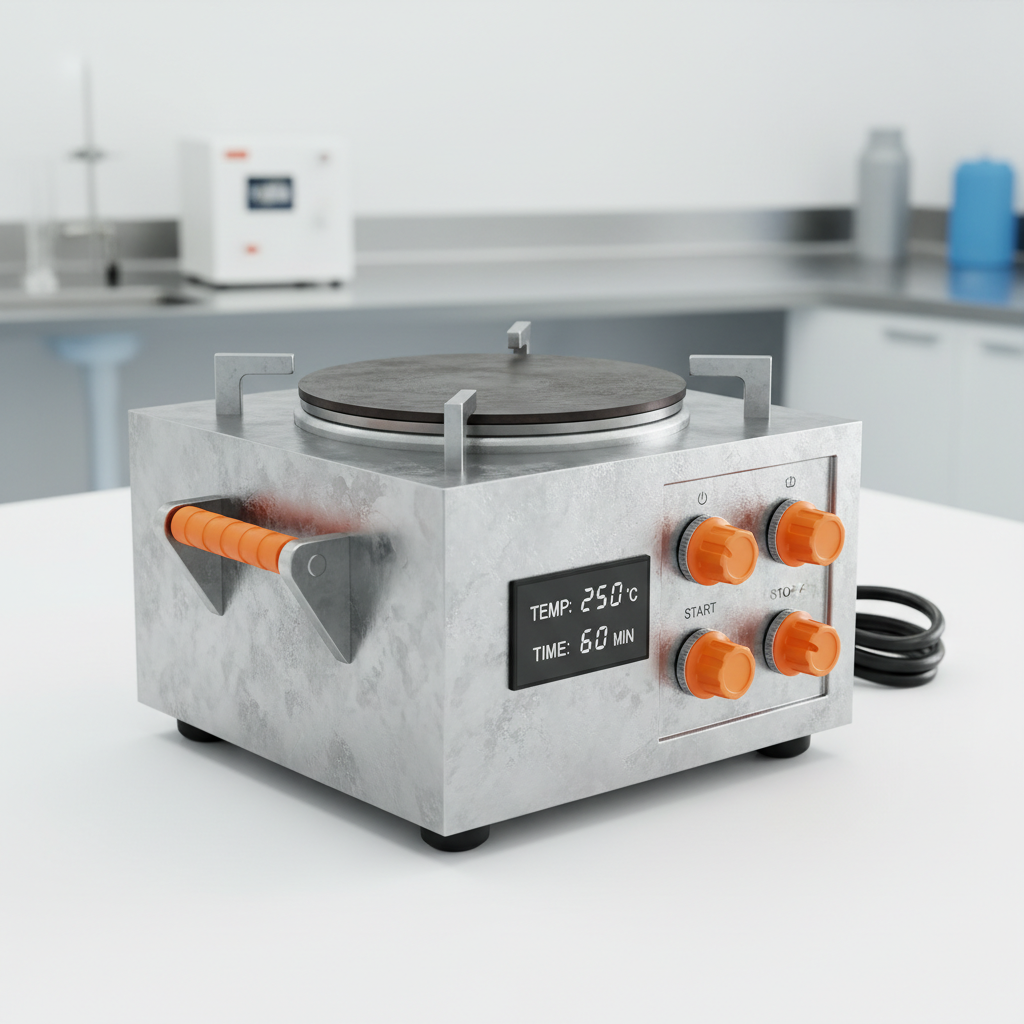
Understanding Different Types of Laboratory Heating Stoves
Laboratory heating stoves come in various designs, each suited for specific applications. Electric heating stoves are the most common, offering precise temperature control and ease of use. Gas heating stoves provide higher heating rates but require proper ventilation. Incubators are designed for maintaining stable temperatures for biological cultures, while ovens are ideal for drying and sterilization. Choosing the right type depends on your heating requirements, safety protocols, and the materials you're working with. Consider factors like temperature range, heating rate, and uniformity when making your selection. CZLabInstrument offers a diverse range of heating solutions to suit various laboratory needs.
Key Takeaway: The selection of a heating stove hinges on the specific application and the temperature precision demanded by your experiments.
Key Features to Consider When Purchasing a Heating Stove
Several features are critical when choosing a laboratory heating stove. Temperature control accuracy is paramount, ensuring consistent results. Temperature range should align with your experimental needs. Look for features like digital displays, programmable controllers, and safety mechanisms such as over-temperature protection. Chamber size is another crucial factor, accommodating the volume and size of your samples. Material of construction (e.g., stainless steel) impacts durability and resistance to corrosion. Finally, consider the energy efficiency and ease of cleaning of the appliance. CZLabInstrument's heating stoves are designed with these crucial features in mind.
Essential Features for Laboratory Heating Stoves:
• Precise Temperature Control
• Wide Temperature Range
• Digital Display and Programmable Controls
• Safety Mechanisms (Over-Temperature Protection)
Heating Stove for Laboratory: Electric vs. Gas - A Detailed Comparison
Choosing between electric and gas heating stoves depends on your lab's infrastructure and application needs. Electric stoves offer precise temperature control, are generally safer, and require minimal ventilation. Gas stoves provide faster heating rates and can be more cost-effective in areas with low electricity costs. However, they necessitate proper ventilation due to the production of combustion byproducts and pose a higher risk of gas leaks. Consider the long-term running costs, safety regulations, and the availability of gas lines when making your decision. CZLabInstrument provides both electric and gas models, allowing you to select the best fit for your lab.
Factors Influencing the Price of a Laboratory Heating Stove
The cost of a laboratory heating stove varies widely depending on its type, features, and capacity. Factors influencing price include temperature range, control precision, chamber size, construction materials, and brand reputation. Programmable models with advanced safety features tend to be more expensive. Larger capacity stoves also command a higher price. Investing in a high-quality heating stove can save you money in the long run by reducing maintenance costs and ensuring reliable performance. CZLabInstrument offers competitive pricing on a range of high-performance heating stoves.
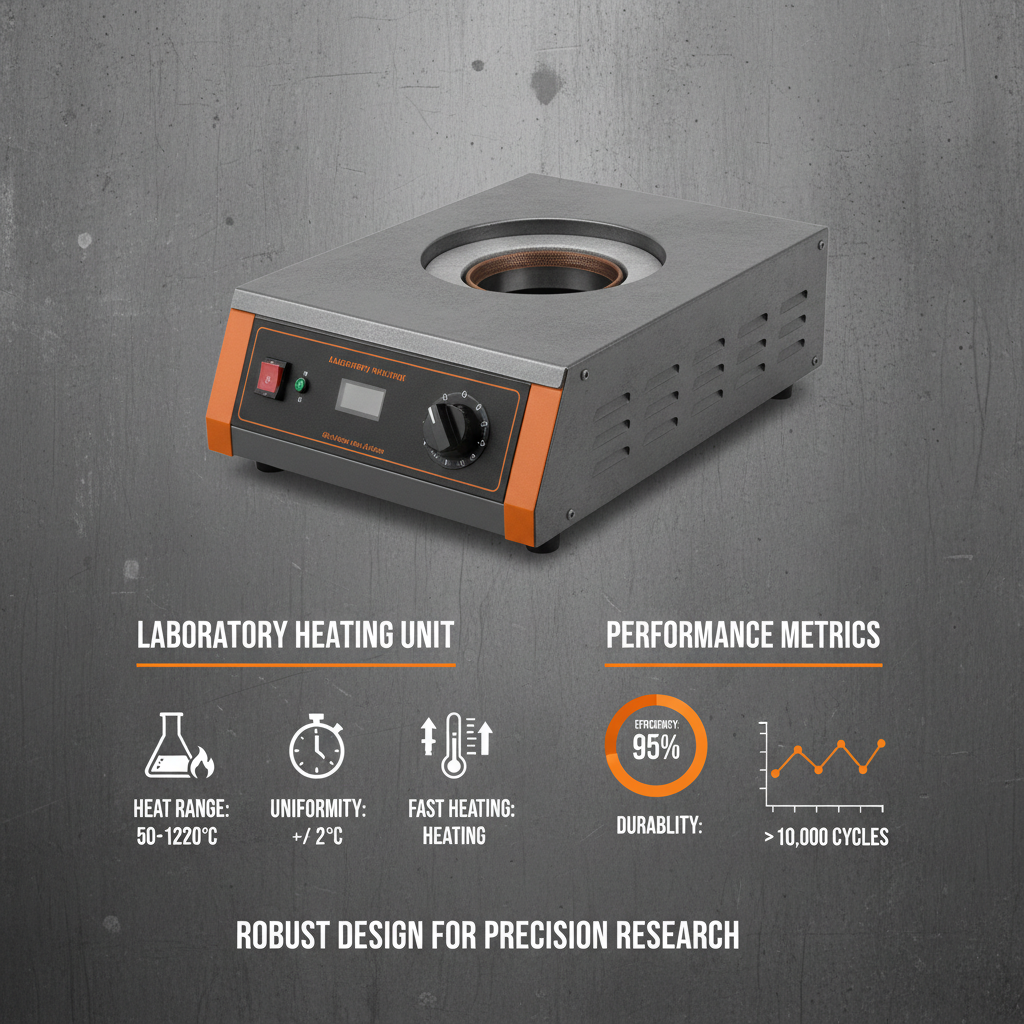
Safety Considerations for Using Laboratory Heating Stoves
Safety is paramount when operating laboratory heating stoves. Always wear appropriate personal protective equipment (PPE), including heat-resistant gloves and safety glasses. Ensure the stove is placed on a stable, heat-resistant surface away from flammable materials. Never leave a heating stove unattended while in operation. Regularly inspect the stove for any signs of damage or malfunction. Follow the manufacturer's instructions for operation and maintenance. Proper training is essential for all personnel using heating stoves in the laboratory. CZLabInstrument's heating stoves are designed with multiple safety features to protect users and their experiments.
Conclusion: Investing in the Right Heating Stove for Your Lab
Choosing the right heating stove for laboratory applications is crucial for accurate results, efficient workflows, and a safe working environment. By carefully considering your specific needs and the factors outlined in this guide, you can select a stove that meets your requirements and delivers long-term value. Don't compromise on quality and safety – invest in a reliable heating stove from a trusted supplier like CZLabInstrument.
Frequently Asked Questions (FAQs)
What temperature range should I look for in a laboratory heating stove?
The ideal temperature range depends on your applications. If you're primarily drying samples, a temperature range of up to 200°C might suffice. For sterilization or more demanding chemical reactions, you may need a stove capable of reaching 300°C or higher. Always check the temperature requirements of your specific experiments and choose a stove that can accommodate them safely and accurately. Consider also the temperature control accuracy, not just the maximum temperature. A stove that boasts a wide range but poor accuracy is less useful than one with a narrower range but precise control.
How important is chamber size when selecting a heating stove?
Chamber size is a crucial consideration. It needs to be large enough to accommodate your largest samples or batches without overcrowding. Overcrowding can lead to uneven heating and inaccurate results. However, a chamber that is too large can be less energy efficient and may take longer to reach the desired temperature. Assess your typical sample sizes and choose a chamber that provides adequate space for optimal heating performance.
What safety features should I prioritize?
Prioritize safety features such as over-temperature protection, which automatically shuts off the stove if it exceeds a preset temperature limit. Look for stoves with robust construction, reliable door seals, and clear warning indicators. A stable base and heat-resistant exterior are also important. Regular inspection and maintenance are essential to ensure these safety features continue to function properly. Always follow the manufacturer's safety guidelines.
What is the difference between a heating stove and an oven?
While both heating stoves and ovens use heat, they serve different purposes. Heating stoves generally focus on providing a consistent temperature for reactions or processes, often with more precise temperature control. Laboratory ovens are typically used for drying, sterilizing, and baking samples, and may reach higher temperatures. Heating stoves are designed for controlled heating, while ovens are optimized for drying and sterilization.


