
Comprehensive Guide to the Automatic Vicat Apparatus for Cement Testing
Automatic Vicat Apparatus: A Comprehensive Guide
The Automatic Vicat Apparatus is a crucial instrument for determining the setting time of cement and other cementitious materials. This is a fundamental test in the construction industry, ensuring the quality and performance of concrete and related products. This article will provide a detailed overview of this equipment, its applications, working principles, features, and why choosing a reliable supplier like CZ Lab Instrument is essential. Understanding this apparatus is vital for quality control in cement production and construction material testing.
Understanding the Principle of the Vicat Apparatus
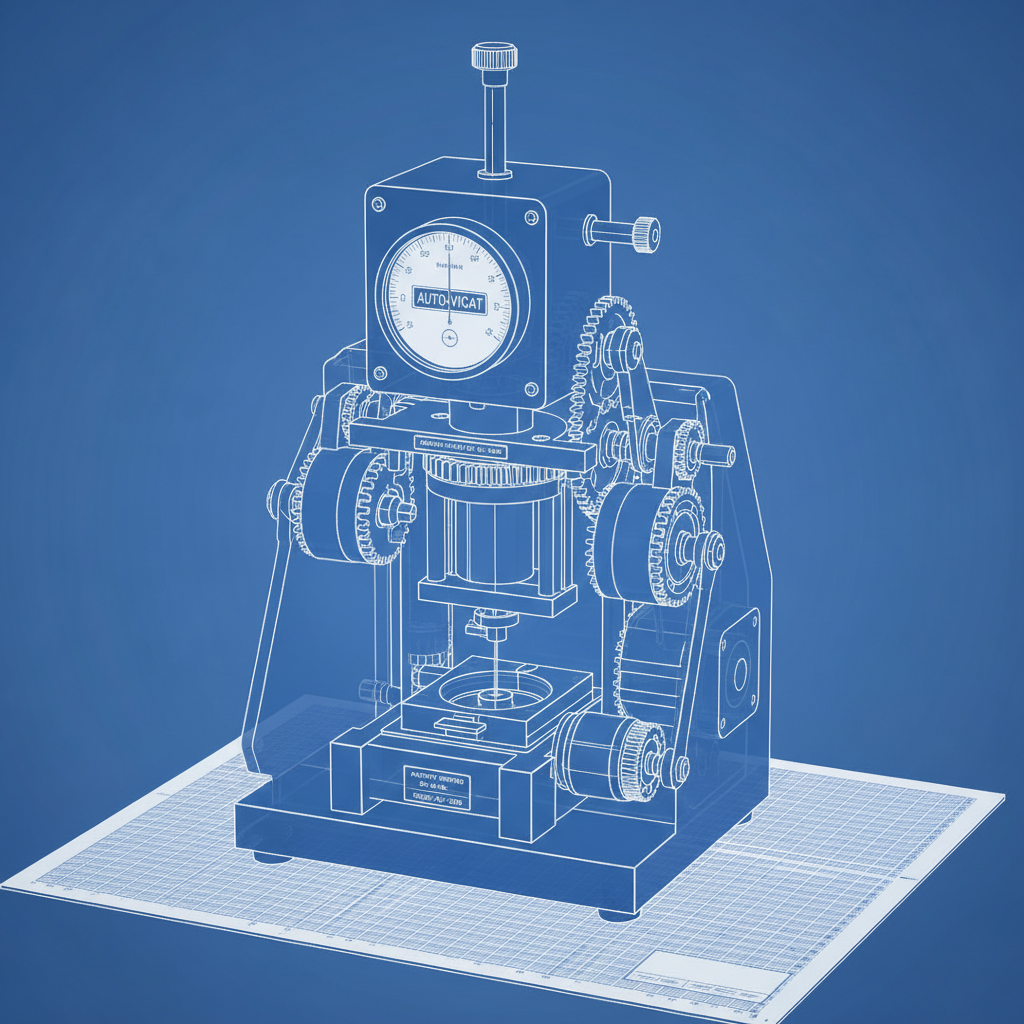
The Vicat apparatus operates on the principle of measuring the penetration resistance of a cement paste. A weighted needle is lowered onto the surface of the paste, and the depth of penetration is recorded. As the cement sets, the resistance to penetration increases, and the point at which the needle can no longer penetrate a specific distance is considered the initial setting time. The final setting time is determined by observing the impression left by the needle on the paste. The automatic version greatly simplifies this process and improves accuracy through automated data collection and control.
Key Benefit: Automated data collection minimizes human error and provides more reliable setting time measurements.
Applications of the Automatic Vicat Apparatus
The Automatic Vicat Apparatus finds extensive application in various settings. Primarily, it’s used in cement manufacturing plants for quality control during the production process. Construction material testing laboratories employ it to verify the setting characteristics of cement used in building projects. Research institutions utilize the apparatus for studying cement hydration and developing new cement formulations. The accurate and reliable data provided by the apparatus is critical for ensuring the structural integrity and longevity of concrete structures.
Common Applications:
• Cement manufacturing quality control
• Construction material testing
• Cement research and development
• Assessing cement setting times for specific project requirements
Automatic Vicat Apparatus vs. Manual Vicat Apparatus: A Comparison
While both automatic and manual Vicat apparatuses serve the same fundamental purpose, the automatic version offers significant advantages. Manual testing is prone to subjective interpretation and human error, especially in determining the precise point of penetration. Automatic models eliminate these issues through precise sensors and automated data logging. The time savings associated with automated testing are also substantial, making it ideal for high-volume testing scenarios. Choosing the right apparatus depends on your testing needs and budget.
Key Features of CZ Lab Instrument's Automatic Vicat Apparatus
CZ Lab Instrument offers a state-of-the-art Automatic Vicat Apparatus designed for precision and reliability. Key features include a user-friendly interface, programmable testing parameters, and precise temperature control. The apparatus is constructed from high-quality materials ensuring durability and long-term performance. Data can be easily exported for analysis and reporting. We prioritize providing instruments that meet the highest industry standards.

Choosing the Right Supplier: Why CZ Lab Instrument?
Selecting a reputable supplier is paramount when investing in laboratory equipment. CZ Lab Instrument is a leading provider of testing equipment, renowned for its commitment to quality, reliability, and customer support. We offer competitive pricing, comprehensive warranties, and expert technical assistance. Our team is dedicated to helping you find the perfect solution for your specific testing needs. We also provide installation, training, and maintenance services to ensure your apparatus operates at peak performance.
Conclusion: Invest in Accurate and Reliable Testing
The Automatic Vicat Apparatus from CZ Lab Instrument is an essential tool for any laboratory involved in cement and concrete testing. Its precision, automation, and reliability ensure accurate and efficient results, contributing to the quality and safety of construction projects. Contact us today to learn more about our products and services.
Frequently Asked Questions (FAQs)
What type of cement can be tested with the Automatic Vicat Apparatus?
The Automatic Vicat Apparatus is versatile and can be used to test a wide range of cement types, including Ordinary Portland Cement (OPC), Portland Pozzolana Cement (PPC), Portland Slag Cement (PSC), and various other specialized cements. The apparatus measures the setting time of the cement paste, which is a crucial parameter for all cement types. The user can adjust the testing parameters to accommodate the specific requirements of each cement type. Ensuring accurate and consistent results across different cement formulations is a key benefit of using an automated system like the one offered by CZ Lab Instrument.
How does temperature control affect the Vicat test results?
Temperature significantly influences the rate of cement hydration and, consequently, the setting time. Higher temperatures accelerate the setting process, while lower temperatures delay it. The Automatic Vicat Apparatus from CZ Lab Instrument incorporates precise temperature control to maintain a consistent testing environment, typically around 20°C. This ensures that the results are reliable and comparable. Maintaining a stable temperature is critical for obtaining accurate and reproducible setting time measurements.
What maintenance is required for the Automatic Vicat Apparatus?
Regular maintenance is essential for ensuring the longevity and accuracy of the Automatic Vicat Apparatus. This includes cleaning the apparatus after each use, lubricating moving parts, and periodically calibrating the sensors. CZ Lab Instrument provides detailed maintenance manuals and offers maintenance services to help you keep your apparatus in optimal condition. Following the recommended maintenance schedule will minimize downtime and ensure reliable performance.
What data is typically reported from a Vicat test?
The primary data reported from a Vicat test includes the initial setting time and the final setting time. The initial setting time is the time it takes for the cement paste to lose its plasticity, and the final setting time is the time it takes for the paste to become hard and rigid. This data is crucial for determining the workability and strength development of cement. The automatic apparatus automatically records this data and generates reports, simplifying the data analysis process.


