
Comprehensive Guide to the Vicat Needle Apparatus and its Applications
Understanding the Vicat Needle Apparatus: A Comprehensive Guide
The Vicat Needle Apparatus is a crucial piece of laboratory equipment used to determine the softening point of thermoplastic materials. Widely employed in quality control and materials testing, it provides vital information for engineers and researchers. This article will delve into the principles, applications, features, and benefits of the Vicat apparatus, offering a thorough understanding for those involved in polymer science and related fields. Accurate determination of softening point is fundamental for material selection and ensuring product performance in various applications.
Principles of Operation: How the Vicat Test Works
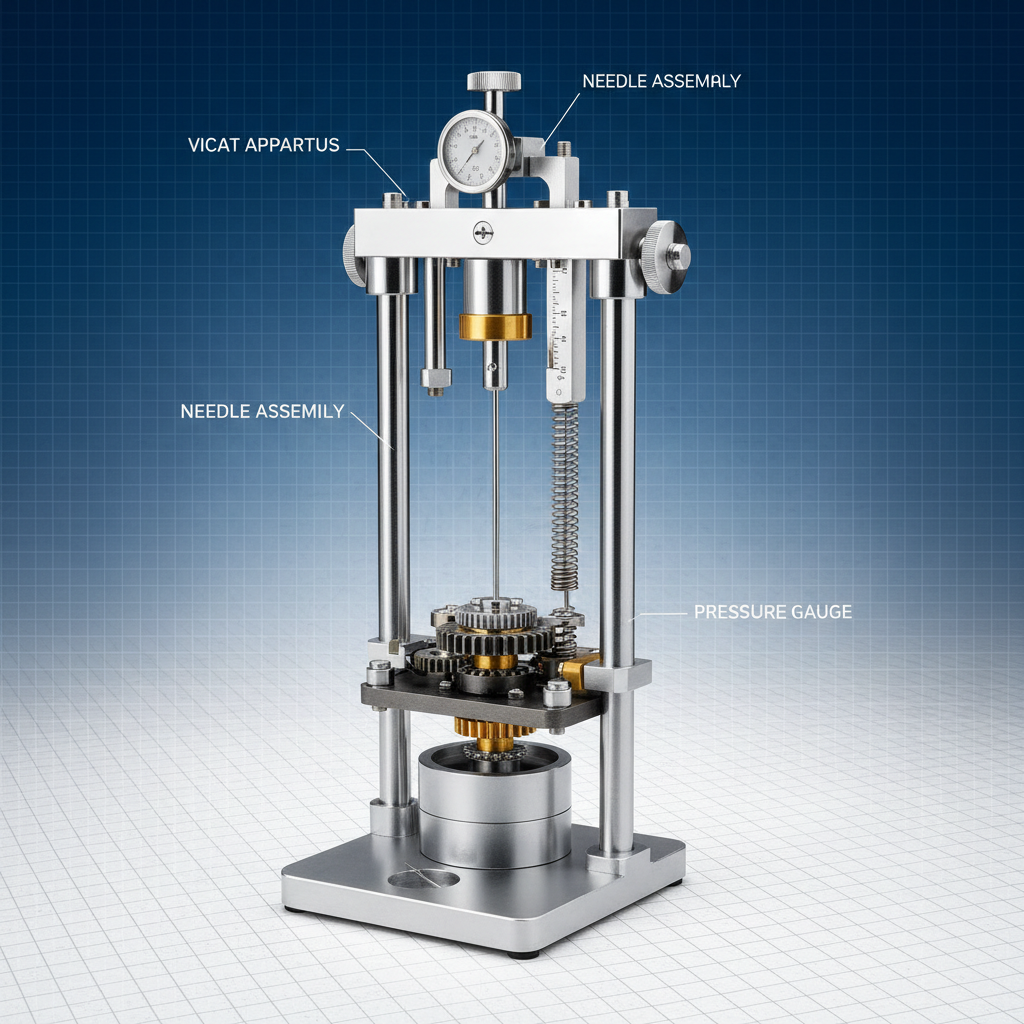
The Vicat test assesses the temperature at which a standardized needle penetrates a thermoplastic sample under a specific load. The apparatus gradually increases the temperature, and the temperature at which the needle penetrates a predefined depth into the material is recorded as the Vicat softening point. This method conforms to standards like ISO 306 and ASTM D1525. The test's simplicity and reliability make it an industry standard for evaluating the heat resistance of plastics, resins, and other thermoplastic materials. Understanding the process involves controlling temperature precisely and observing the point of penetration, crucial for accurate data acquisition.
Key Highlights: The Vicat test measures the temperature at which a needle penetrates a thermoplastic sample under a specific load. This test conforms to ISO 306 and ASTM D1525 standards.
Applications of the Vicat Needle Apparatus
The Vicat Needle Apparatus finds application in a wide array of industries. It is essential for quality control in plastics manufacturing, ensuring that materials meet specified softening point requirements. It's also used extensively in research and development for characterizing new polymers and assessing the impact of additives and processing conditions. Industries such as automotive, packaging, construction, and consumer goods rely on Vicat testing for material selection and product design. Proper material assessment through this method aids in guaranteeing product integrity and lifespan.
Vicat Needle Apparatus: Key Features & Specifications
Modern Vicat Needle Apparatus units often incorporate digital temperature control, automated penetration detection, and data logging capabilities. Precise control of heating rate and load application is paramount for accurate results. Key features typically include a water bath or oil bath for uniform heating, a standardized needle made of specific materials, and a weighted penetration mechanism. Let's look at a typical specification table:
Vicat vs. Other Softening Point Tests: A Comparison
While several methods exist for determining softening point, the Vicat test differs from others like the Ball Indentation Method or the Ring & Ball method. The Vicat test utilizes a controlled penetration, providing a clear, quantifiable measurement. The Ball Indentation method, for example, measures the depth of indentation by a ball under a specific load, whereas the Ring & Ball determines the temperature at which a steel ball passes through a specific opening. The Vicat test is often preferred for its relative simplicity, accuracy, and adherence to internationally recognized standards.
Maintaining and Calibrating your Vicat Needle Apparatus
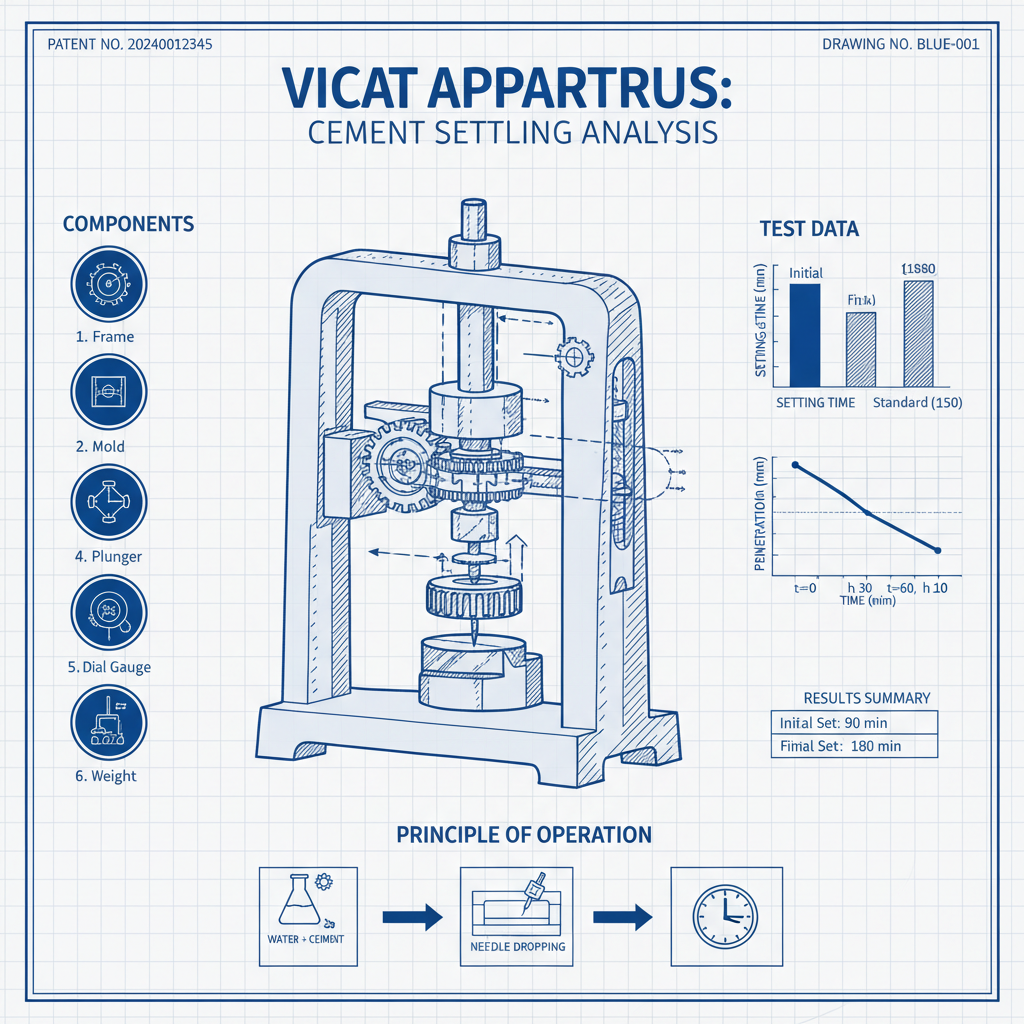
Regular maintenance is critical for ensuring the accuracy and longevity of your Vicat Needle Apparatus. This includes cleaning the apparatus after each use, verifying the temperature calibration regularly, and inspecting the needle for wear or damage. Following the manufacturer's guidelines for calibration and maintenance is essential. Using certified reference materials can assist in verifying the accuracy of the temperature readings. Proper care will ensure reliable performance and consistent results.
Conclusion: Investing in Accurate Material Testing
The Vicat Needle Apparatus is an indispensable tool for anyone involved in polymer characterization and quality control. By understanding its principles, applications, and maintenance requirements, you can ensure accurate and reliable results, leading to improved product development and enhanced material selection. Invest in a high-quality apparatus and maintain it diligently to unlock its full potential.
Frequently Asked Questions (FAQs)
What types of materials can be tested with the Vicat apparatus?
The Vicat apparatus is primarily designed for testing the softening point of thermoplastic materials. This includes a wide range of polymers such as polyethylene (PE), polypropylene (PP), polyvinyl chloride (PVC), polystyrene (PS), polymethyl methacrylate (PMMA), and various engineering plastics. It's less suitable for thermosetting polymers, which undergo irreversible chemical changes upon heating and do not exhibit a distinct softening point. However, some modifications to the test procedure can be made to assess the heat deflection temperature of certain thermosets.
What is the importance of sample preparation for the Vicat test?
Proper sample preparation is crucial for obtaining accurate and reliable results. The sample should be of a uniform thickness and free from any defects, such as voids or cracks. The dimensions must conform to the requirements specified in the relevant test standard (ISO 306 or ASTM D1525). Consistent sample thickness is particularly important as it directly affects the penetration resistance of the material. The surface of the sample should be clean and dry to ensure proper contact with the needle.
How often should the Vicat needle be replaced?
The Vicat needle should be replaced when it shows signs of wear or damage, such as blunting, deformation, or corrosion. Regularly inspect the needle tip using a magnifying glass. A damaged needle can significantly affect the accuracy of the test results. The frequency of replacement depends on the frequency of use and the types of materials being tested. As a general guideline, it's recommended to replace the needle after testing a certain number of samples or at least annually, even if no visible damage is apparent. You can find replacement needles at CZ Lab Instrument.
What safety precautions should be taken when operating the Vicat apparatus?
The Vicat apparatus involves working with hot liquids (water or oil) and heated components. Always wear appropriate personal protective equipment (PPE), including heat-resistant gloves, safety glasses, and a lab coat. Be careful when handling hot materials to avoid burns. Ensure that the apparatus is properly grounded to prevent electrical hazards. Do not touch the heating elements or the hot sample during the test. Follow all safety guidelines provided in the manufacturer's manual.


