
Comprehensive Guide to the Concrete Rebound Test Hammer and its Applications
Understanding the Concrete Rebound Test Hammer: A Comprehensive Guide
The concrete rebound test hammer, also known as a Schmidt hammer, is an indispensable tool for non-destructive testing of concrete compressive strength. Used extensively in construction, civil engineering, and material testing, this device provides a quick and relatively inexpensive assessment of concrete quality. This article will delve into the principles, applications, interpretation of results, and considerations when selecting a concrete rebound hammer. Accurate assessment of concrete strength is crucial for ensuring structural integrity and safety, and the rebound hammer plays a vital role in this process.
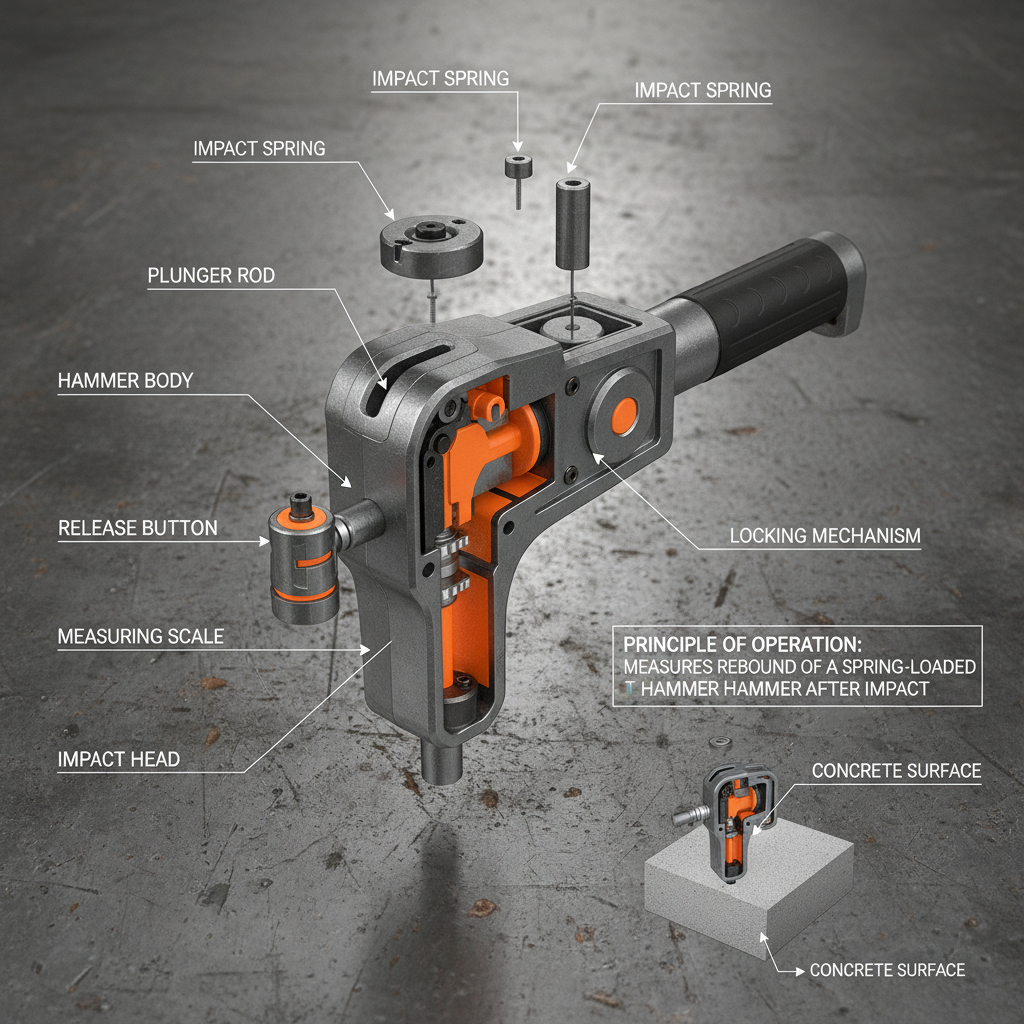
How Does a Concrete Rebound Test Hammer Work?
The principle behind the rebound hammer is based on the elasticity of the concrete surface. A spring-loaded mass is propelled against the concrete surface, and the distance the mass rebounds is measured on a scale. The rebound number is an indication of the concrete's surface hardness, which is correlated to its compressive strength. Higher rebound numbers generally indicate harder concrete and higher compressive strength. It’s important to note that the test measures surface hardness, which isn’t always directly representative of the concrete’s bulk strength, but it offers a useful comparative assessment. The CZLab rebound test hammers are designed for accurate and repeatable results.
Key Points: The rebound number correlates to concrete surface hardness, providing an indication of compressive strength. Higher rebound numbers generally indicate stronger concrete.
Applications of the Concrete Rebound Test Hammer
The concrete rebound hammer finds application in numerous scenarios:
• Quality Control: Assessing the consistency of concrete during and after pouring.
• Existing Structure Evaluation: Evaluating the strength of concrete in existing buildings and infrastructure.
• Damage Assessment: Identifying areas of weakened concrete due to deterioration or impact.
• Comparative Testing: Comparing the relative strength of different concrete mixes.
• Non-Destructive Testing: Providing strength assessment without damaging the structure.
The concrete rebound test hammer from CZLab is a reliable tool for a variety of these applications.
Application Benefits:
• Quick and easy to use.
• Non-destructive testing method.
• Cost-effective compared to core sampling.
• Portable and suitable for on-site testing.
Concrete Rebound Test Hammer: Factors Affecting Accuracy
Several factors can influence the accuracy of rebound hammer tests. These include the concrete's surface smoothness (rough surfaces yield lower readings), moisture content, age, and the presence of carbonation. Multiple readings should be taken at different locations on the same surface, and the average value should be used. It's also crucial to calibrate the hammer regularly using a standard steel anvil. Environmental conditions, such as temperature, can also have a minor effect. The CZLab provides guidance on proper calibration and testing procedures.
Selecting the Right Concrete Rebound Test Hammer
CZLab offers a range of rebound hammers to suit different applications and budgets. Factors to consider include the impact energy (measured in joules), the range of the rebound scale, and the digital or analog display. Digital hammers offer greater accuracy and data logging capabilities, while analog hammers are more affordable and simpler to use. Consider the types of concrete you'll be testing and the level of precision required. The CZLab expert team can help you choose the optimal hammer for your needs.
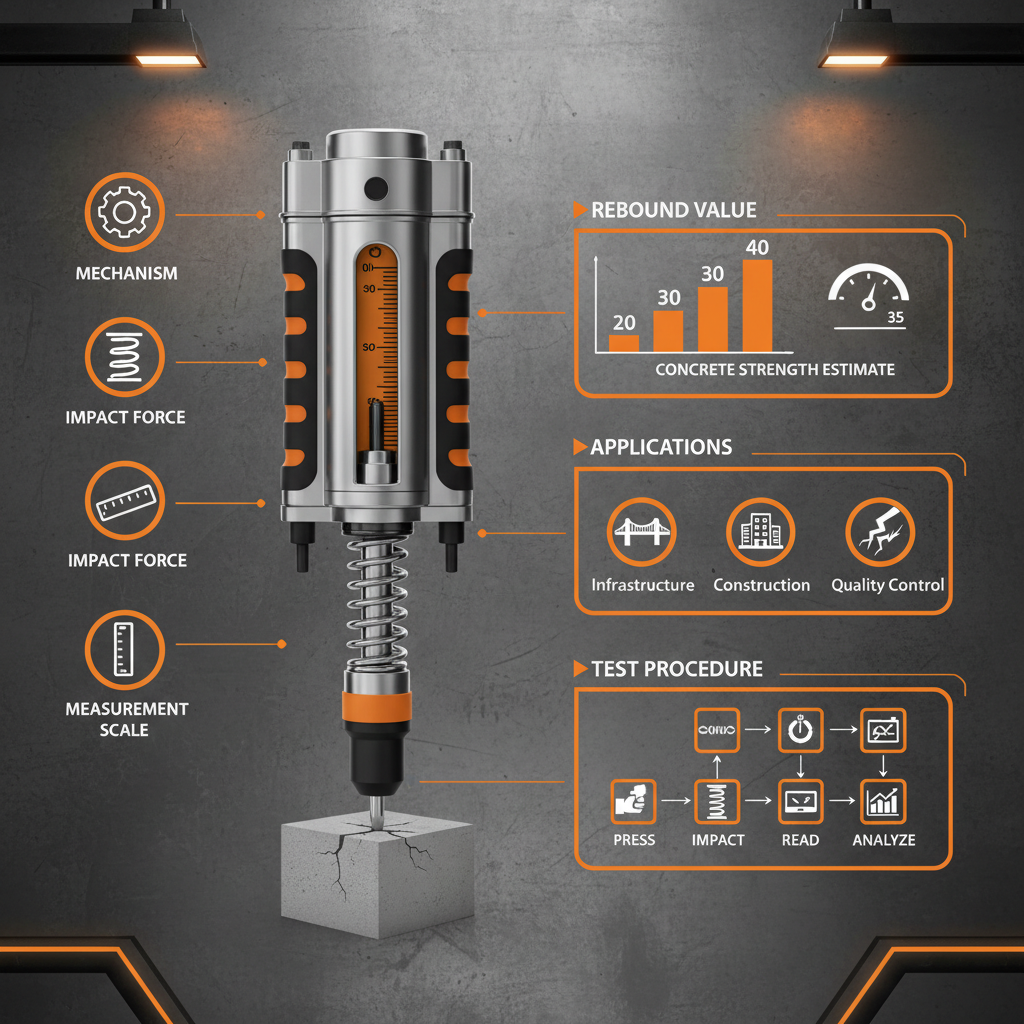
CZLab Concrete Rebound Test Hammer Specifications
Here’s a quick overview of our standard model:
Conclusion: Reliable Concrete Assessment with CZLab
The concrete rebound test hammer is a vital tool for assessing concrete strength in a variety of applications. Choosing a high-quality hammer from a reputable manufacturer like CZLab ensures accurate and reliable results. By understanding the principles of operation, potential influencing factors, and proper testing procedures, you can effectively utilize this tool to ensure the safety and durability of concrete structures.
Frequently Asked Questions (FAQs)
What is a typical range of rebound numbers for normal concrete?
Typical rebound numbers for normal concrete range from 20 to 60, but this varies significantly with concrete strength. Higher strength concrete (e.g., 40-50 MPa) generally yields rebound numbers in the upper 40s to low 60s. Lower strength concrete (e.g., 20-30 MPa) will typically show rebound numbers in the 20s to 40s. It's crucial to establish a correlation curve between rebound number and compressive strength for the specific concrete mix being tested. Remember that rebound number is an index of strength and requires calibration with core samples for accurate determination of compressive strength.
How often should the rebound hammer be calibrated?
The rebound hammer should be calibrated before each day of use, or more frequently if it's subjected to rough handling or significant changes in temperature. Calibration involves checking the hammer's reading on a standard steel anvil with a known rebound value. Adjustments are made as necessary to ensure the hammer provides accurate readings. CZLab recommends keeping a calibration log to track the hammer's performance over time.
Can rebound hammer tests be used to determine the strength of all types of concrete?
Rebound hammer tests are most reliable for testing concrete that is relatively homogenous and free of significant surface irregularities. They are less accurate for lightweight concrete, concrete with a rough or scaled surface, or concrete that has been significantly damaged. In these cases, core sampling and laboratory testing are generally recommended. It's essential to understand the limitations of the rebound hammer and use it appropriately.
What safety precautions should be taken when using a rebound hammer?
Always wear appropriate personal protective equipment (PPE), including safety glasses, when using a rebound hammer. Ensure the testing surface is stable and free of obstructions. Avoid striking the concrete at an angle, as this can damage the hammer and produce inaccurate readings. Be aware of your surroundings and avoid disturbing other workers in the area.


