
Comprehensive Guide to Vacuum Dryer Technology and Industrial Applications
Understanding Vacuum Dryers: A Comprehensive Guide
Vacuum dryers are essential pieces of equipment used across various industries, from pharmaceutical and chemical processing to food production and research. They provide a controlled environment for removing moisture from materials, resulting in higher quality products and optimized processes. This article provides a detailed exploration of vacuum dryers, covering their principles of operation, applications, benefits, and key considerations when choosing the right model. Ensuring a stable, efficient drying process is vital for preserving the integrity of sensitive materials, and vacuum drying technology delivers precisely that.
How Do Vacuum Dryers Work?
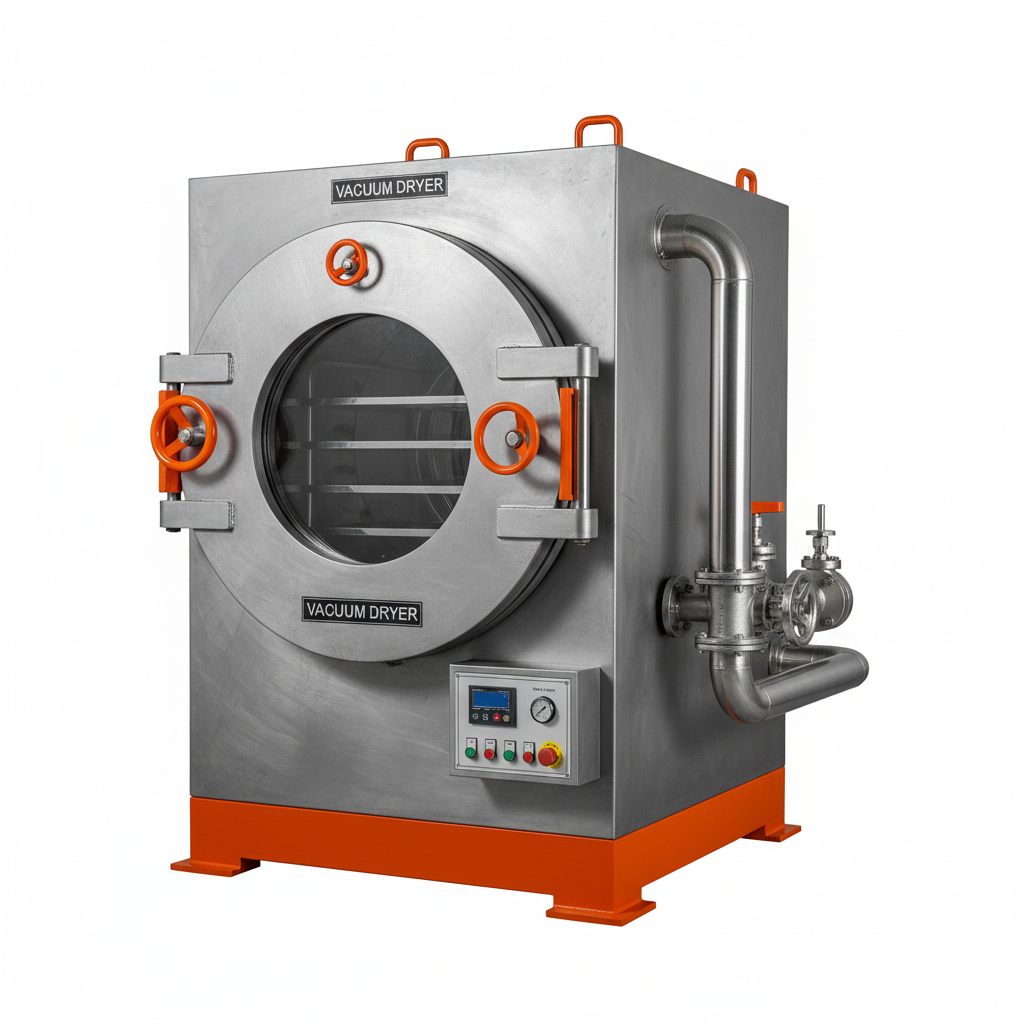
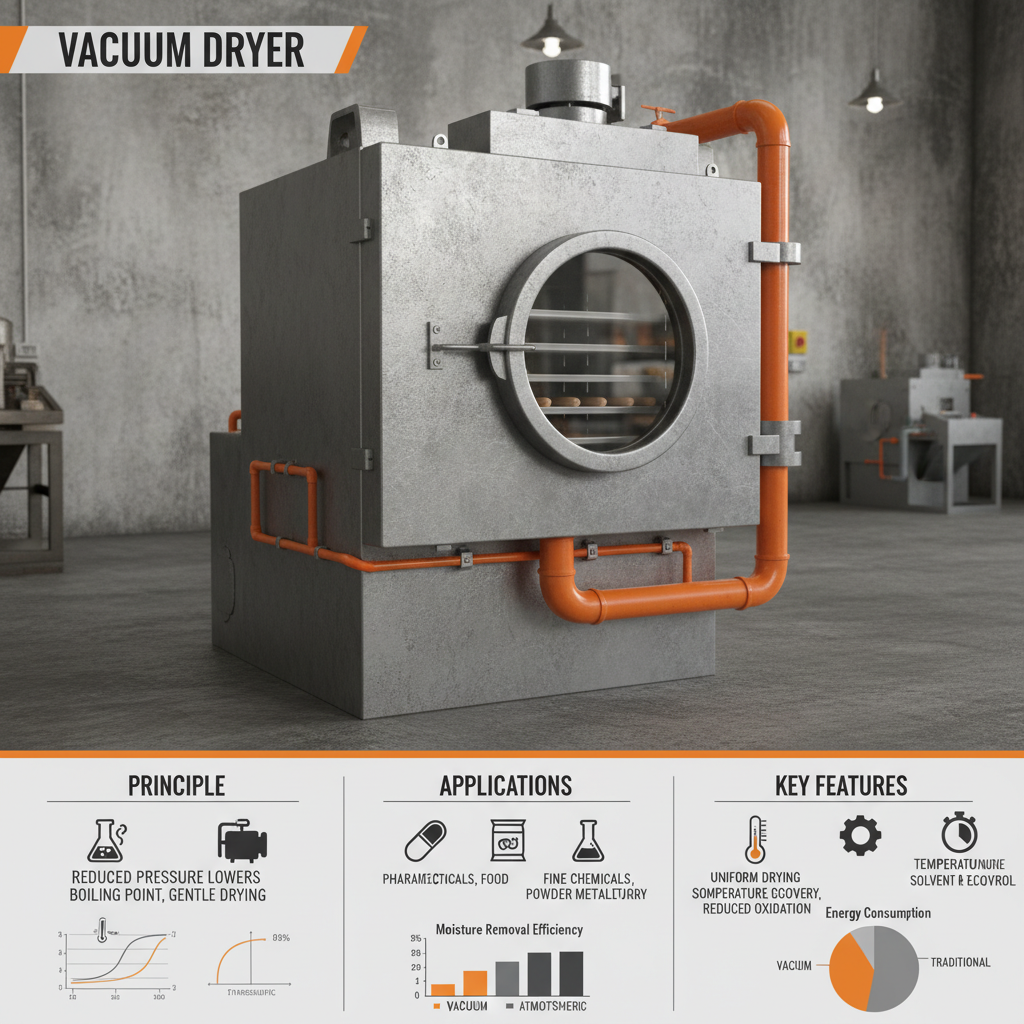
The core principle behind vacuum drying is reducing the surrounding pressure to lower the boiling point of liquids. By creating a vacuum within the drying chamber, the material can be dried at significantly lower temperatures than traditional methods. This is particularly beneficial for heat-sensitive substances that could degrade or change composition with excessive heat exposure. The process typically involves placing the material in a sealed chamber, reducing the pressure using a vacuum pump, and then applying gentle heat. The evaporated moisture is then removed from the chamber, often through a condenser or other collection system.
Key Benefits: Lower drying temperatures, reduced degradation of heat-sensitive materials, improved product quality, and faster drying times.
Applications of Vacuum Dryers Across Industries
Vacuum dryers are versatile tools employed in a wide range of industries. In the pharmaceutical sector, they’re used to dry active pharmaceutical ingredients (APIs) and intermediates, ensuring product stability and efficacy. The food industry utilizes them for drying fruits, vegetables, and other food products, preserving flavor and nutritional value. Chemical manufacturers rely on vacuum dryers for processing polymers, resins, and other sensitive chemicals. Research laboratories also benefit from their precision and control, enabling the accurate preparation of samples and materials. CZLab Instrument provides solutions tailored to these diverse needs.
Industry Applications:
• Pharmaceutical: API Drying, Intermediate Drying
• Food Processing: Fruit & Vegetable Drying, Preservation
• Chemical: Polymer Drying, Resin Processing
• Research: Sample Preparation, Material Drying
Choosing the Right Vacuum Dryer: Key Considerations
Selecting the appropriate vacuum dryer requires careful consideration of several factors. The type of material being dried, the desired drying rate, batch size requirements, and budget all play a crucial role. Different dryer designs, such as rotary vacuum dryers, tray vacuum dryers, and conical vacuum dryers, are suited to different applications. Furthermore, features like temperature control, vacuum level, and automation capabilities should be assessed based on specific process needs. It's also vital to consider the manufacturer's reputation and after-sales support.
Benefits of Utilizing Vacuum Drying Technology
The advantages of using vacuum dryers extend beyond simply removing moisture. The low-temperature drying process helps to preserve the original characteristics of the material, minimizing degradation and maximizing product quality. This is particularly important for thermally sensitive substances. The faster drying times compared to conventional methods also lead to increased throughput and reduced production costs. Finally, vacuum drying offers a more environmentally friendly solution by reducing energy consumption and minimizing solvent emissions.
Product Specifications & CZLab Instrument Vacuum Dryers
At CZLab Instrument, we offer a comprehensive range of vacuum dryers designed to meet diverse industrial needs. Our dryers are characterized by their robust construction, precise temperature control, and user-friendly interfaces. We prioritize quality and reliability, ensuring our customers receive dependable equipment that delivers consistent performance.
Conclusion: Optimizing Your Processes with Vacuum Drying
Investing in a quality vacuum dryer from a trusted provider like CZLab Instrument is a strategic move for any organization seeking to enhance product quality, improve efficiency, and reduce costs. The benefits of low-temperature drying and precise control make it an invaluable tool across a wide spectrum of industries. Contact us today to discuss your specific needs and find the perfect solution for your application.
Frequently Asked Questions (FAQs)
What are the main advantages of vacuum drying over traditional drying methods?
Vacuum drying offers several key advantages. Primarily, it allows for drying at significantly lower temperatures, which is crucial for heat-sensitive materials. This prevents degradation and preserves the original properties of the substance. Additionally, the reduced pressure lowers the boiling point of liquids, accelerating the drying process. Traditional methods often require higher temperatures and longer drying times, potentially compromising product quality and increasing energy consumption. Vacuum drying also tends to result in a more uniform and complete drying process.
What types of materials are best suited for vacuum drying?
Vacuum drying is ideally suited for materials that are sensitive to heat, prone to oxidation, or require gentle handling. This includes pharmaceuticals, biochemicals, food products, polymers, and various chemical compounds. Materials with low volatility and high moisture content also benefit from vacuum drying. It's particularly effective for powders, granules, and crystalline substances, ensuring consistent and uniform drying. The process is less effective for extremely viscous materials or those that form a hard crust during drying.
How do I maintain a vacuum dryer to ensure optimal performance?
Regular maintenance is crucial for ensuring optimal performance and extending the lifespan of your vacuum dryer. This includes routinely checking and cleaning the vacuum pump, condenser, and chamber. Inspect seals and gaskets for any signs of wear or damage and replace them as needed. Ensure proper ventilation and filtration to prevent dust and debris buildup. Follow the manufacturer's recommendations for lubrication and maintenance schedules. Regularly monitoring vacuum levels and temperature readings can also help identify potential issues early on.
What safety precautions should be taken when operating a vacuum dryer?
Safety is paramount when operating a vacuum dryer. Always wear appropriate personal protective equipment (PPE), including safety glasses and gloves. Ensure the chamber is properly sealed before initiating the vacuum process. Be aware of the potential for implosion or explosion if the chamber is damaged or contains incompatible materials. Follow the manufacturer's guidelines for operating procedures and emergency shutdown protocols. Proper training and adherence to safety regulations are essential for preventing accidents and ensuring a safe working environment.


