
Advancements in Drying Technology Induction Drying Oven Applications
Understanding Induction Drying Ovens and Their Applications
In the realm of laboratory equipment, achieving efficient and precise drying is crucial for numerous scientific and industrial processes. Induction drying ovens represent a significant advancement in drying technology, offering speed, control, and energy efficiency. This article delves into the principles of operation, advantages, applications, and key considerations when selecting an induction drying oven. We'll explore how these ovens are transforming drying processes across various industries.
How Induction Drying Ovens Work: A Technological Overview
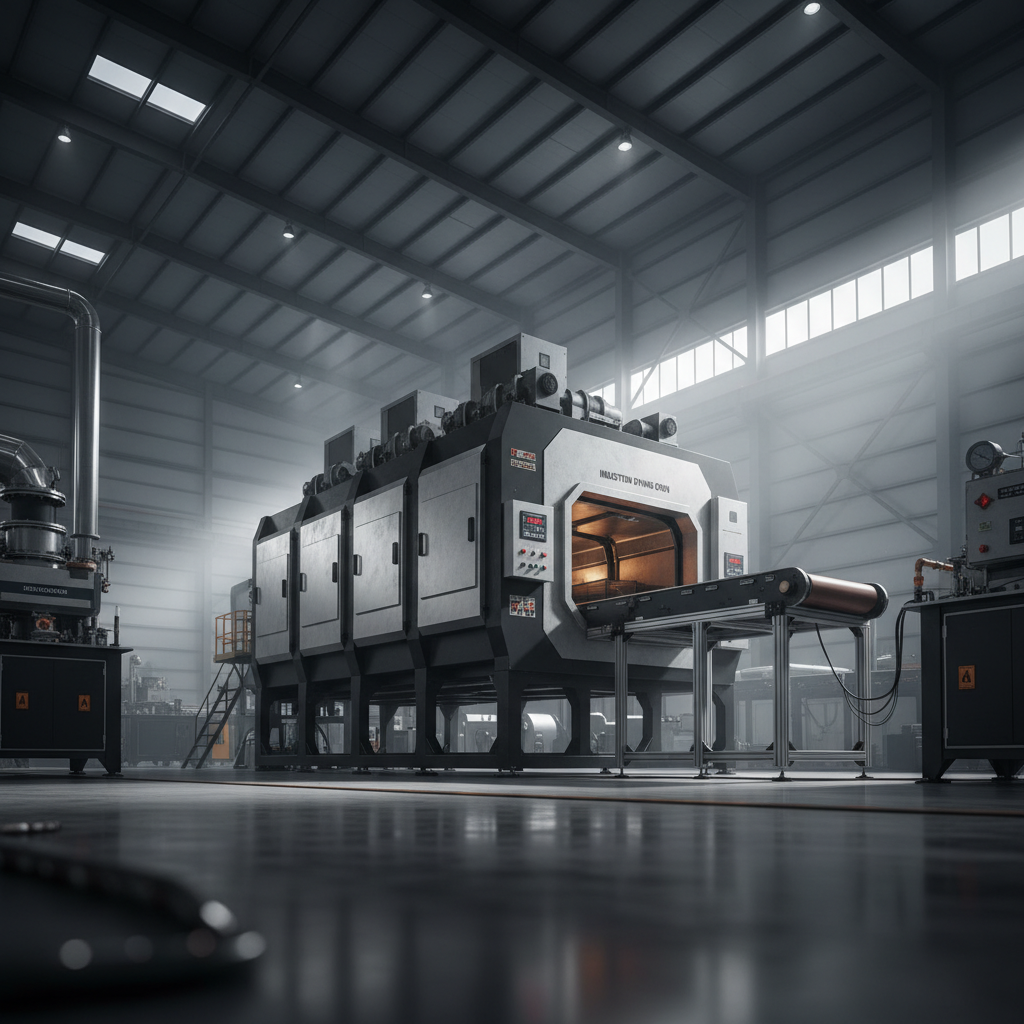
Unlike conventional ovens that rely on conductive or convective heat transfer, induction drying ovens utilize electromagnetic induction to directly heat the material being dried. An alternating magnetic field is generated, inducing eddy currents within the sample. These eddy currents generate heat internally, resulting in rapid and uniform drying. This method offers several advantages, including faster drying times, reduced energy consumption, and minimal thermal degradation of the sample. The process is highly efficient, as energy is delivered directly to the material rather than heating the surrounding air. This technology is particularly well-suited for heat-sensitive materials and volatile compounds.
Key Advantages: Faster drying times, reduced energy consumption, minimal thermal degradation, and uniform heating.
Applications of Induction Drying Ovens Across Industries
The versatility of induction drying ovens makes them indispensable in a wide array of industries. In the pharmaceutical sector, they're used for drying delicate APIs (Active Pharmaceutical Ingredients) and excipients. The food and beverage industry employs them for drying herbs, spices, and other food components while preserving their flavor and aroma. Chemical laboratories utilize these ovens for drying solvents, catalysts, and other chemical compounds. Additionally, they find application in materials science for drying coatings, polymers, and nanomaterials. The precise control and efficiency of induction drying make it ideal for processes demanding high-quality results.
Industries Utilizing Induction Drying:
• Pharmaceutical
• Food and Beverage
• Chemical
• Materials Science
Induction Drying Oven vs. Conventional Drying Methods: A Comparative Analysis
Compared to traditional drying techniques like convection ovens and vacuum ovens, induction drying ovens offer significant advantages. Convection ovens suffer from uneven heating and longer drying times, while vacuum ovens can be energy-intensive and may not be suitable for all materials. Induction drying provides faster, more uniform heating, reduced energy consumption, and minimized thermal degradation, resulting in superior product quality and efficiency. This makes it a compelling alternative for applications where precise control and gentle drying are critical.
Key Considerations When Choosing an Induction Drying Oven
Selecting the right induction drying oven requires careful consideration of several factors. Capacity is crucial – ensure the oven can accommodate your sample volume. Temperature control and precision are also vital, especially for heat-sensitive materials. Consider the materials of construction; stainless steel is often preferred for its corrosion resistance and ease of cleaning. Look for features like programmable temperature profiles, digital displays, and safety interlocks. Finally, consider the manufacturer's reputation and after-sales support. CZ Lab Instrument provides high-quality and reliable induction drying ovens designed to meet the diverse needs of laboratories and industrial facilities.
Technical Specifications and Standards Compliance
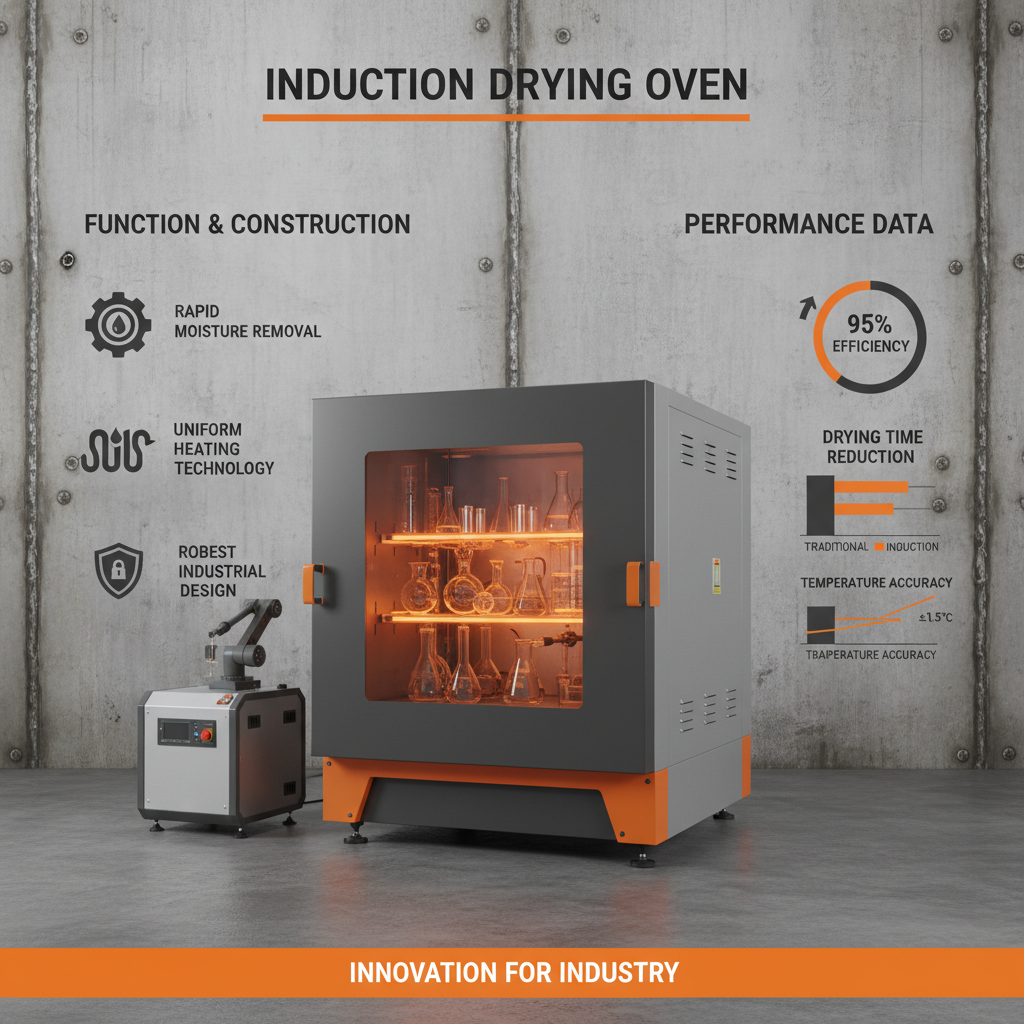
CZ Lab Instrument's induction drying ovens are engineered for precision and reliability. They adhere to rigorous safety standards, ensuring optimal performance and user safety. Key features include precise temperature control, programmable drying cycles, and robust construction. These ovens are designed for long-term durability and consistent results.
Conclusion: Embracing Efficiency with Induction Drying
Investing in an induction drying oven from CZ Lab Instrument represents a commitment to precision, efficiency, and innovation. With its rapid drying times, reduced energy consumption, and gentle treatment of materials, it's a valuable asset for any laboratory or industrial setting. Contact us today to explore our range of models and discover the benefits of induction drying for your specific application.
Frequently Asked Questions (FAQs)
What types of materials can be dried using an induction drying oven?
Induction drying ovens are highly versatile and can effectively dry a wide range of materials, including powders, granules, pastes, and liquids. They are particularly well-suited for heat-sensitive materials such as pharmaceuticals, food products, and polymers, as the process minimizes thermal degradation. Materials with high electrical conductivity are dried most efficiently, as they readily absorb the induced energy. However, even materials with lower conductivity can be dried effectively with optimized settings. It's important to consider the material's properties and adjust the drying parameters accordingly.
How does induction drying compare to freeze-drying in terms of cost and time?
Freeze-drying (lyophilization) is a more complex and significantly more expensive process than induction drying. It requires specialized equipment and a lengthy processing time. Induction drying, on the other hand, offers a more cost-effective and faster alternative for many applications. While freeze-drying is essential for preserving extremely delicate biological materials, induction drying is often sufficient for drying a wider range of materials without compromising quality. The energy consumption is also generally lower with induction drying compared to freeze-drying.
What safety features are incorporated into CZ Lab Instrument's induction drying ovens?
CZ Lab Instrument's induction drying ovens are equipped with several safety features to ensure user protection. These include temperature alarms and over-temperature protection to prevent overheating, a robust door interlock system to automatically shut off the power when the door is opened, and a grounded construction to minimize the risk of electrical shock. The ovens are also designed with a ventilation system to remove any fumes or vapors generated during the drying process. All units meet relevant safety standards and are thoroughly tested before shipment.
What is the typical energy consumption of an induction drying oven compared to a conventional oven?
Induction drying ovens typically consume significantly less energy than conventional ovens. This is because the energy is delivered directly to the material being dried, rather than heating the entire chamber. Studies have shown that induction drying can reduce energy consumption by up to 50-70% compared to traditional convection ovens. This not only lowers operating costs but also contributes to a more sustainable and environmentally friendly process.


