
Comprehensive Guide to Vertical Drying Ovens Applications and Benefits
Understanding Vertical Drying Ovens: Applications & Benefits
In numerous industries, maintaining product quality and consistency requires precise control of drying processes. A vertical drying oven is a crucial piece of equipment for achieving this, offering a controlled environment for removing moisture from various materials. This article explores the functionality, benefits, and applications of vertical drying ovens, highlighting why they are a preferred choice for laboratories and manufacturing facilities. Choosing the right drying oven can significantly impact production efficiency and product reliability. We'll dive into the key factors to consider when selecting a vertical drying oven from CZ Lab Instrument.
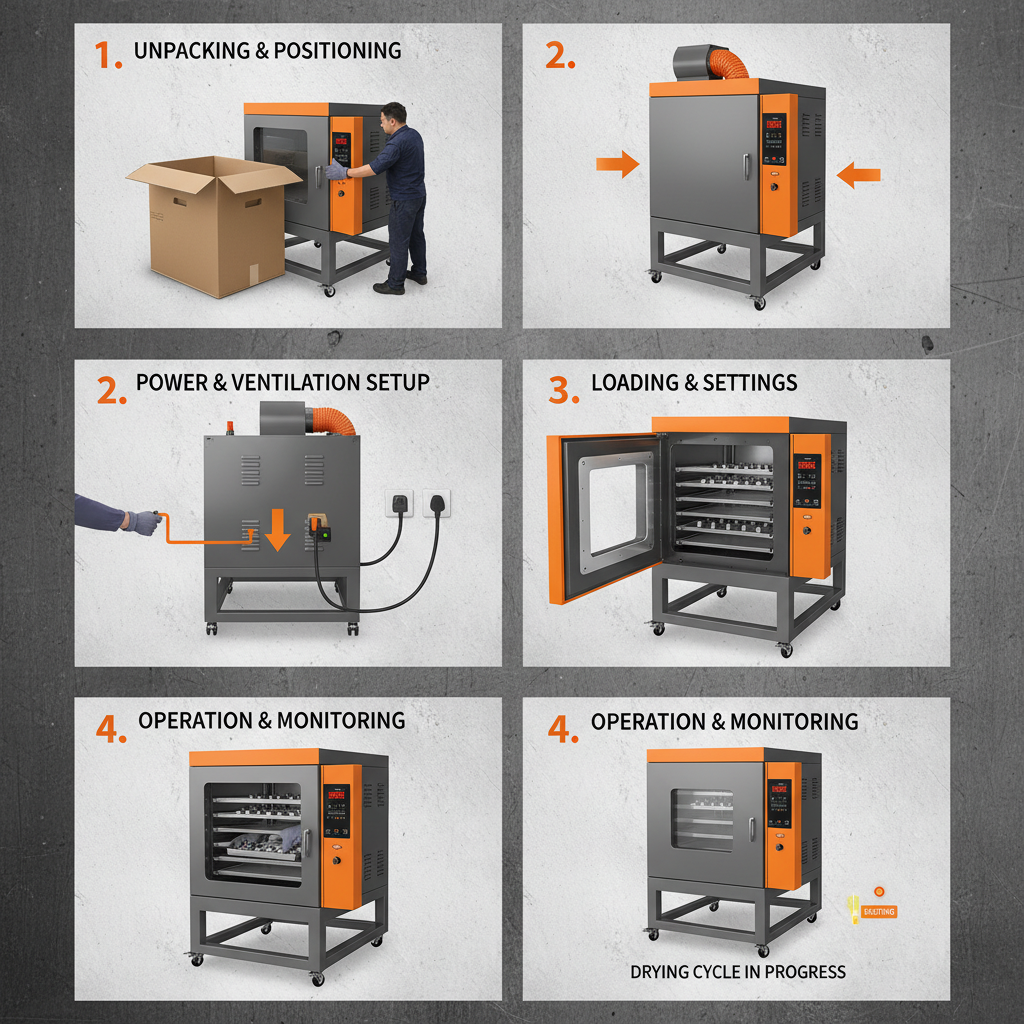
How Vertical Drying Ovens Work
Vertical drying ovens operate on the principle of convection – the transfer of heat through the circulation of air. Heated air is distributed throughout the chamber, evaporating moisture from the samples placed inside. The vertical design ensures uniform heat distribution, minimizing temperature gradients and promoting consistent drying. The ovens are typically equipped with temperature controllers and timers, allowing for precise control over the drying process. They can utilize natural convection or forced convection (using a fan) to enhance air circulation and accelerate drying times. Efficient airflow is key to removing moisture-laden air from the chamber and replacing it with dry air, ensuring an effective drying process.
Key Features: Precise temperature control, Uniform heat distribution, Adjustable timer settings, Digital display for easy monitoring, Safety features like over-temperature protection.
Applications of Vertical Drying Ovens
Vertical drying ovens are utilized across a broad spectrum of industries. In pharmaceutical research, they are essential for drying drug intermediates and final products. Food processing relies on them for moisture analysis and ingredient preparation. Chemical laboratories employ them for drying precipitates and preparing samples for analysis. Polymer science utilizes these ovens for removing solvents from polymer films and coatings. Electronics manufacturing uses them for drying printed circuit boards and components. Their versatility makes them an indispensable tool in any setting requiring controlled drying.
Common Applications:
• Pharmaceutical drying
• Food analysis
• Chemical sample preparation
• Polymer processing
• Electronics manufacturing
Vertical Drying Oven vs. Other Drying Methods
While various drying methods exist, vertical drying ovens offer several advantages over alternatives like air drying, vacuum drying, or freeze-drying. Air drying is often slow and prone to contamination. Vacuum drying can be expensive and complex. Freeze-drying requires specialized equipment and is primarily used for heat-sensitive materials. Vertical drying ovens strike a balance between efficiency, cost-effectiveness, and ease of use. They provide a controlled environment that minimizes contamination and ensures consistent drying results. The vertical configuration further enhances heat distribution and maximizes chamber space.
Choosing the Right Vertical Drying Oven from CZ Lab Instrument
When selecting a vertical drying oven, consider factors like chamber capacity, temperature range, temperature accuracy, and control features. CZ Lab Instrument offers a wide range of vertical drying ovens designed to meet diverse application requirements. Our ovens feature precise temperature control, uniform heat distribution, and robust construction for long-lasting performance. We provide ovens with varying capacities to accommodate different sample volumes and offer customizable options to meet specific needs. We ensure that all our instruments meet stringent quality standards and offer excellent value for investment.
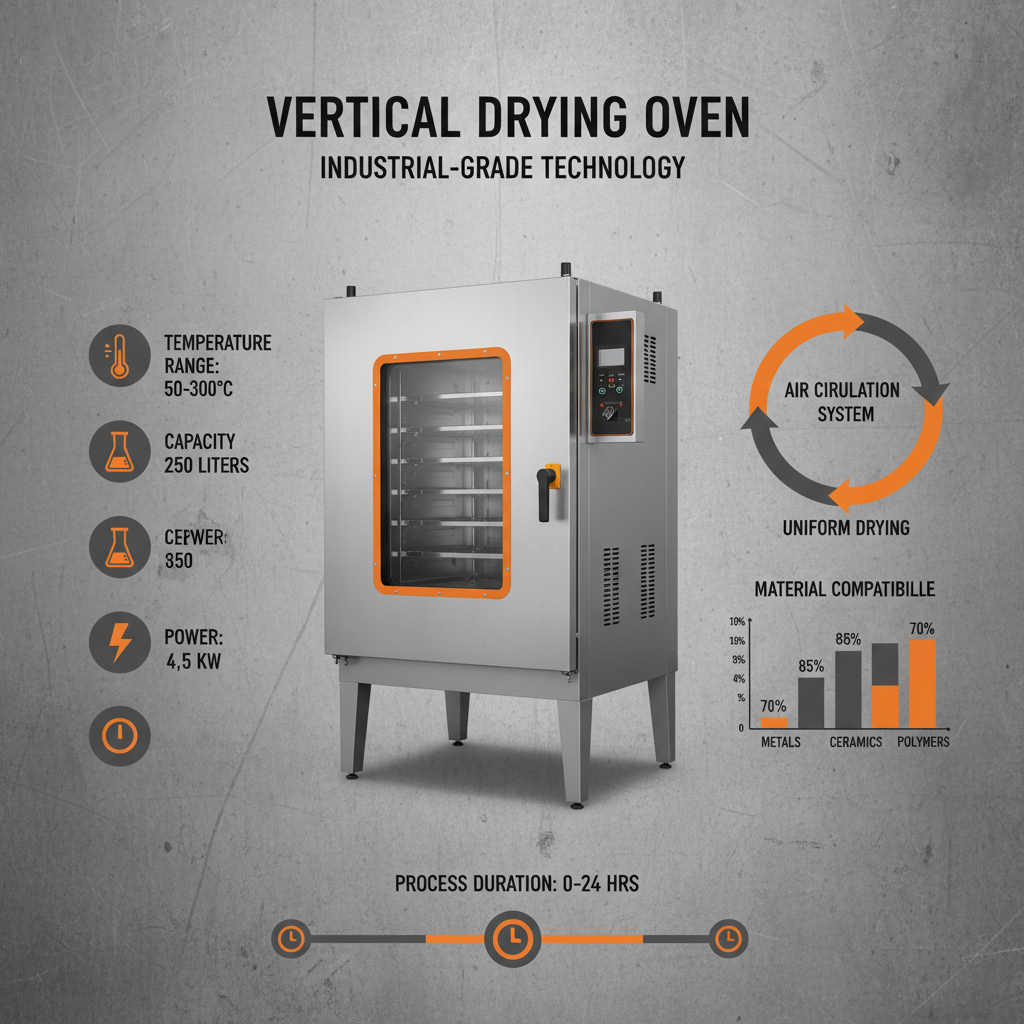
Key Specifications to Consider
Understanding the specifications of a vertical drying oven is crucial for making the right choice. Here's a quick overview of key parameters to consider:
Conclusion: Invest in Precision Drying
A vertical drying oven from CZ Lab Instrument is a valuable asset for any laboratory or industrial facility. By providing precise temperature control, uniform heat distribution, and reliable performance, these ovens contribute to consistent product quality and efficient drying processes. Investing in a quality drying oven is an investment in the accuracy and reliability of your research and production.
Frequently Asked Questions (FAQs)
What types of materials can be dried in a vertical drying oven?
Vertical drying ovens are versatile and can accommodate a wide range of materials, including powders, granules, liquids, and solids. They are commonly used for drying chemicals, pharmaceuticals, food products, polymers, and electronic components. However, it’s essential to ensure that the material is stable at the selected drying temperature and does not release hazardous fumes. Always consult the material’s safety data sheet (SDS) before drying.
How do I ensure uniform drying of samples?
To achieve uniform drying, it’s crucial to distribute samples evenly within the chamber, avoiding overcrowding. Using trays with adequate spacing between samples promotes airflow. The vertical design of the oven helps ensure uniform heat distribution, but adjusting the fan speed (if applicable) can further enhance air circulation. Regularly rotating the samples during the drying process can also contribute to more consistent results.
What safety features should I look for in a vertical drying oven?
Essential safety features include over-temperature protection, which automatically shuts off the heater if the set temperature is exceeded. A door safety switch prevents the heater from operating when the door is open. A robust construction and proper insulation minimize the risk of burns. Check that the oven complies with relevant safety standards and certifications. At CZ Lab Instrument, safety is paramount in all our designs.


