
Exploring the Capabilities and Applications of High Temperature Muffle Furnace
Understanding the Capabilities of a High Temperature Muffle Furnace
A high temperature muffle furnace is a critical piece of equipment in various scientific and industrial applications. These furnaces are designed to perform heating processes at extremely high temperatures, often exceeding 1000°C, while shielding the contents from external atmospheric contamination. This article will explore the features, applications, benefits, and selection criteria for these furnaces, providing a comprehensive guide for potential buyers and users. Understanding the nuances of these furnaces is essential for achieving precise and reliable results.
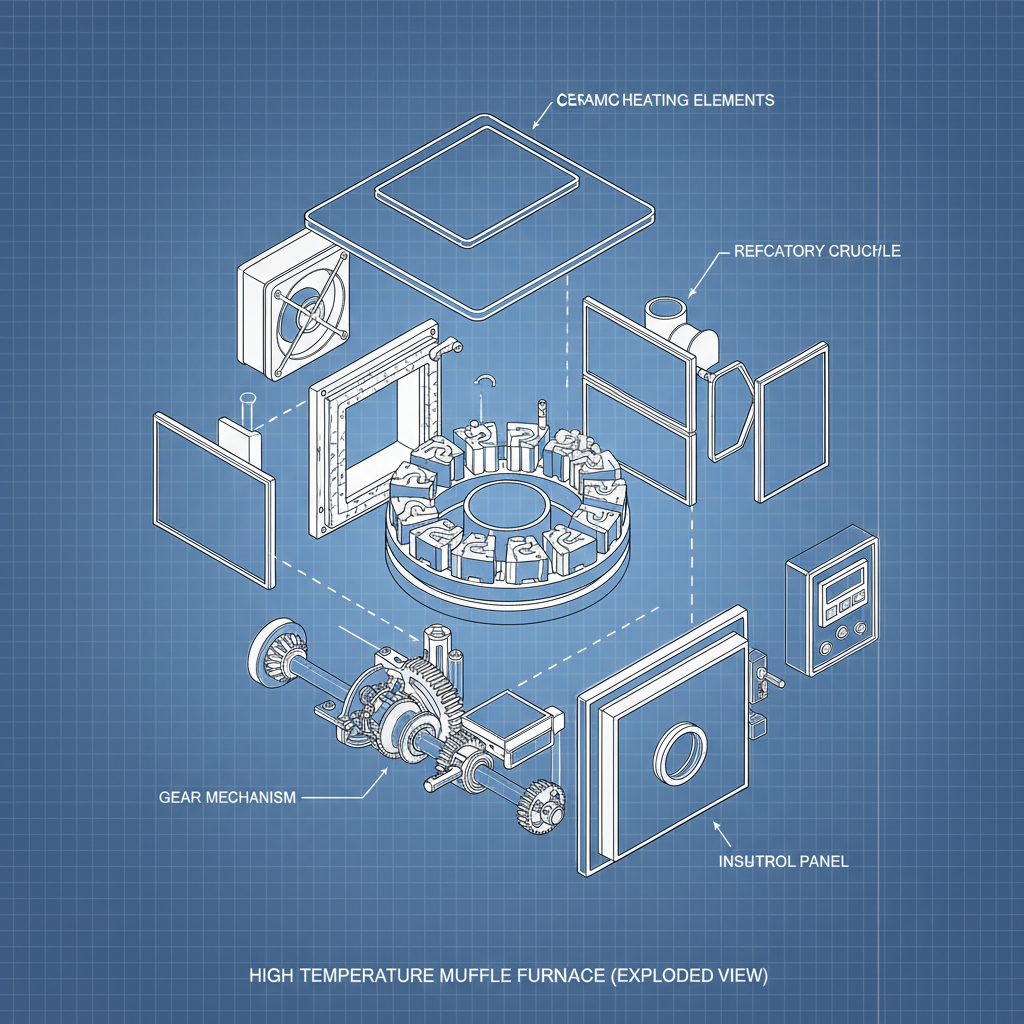
Core Features of High Temperature Muffle Furnaces
Muffle furnaces achieve high temperatures through the use of resistive heating elements, typically constructed from materials like silicon carbide (SiC) or molybdenum disilicide (MoSi2). The "muffle" refers to the chamber that encloses the heating elements, protecting the sample from direct contact with combustion gases. This containment ensures a clean heating environment. Advanced models often include programmable temperature controllers, allowing for precise temperature ramping and soaking profiles. Features like gas purging systems further enhance the atmospheric control within the chamber, crucial for specific materials processing. These furnaces are known for their thermal stability and ability to maintain consistent temperatures over extended periods.
Key Highlights: Resistive heating, enclosed muffle chamber, programmable controllers, gas purging options, high thermal stability.
Applications Spanning Diverse Industries
The versatility of high temperature muffle furnaces allows them to be utilized across a wide range of applications. In materials science, they’re used for sintering ceramics, heat treating metals, and performing thermal analysis. Chemical laboratories employ them for ashing organic samples, preparing catalysts, and calcining materials. The jewelry industry uses them for investment casting. Further applications include powder metallurgy, semiconductor manufacturing, and even archaeological dating. Their ability to control the atmosphere and reach extremely high temperatures makes them indispensable in numerous scientific and industrial processes.
Key Application Areas:
• Materials Science: Sintering, Heat Treatment
• Chemical Laboratories: Ashing, Calcination
• Jewelry Making: Investment Casting
• Powder Metallurgy: Consolidation of Powders
High Temperature Muffle Furnace: Key Specifications and Features
Selecting the right muffle furnace requires considering several key specifications. Maximum temperature is paramount, ranging from 800°C to 1800°C depending on the model. Chamber size dictates the volume of material that can be processed. The temperature uniformity, often expressed as ± degrees Celsius, is critical for consistent results. Atmospheric control options, such as gas inlets and purging systems, are vital for sensitive applications. Programmability, including the number of programmable segments, impacts the complexity of heat treatment cycles. Finally, consider the power requirements and physical dimensions of the furnace.
Factors to Consider When Choosing a High Temperature Muffle Furnace
Beyond the technical specifications, several practical factors influence the best furnace choice. Budget constraints are a key consideration. The intended application dictates the required temperature and atmospheric control. Consider the long-term maintenance requirements and the availability of spare parts. Reliability and the manufacturer’s reputation are also important. Finally, ensure the furnace meets relevant safety standards and certifications. CZ Lab Instrument provides a range of high-quality muffle furnaces tailored to diverse needs.
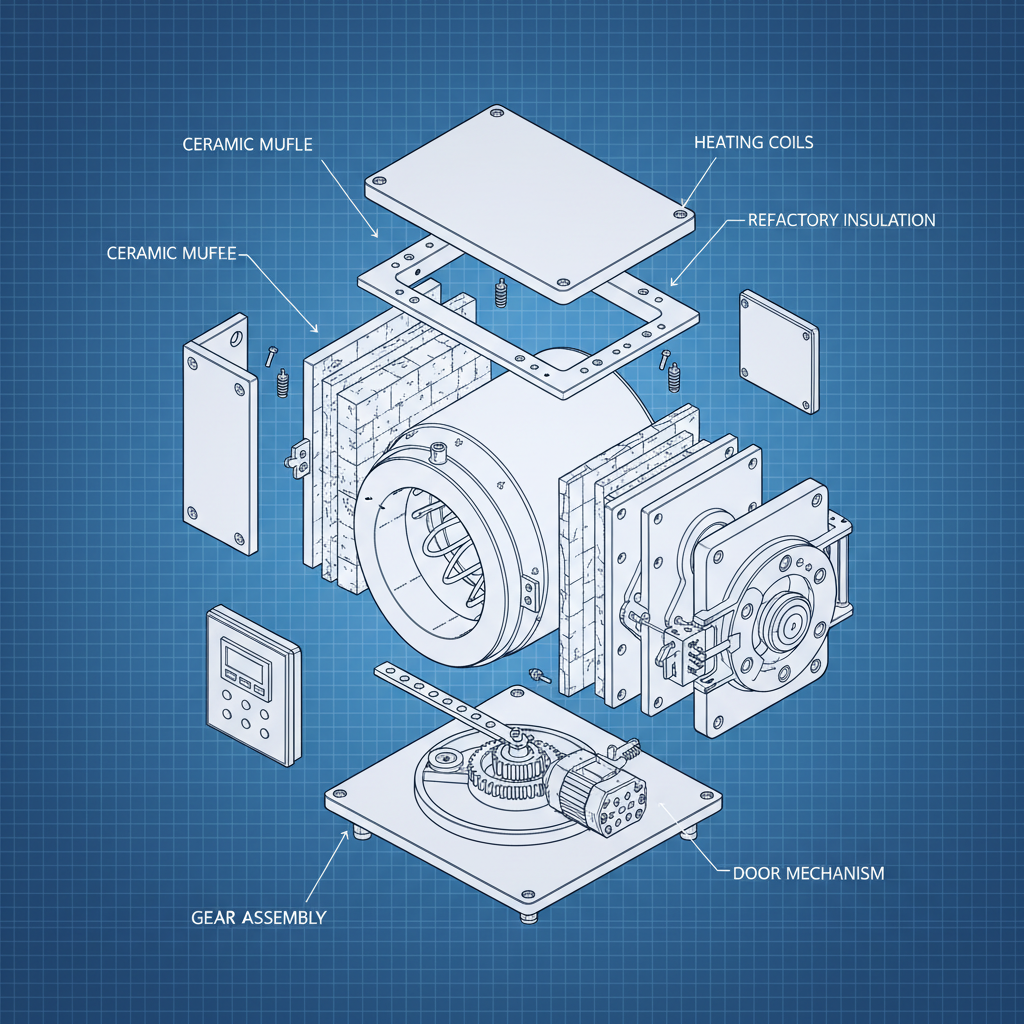
Benefits of Investing in a Quality Muffle Furnace
Investing in a high-quality high temperature muffle furnace offers numerous benefits. Improved process control leads to more consistent and reliable results. Reduced energy consumption translates to lower operating costs. Enhanced safety features protect personnel and prevent accidents. Increased throughput boosts productivity. And, ultimately, a reliable furnace minimizes downtime and maximizes the return on investment. Choosing a reputable supplier like CZ Lab Instrument ensures access to expert support and long-term reliability.
Conclusion: Optimizing Your Processes with the Right Furnace
A high temperature muffle furnace is a valuable asset for any laboratory or industrial facility requiring precise and controlled high-temperature processing. By carefully considering your application requirements and selecting a furnace from a trusted manufacturer like CZ Lab Instrument, you can optimize your processes, enhance your results, and ensure long-term operational efficiency.
Frequently Asked Questions (FAQs)
What is the typical lifespan of a muffle furnace?
The lifespan of a high temperature muffle furnace is typically 10-15 years with proper maintenance. However, this can vary based on usage frequency, operating temperatures, and the quality of the components. Regular inspections of the heating elements, insulation, and temperature controller are crucial. Replacing worn-out components promptly and adhering to the manufacturer’s recommended maintenance schedule will significantly extend the furnace’s lifespan. Avoid exceeding the maximum temperature rating to prevent premature failure.
What safety precautions should be taken when operating a muffle furnace?
Operating a muffle furnace requires strict adherence to safety protocols. Always wear appropriate personal protective equipment (PPE), including heat-resistant gloves, safety glasses, and a lab coat. Ensure the furnace is properly ventilated to prevent the buildup of potentially harmful gases. Never open the furnace while it is hot. Allow it to cool down completely before handling any samples. Be mindful of the hot surfaces and avoid accidental contact. Ensure proper grounding to prevent electrical hazards. Refer to the manufacturer’s safety guidelines for specific recommendations.
Can muffle furnaces be used with different atmospheres?
Yes, many high temperature muffle furnaces can be used with different atmospheres, such as inert gases (argon, nitrogen) or reducing gases (hydrogen). This is achieved through the use of a gas purging system, which allows for the controlled introduction and evacuation of gases. Using a controlled atmosphere is essential for preventing oxidation, controlling the reaction chemistry, or creating specific process conditions. However, it’s crucial to ensure the furnace is designed for use with the desired atmosphere and that appropriate safety measures are in place.
What is the difference between a muffle furnace and a tube furnace?
While both muffle and tube furnaces are used for high-temperature applications, they differ in their design. A muffle furnace has a chamber with heating elements surrounding the sample space, offering larger volume capacity. A tube furnace features a sample contained within a tube that is heated by surrounding coils. Tube furnaces are often preferred for continuous processing and controlled atmosphere applications due to better gas control and reduced heat loss. Muffle furnaces are more versatile for a wider range of sample sizes and configurations.


