
Comprehensive Guide to Selecting the Right High Temperature Furnace
High Temperature Furnaces: A Comprehensive Guide
High temperature furnaces are essential equipment in a wide array of industries, from materials science and aerospace to heat treating and ceramics. These specialized ovens are designed to reach and maintain extremely high temperatures, enabling critical processes like sintering, annealing, and melting. Selecting the right high temperature furnace is crucial for achieving precise results and ensuring operational efficiency. This article will explore the types, applications, key features, and considerations when choosing a furnace for your specific needs.
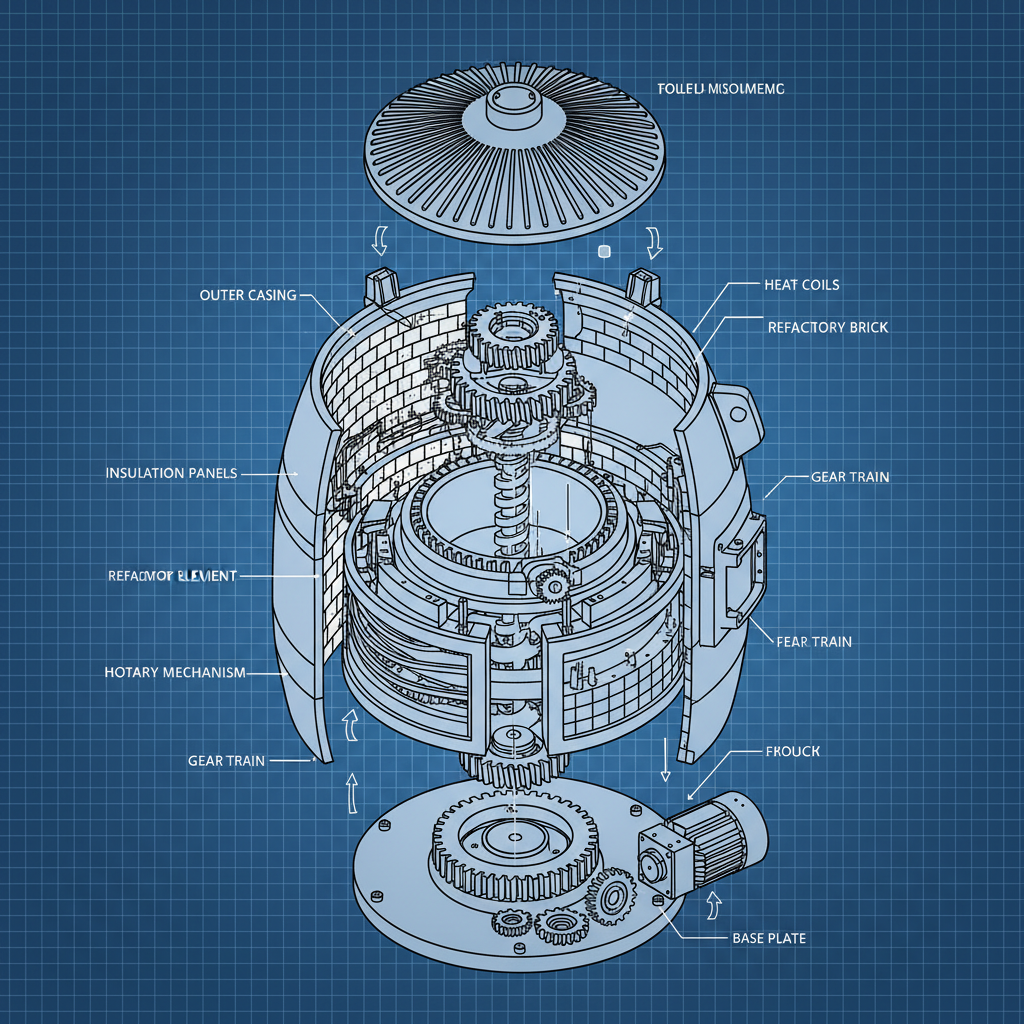
Types of High Temperature Furnaces
There are several types of high temperature furnaces, each designed for specific applications. Tube furnaces are commonly used for materials research and offer precise temperature control in a confined space. Box furnaces are versatile and suitable for a variety of heat treating processes. Vertical furnaces are ideal for processes requiring material loading from the top. And finally, bell furnaces are often used for large-scale production heat treating. The choice depends on the materials being processed, the desired temperature range, and the required throughput. CZ Lab Instrument offers a diverse range of furnace types to meet these varying demands.
Key Takeaway: The optimal furnace type is dictated by the specific heat treatment process and the materials involved.
Applications of High Temperature Furnaces
The applications of high temperature furnaces are incredibly diverse. In materials science, they are vital for sintering ceramics, creating new alloys, and studying material properties at elevated temperatures. The aerospace industry relies on them for heat treating turbine blades and other critical components. The electronics industry utilizes furnaces for annealing semiconductors and creating thin films. Furthermore, heat treating processes such as hardening, tempering, and case hardening of metals are routinely performed in these furnaces, improving their strength, durability, and resistance to wear.
Industry Applications:
• Materials Science: Sintering, Alloy Development
• Aerospace: Turbine Blade Heat Treatment
• Electronics: Semiconductor Annealing
• Heat Treating: Hardening, Tempering
Choosing the Right High Temperature Furnace: Key Considerations
Selecting the right high temperature furnace requires careful consideration of several factors. The maximum temperature required for your application is paramount. Heating rate and cooling rate are also critical, influencing the microstructure and properties of the processed materials. Furnace chamber size dictates the capacity and the size of parts that can be processed. Atmosphere control (vacuum, inert gas, or reducing gas) is essential for preventing oxidation or achieving specific material properties. Finally, consider the level of control and data logging required for your process.
High Temperature Furnace Features and Safety Considerations
Modern high temperature furnaces incorporate several advanced features for precise control and reliable operation. Programmable controllers allow for automated heating and cooling cycles. Accurate thermocouples provide real-time temperature monitoring. Gas flow controllers enable precise atmosphere control. And robust insulation minimizes heat loss and ensures energy efficiency. However, safety is paramount when operating these furnaces. Proper ventilation is essential to remove any hazardous fumes. Appropriate personal protective equipment (PPE), such as heat-resistant gloves and safety glasses, should always be worn. Regular maintenance and inspection are crucial for preventing accidents.
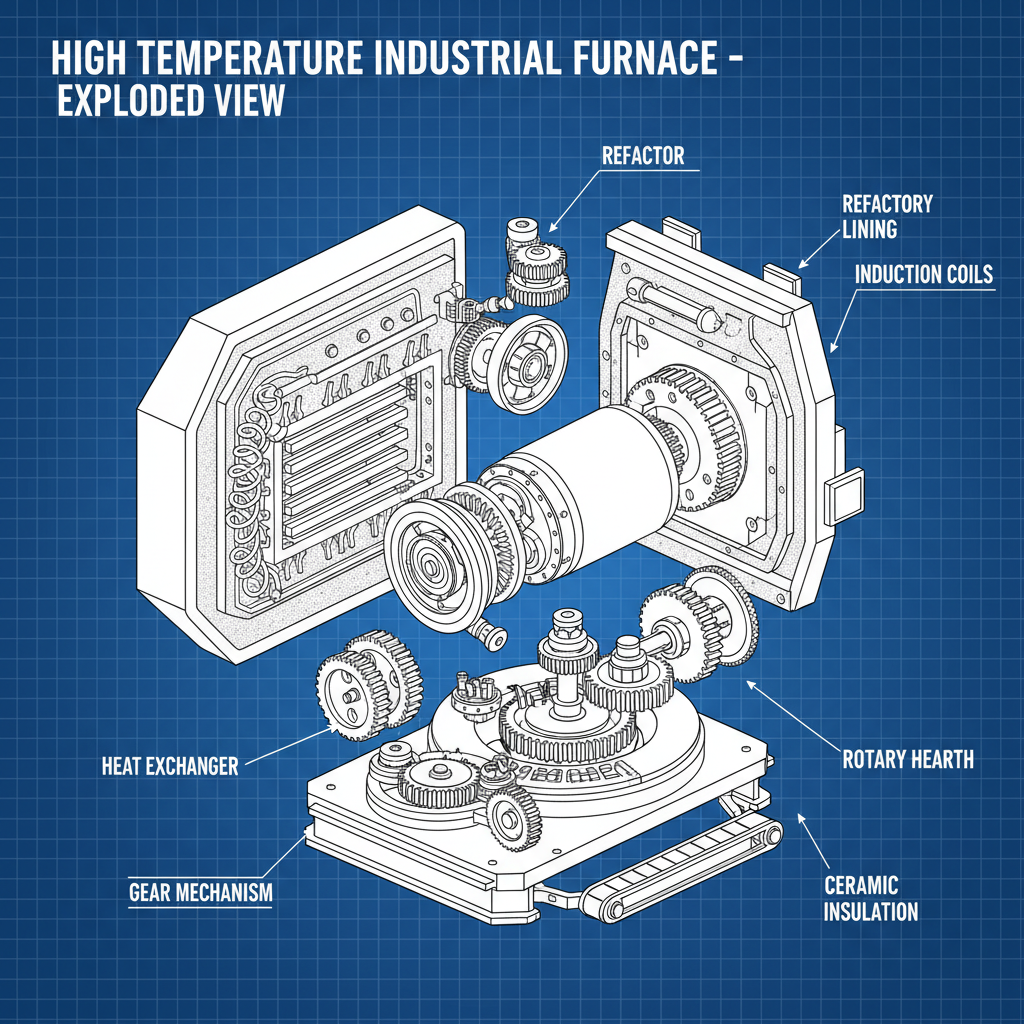
Technical Specifications: CZ Lab Instrument Furnaces
CZ Lab Instrument offers a variety of high temperature furnaces with varying specifications to meet diverse application requirements. Here is a sample specification table:
Conclusion: Investing in Quality for Optimal Results
Choosing the right high temperature furnace is a significant investment that impacts the quality and efficiency of your processes. CZ Lab Instrument provides a comprehensive selection of furnaces, backed by expert support and reliable performance. By carefully considering your specific needs and selecting a furnace that meets those requirements, you can ensure optimal results and long-term operational success.
Frequently Asked Questions (FAQs)
What factors affect the temperature uniformity within a high-temperature furnace?
Temperature uniformity is critical for many heat treatment processes. Several factors can influence it, including the heating element arrangement, the insulation quality, the chamber geometry, and the airflow pattern. Well-designed furnaces utilize multiple heating elements strategically positioned to minimize temperature gradients. High-quality insulation minimizes heat loss and ensures consistent temperature distribution. Proper airflow circulation also contributes to uniformity by preventing hot spots. CZ Lab Instrument's furnaces are designed for excellent temperature uniformity, and we provide detailed specifications for each model.
How important is atmosphere control in high-temperature furnaces?
Atmosphere control is crucial for preventing oxidation, decarburization, or other unwanted reactions during high-temperature processing. Using an inert gas atmosphere, such as argon or nitrogen, can protect materials from oxidation. Reducing atmospheres, containing hydrogen, can remove oxides and promote carburization. Vacuum furnaces offer the purest atmosphere, minimizing gas-phase reactions altogether. Selecting the appropriate atmosphere is vital for achieving the desired material properties.
What maintenance is required for a high-temperature furnace?
Regular maintenance is essential for ensuring the long-term reliability and performance of a high-temperature furnace. This includes inspecting and replacing heating elements, checking thermocouples for accuracy, verifying gas flow rates, and cleaning the chamber and ventilation system. Following the manufacturer's recommended maintenance schedule is crucial. Additionally, proper handling and storage of the furnace can extend its lifespan.
How does the heating element material impact furnace performance?
The heating element material significantly impacts furnace performance, particularly its maximum temperature capability and atmosphere compatibility. Common materials include Kanthal (FeCrAl alloy), silicon carbide (SiC), and molybdenum disilicide (MoSi2). Kanthal is suitable for lower temperatures and oxidizing atmospheres. SiC can reach higher temperatures but is susceptible to oxidation. MoSi2 offers excellent high-temperature performance in both oxidizing and inert atmospheres. The choice of heating element material depends on the specific application requirements.


