
Optimizing Clay Brick Production with an Efficient Drying Oven for Clay Brick
Drying Oven for Clay Brick: A Comprehensive Guide
The production of high-quality clay bricks relies heavily on a controlled drying process. A drying oven for clay brick is crucial for removing moisture from the molded bricks, preventing cracking and ensuring structural integrity. This article will explore the importance of drying ovens in brick manufacturing, the different types available, key considerations when choosing a unit, and the benefits of investing in a reliable system. We will also touch upon the technological advancements making these ovens more efficient and precise.
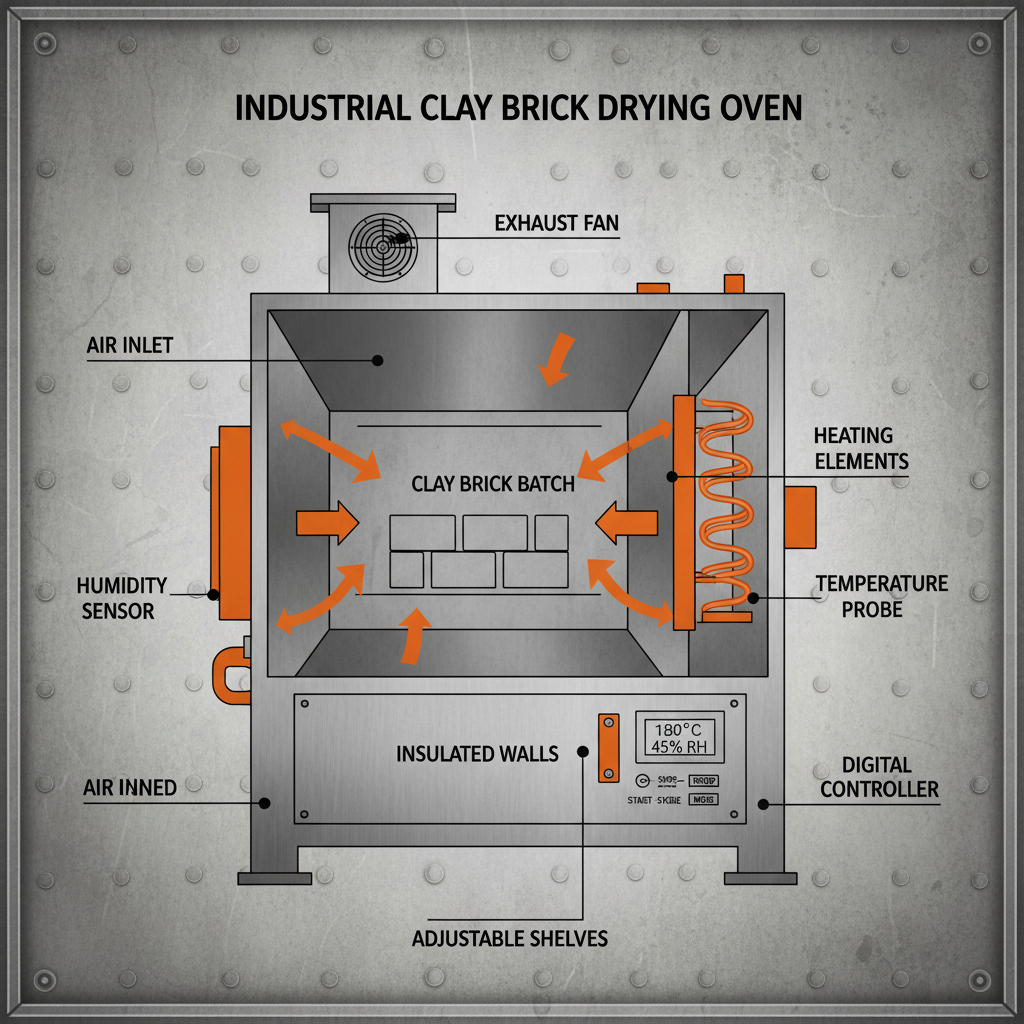
Why is a Drying Oven Essential for Clay Brick Production?
Clay bricks, after being molded, contain a significant amount of water. If bricks are dried too quickly, uneven shrinkage can occur, leading to cracking, warping, and ultimately, unusable products. Conversely, drying too slowly increases production time and costs. A carefully controlled drying oven provides the consistent temperature and humidity needed to remove moisture evenly and efficiently. This results in stronger, more durable bricks with reduced waste and optimized production cycles. The drying stage is arguably as vital as the firing process in ensuring brick quality.
Key Benefit: Even moisture removal prevents cracking and warping, leading to a higher yield of usable, high-quality clay bricks.
Types of Drying Ovens for Clay Bricks
Several types of drying ovens cater to different production scales and brick types. Common options include:
- Tunnel Dryers: Continuous operation, bricks move through a tunnel with controlled temperature zones. Ideal for large-scale production.
- Chamber Dryers: Batch-wise operation, bricks are loaded into a chamber and dried. Suitable for smaller production runs and diverse brick shapes.
- Flash Dryers: Use high-velocity air to quickly remove surface moisture. Primarily used as a pre-drying stage.
- Multi-Chamber Dryers: Feature multiple chambers operating independently, offering flexibility for different drying schedules.
The choice depends on factors like production volume, available space, and the specific characteristics of the clay used.
Drying Oven Types at a Glance:
• Tunnel Dryers: High Volume, Continuous
• Chamber Dryers: Batch, Versatile
• Flash Dryers: Pre-drying, Rapid
• Multi-Chamber Dryers: Flexible, Independent Control
Key Considerations When Selecting a Drying Oven
Choosing the right drying oven for clay brick requires careful consideration of several factors. These include:
- Capacity: Match the oven's capacity to your production volume.
- Temperature Control: Precise temperature control is essential for even drying.
- Humidity Control: Controlling humidity prevents surface cracking.
- Energy Efficiency: Look for ovens with efficient heating systems to minimize operating costs.
- Automation: Automated systems improve consistency and reduce labor requirements.
- Safety Features: Ensure the oven has safety features like over-temperature protection and emergency shut-off.
Drying Oven for Clay Brick: A Comparison of Key Features
Here's a comparison of different drying oven features to help you make an informed decision:
The Benefits of Investing in a Quality Drying Oven
Investing in a high-quality drying oven for clay brick offers numerous benefits, including increased production efficiency, reduced brick wastage, improved product quality, and lower energy consumption. Modern ovens from reputable manufacturers like CZ Lab Instrument incorporate advanced control systems and energy-saving technologies, making them a worthwhile investment for any brick manufacturing operation.
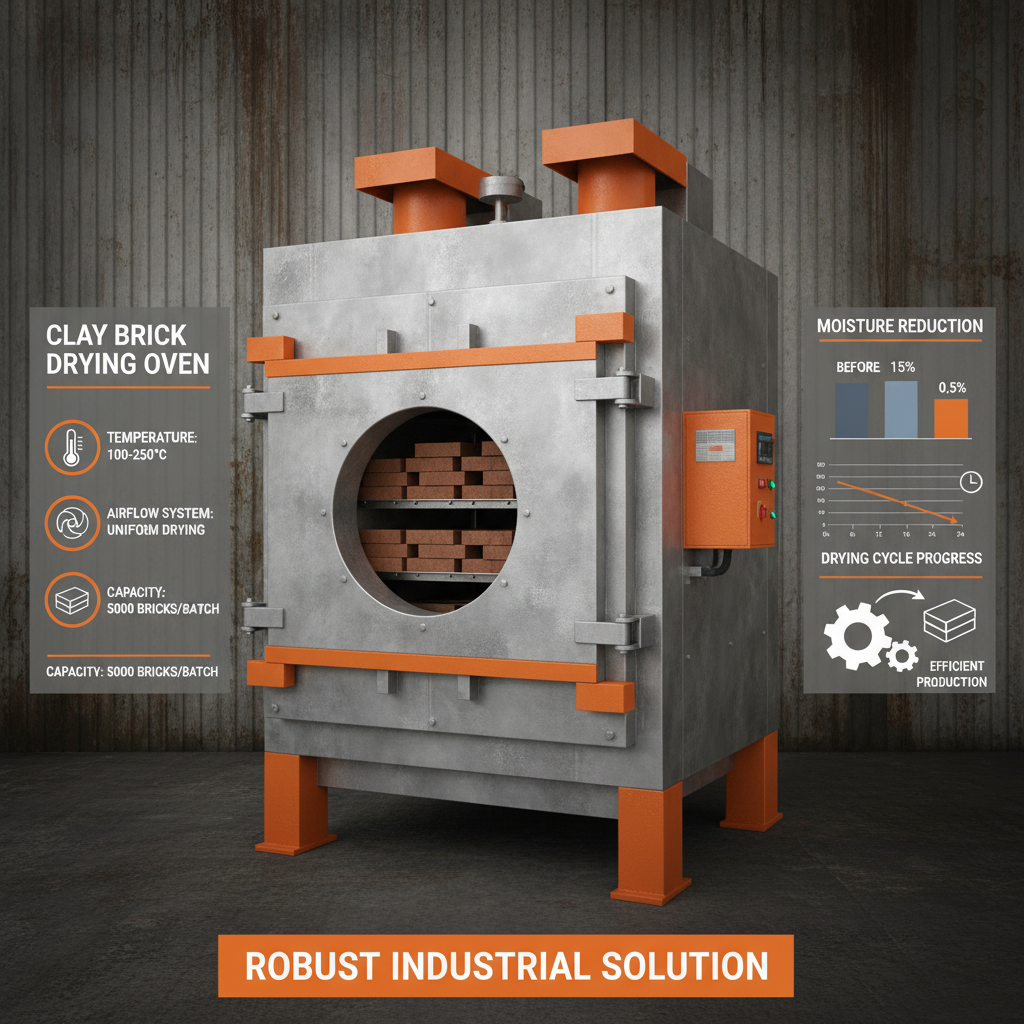
Conclusion: Enhance Brick Quality with the Right Drying Solution
A well-chosen drying oven for clay brick is a cornerstone of efficient and high-quality brick production. By understanding the different types available and considering your specific needs, you can select a system that delivers optimal results and maximizes your return on investment. CZ Lab Instrument offers a range of innovative drying solutions tailored to meet the diverse demands of the brick manufacturing industry.
Frequently Asked Questions (FAQs)
What is the ideal drying rate for clay bricks?
The ideal drying rate depends on the clay composition, brick size, and environmental conditions. Generally, a gradual drying process is preferred to minimize stress and cracking. The initial drying phase should be slow to remove surface moisture, followed by a faster drying rate as the brick becomes drier. Too rapid drying can lead to warping and cracking, while too slow drying increases production time. A controlled oven environment allows for precise adjustments to the drying schedule.
How can I prevent cracking during the drying process?
Preventing cracking involves controlling the drying rate, humidity, and temperature. Start with a low temperature and gradually increase it as the bricks dry. Maintain a moderate humidity level to prevent surface drying too quickly. Ensure even airflow throughout the oven to prevent uneven drying. The clay composition itself also plays a role – some clays are more prone to cracking than others.
What maintenance is required for a drying oven?
Regular maintenance is crucial for ensuring the longevity and efficiency of your drying oven. This includes cleaning the oven chamber, checking the heating elements, inspecting the control system, and verifying the proper functioning of safety features. Routine inspections and preventative maintenance can prevent costly breakdowns and extend the lifespan of the equipment. Refer to the manufacturer's manual for specific maintenance recommendations.
What safety features should I look for in a drying oven?
Essential safety features include over-temperature protection, emergency shut-off switches, and proper ventilation. A reliable control system should also monitor temperature and humidity levels and provide alarms in case of deviations. Ensure the oven is properly grounded and that all electrical connections are secure. Following safety guidelines and providing training for operators is also paramount.


