
Understanding the Advantages of a Hot Air Circulating Oven for Laboratory Use
Understanding the Advantages of a Hot Air Circulating Oven
In the realm of laboratory equipment, precision and reliability are paramount. A hot air circulating oven is a crucial tool for a wide range of applications, from drying samples to sterilization. This article provides a comprehensive overview of hot air circulating ovens, exploring their principles, benefits, applications, and key considerations when selecting the right model. Whether you are a researcher, quality control specialist, or a process engineer, understanding the capabilities of these ovens is essential for achieving accurate and reproducible results.
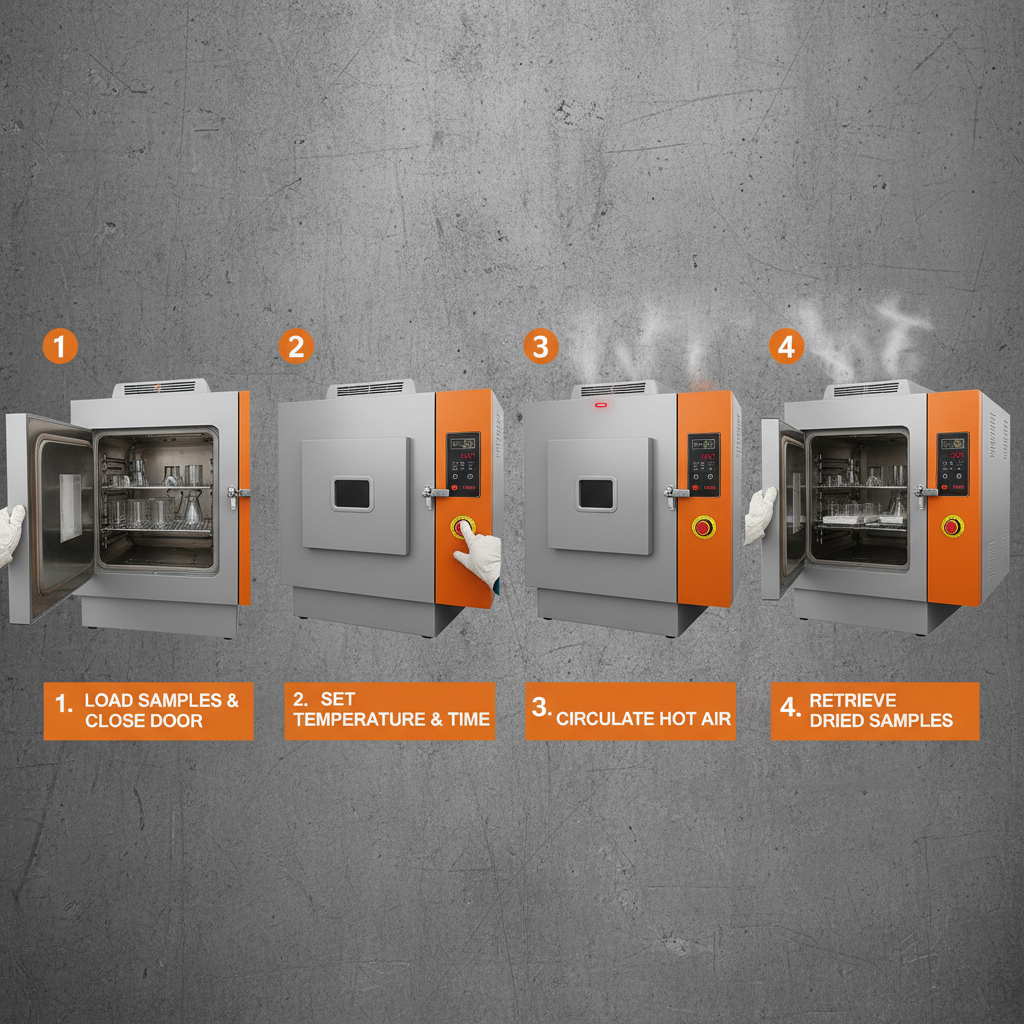
How Does a Hot Air Circulating Oven Work?
Unlike traditional ovens that rely on natural convection, a hot air circulating oven utilizes a fan to circulate heated air throughout the chamber. This forced air convection ensures a uniform temperature distribution, eliminating hot and cold spots. A heating element, typically electric, warms the air, which is then propelled by a fan. This constant circulation drastically improves drying times and ensures consistent results, especially when dealing with heat-sensitive materials. The consistent temperature also promotes more even heating for sterilization processes. Many models include precise temperature controls and timers for optimal operation.
Key Benefit: Uniform temperature distribution leading to consistent and repeatable results, reduced drying times, and improved process efficiency.
Applications of Hot Air Circulating Ovens
The versatility of hot air circulating ovens makes them indispensable across numerous industries. Common applications include:
- Drying: Removing moisture from powders, granules, and other materials.
- Sterilization: Eliminating microorganisms from labware, glassware, and equipment.
- Heating: For chemical reactions and materials testing.
- Preheating: Preparing samples for further analysis.
- Aging: Accelerating the aging process of materials for quality control.
- Baking: In specific quality control tests, materials are baked at specific temperatures.
Hot Air Circulating Oven vs. Conventional Oven: A Detailed Comparison
While both hot air circulating ovens and conventional ovens utilize heat, their mechanisms and performance differ significantly. Conventional ovens rely on natural convection, leading to temperature gradients and longer processing times. Hot air circulating ovens, with their forced air circulation, offer superior temperature uniformity and faster drying/sterilization cycles. Here's a detailed comparison:
Key Considerations When Choosing a Hot Air Circulating Oven
Selecting the appropriate hot air circulating oven requires careful consideration of several factors:
- Capacity: Determine the volume of material you need to process in a single batch.
- Temperature Range: Ensure the oven can reach the required temperatures for your applications.
- Temperature Accuracy & Uniformity: Critical for reliable results. Look for models with precise controls and minimal temperature gradients.
- Chamber Material: Stainless steel is ideal for corrosion resistance and easy cleaning.
- Control System: Digital controllers offer greater precision and programmability than analog controls.
- Safety Features: Over-temperature protection, door interlocks, and alarms are essential for safe operation.
CZLab Instrument: Your Trusted Partner for Hot Air Circulating Ovens
At CZLab Instrument, we offer a comprehensive range of high-quality hot air circulating ovens designed to meet the diverse needs of researchers and industry professionals. Our ovens are known for their precise temperature control, uniform heating, and durable construction. We provide reliable equipment and exceptional customer support.
Conclusion: Investing in Quality for Reliable Results
A hot air circulating oven is an indispensable tool for any laboratory or industrial setting requiring precise and consistent heating. Investing in a quality oven from a reputable supplier like CZLab Instrument ensures accurate results, improved efficiency, and long-term reliability. Don't compromise on performance – choose a hot air circulating oven that meets your specific needs.
Frequently Asked Questions (FAQs)
What is the typical temperature range of a hot air circulating oven?
Most hot air circulating ovens offer a temperature range from ambient to 250°C, although some models can reach higher temperatures, up to 300°C or even 500°C. The specific temperature range will depend on the oven’s design and intended application. It's essential to select an oven that can accurately maintain the temperatures required for your experiments or processes. Precise temperature control is crucial for achieving reproducible results.
How often should I calibrate my hot air circulating oven?
Regular calibration is crucial to ensure the accuracy of your oven. It's generally recommended to calibrate the oven at least once a year, or more frequently if it's used extensively or for critical applications. Calibration involves verifying the temperature readings against a certified standard and adjusting the oven’s controls if necessary. CZLab Instrument offers calibration services to help maintain the accuracy of your equipment.
What safety features are important in a hot air circulating oven?
Several safety features are essential. Over-temperature protection is critical to prevent overheating and potential fire hazards. A door interlock ensures the oven cannot be operated with the door open. Audible and visual alarms alert users to any malfunctions. The use of a double-walled construction can help reduce surface temperatures and prevent burns. Always prioritize safety when operating laboratory equipment.
How do I clean and maintain my hot air circulating oven?
Regular cleaning is essential for maintaining the oven’s performance and longevity. Always disconnect the oven from the power source before cleaning. Remove any debris or spills from the chamber using a mild detergent and water. For stubborn residues, use a specialized laboratory cleaning solution. Ensure the chamber is completely dry before operating the oven. Periodically inspect the fan and heating elements for any signs of damage.


