
Comprehensive Guide to Drying Oven Laboratory Selection and Optimal Use
Understanding the Importance of a Drying Oven Laboratory
In scientific research, industrial quality control, and various laboratory settings, precise and reliable drying processes are essential. A drying oven laboratory provides the controlled environment needed to remove moisture or volatile substances from samples, ensuring accurate results and maintaining product integrity. Choosing the right drying oven is a critical decision, dependent on the specific application, sample types, and required precision. This article will delve into the key considerations when selecting and utilizing a drying oven, exploring different types, features, and best practices for optimal performance. A well-equipped drying oven laboratory is fundamental to achieving dependable and repeatable outcomes across a broad range of scientific and industrial disciplines.
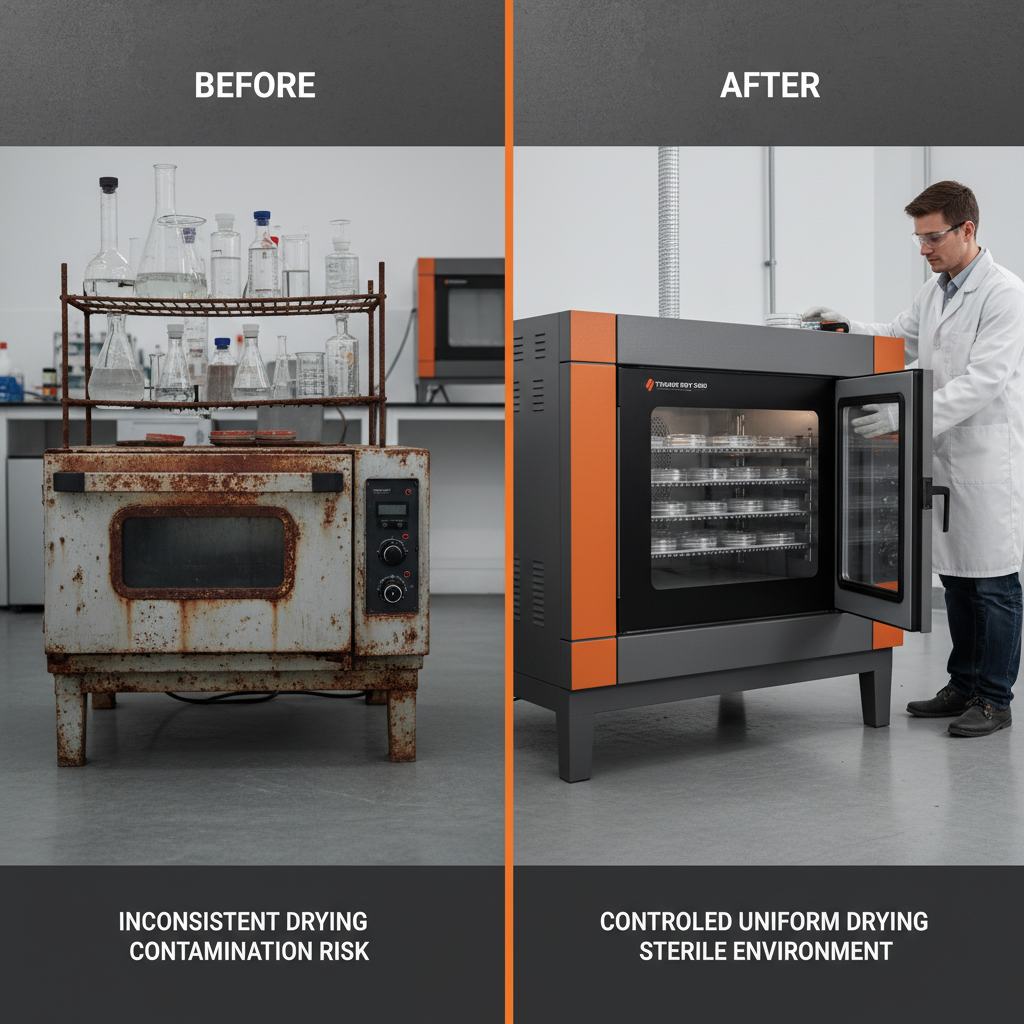
Key Considerations When Selecting a Drying Oven
Several factors influence the selection of a drying oven for your laboratory. Temperature range and accuracy are paramount, depending on the sample’s thermal stability and the desired drying rate. Chamber volume is crucial for accommodating sample size and throughput. Consider features like digital temperature controllers, programmable timers, and forced convection systems for uniform heating. Material compatibility is also important – the oven’s interior should be chemically resistant to any volatiles released during drying. Finally, safety features like over-temperature protection and door interlocks are essential to ensure operator safety and prevent sample damage. Selecting the right oven involves a careful assessment of these variables to meet your specific laboratory needs.
Key Highlights: Precise temperature control, ample chamber volume, safety features, and compatibility with sample materials are all crucial factors in selecting a drying oven.
Types of Drying Ovens Available
Drying ovens come in various configurations tailored to specific applications. Conventional ovens use natural convection for heat distribution, suitable for less demanding applications. Forced convection ovens utilize a fan to circulate air, providing more uniform heating and faster drying times. Vacuum ovens reduce the boiling point of liquids, enabling low-temperature drying of heat-sensitive materials. Furthermore, inert gas drying ovens provide a controlled atmosphere, preventing oxidation or degradation of samples. The choice of oven type depends on the sample characteristics, desired drying speed, and the need for a specific atmosphere. CZ Lab Instrument offers a comprehensive range of drying ovens to suit diverse laboratory requirements.
Drying Oven Types:
• Conventional Ovens
• Forced Convection Ovens
• Vacuum Ovens
• Inert Gas Drying Ovens
Drying Oven Laboratory: A Comparative Analysis
Selecting the ideal drying oven involves understanding the strengths and weaknesses of each type. Forced convection ovens, while faster, might not be suitable for delicate samples prone to air disturbance. Vacuum ovens, although ideal for heat-sensitive materials, require a vacuum pump and can be more complex to operate. Conventional ovens are the simplest but may offer less precise temperature control. The following table provides a detailed comparison:
Ensuring Optimal Performance and Safety in Your Drying Oven Laboratory
Maintaining a drying oven laboratory requires adherence to best practices. Regularly calibrate temperature controllers to ensure accuracy. Implement a cleaning schedule to prevent contamination. Train personnel on proper operation and safety procedures. Always use appropriate personal protective equipment (PPE) when handling hot samples or potentially hazardous materials. Proper ventilation is also crucial to remove any fumes or volatiles released during drying. By prioritizing these measures, you can create a safe and efficient laboratory environment.
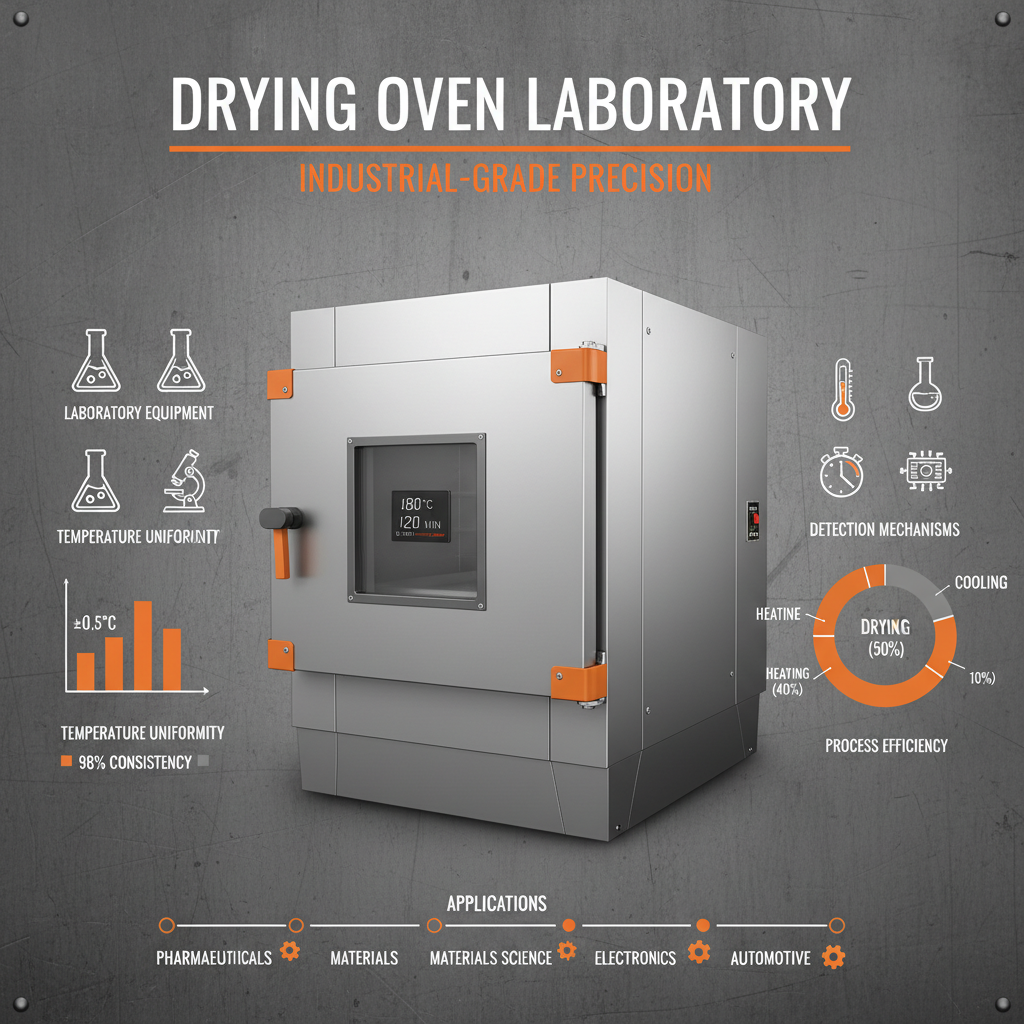
Drying Oven Laboratory: Product Specifications from CZ Lab Instrument
CZ Lab Instrument offers a wide selection of drying ovens to meet diverse laboratory needs. Here's a quick look at the specifications for our standard forced convection drying oven:
Conclusion: Investing in a Reliable Drying Oven Laboratory
A well-equipped drying oven laboratory is vital for achieving accurate and reliable results in a multitude of scientific and industrial applications. By carefully considering your specific needs, selecting the appropriate oven type, and adhering to best practices for operation and maintenance, you can ensure optimal performance and safety. CZ Lab Instrument provides high-quality drying ovens and comprehensive support to help you achieve your research and quality control goals.
Frequently Asked Questions (FAQs)
What is the best way to calibrate a drying oven?
Regular calibration is essential for maintaining the accuracy of your drying oven. This typically involves using a calibrated thermometer to verify the temperature reading against the oven's display at several setpoints. If discrepancies are found, the temperature controller may need to be adjusted following the manufacturer's instructions. Professional calibration services are also available to ensure accurate and traceable results. Calibration frequency should be determined based on usage and the criticality of temperature control in your application, but annual calibration is generally recommended.
How do I prevent cross-contamination in a shared drying oven laboratory?
Cross-contamination is a significant concern in shared laboratories. Dedicate specific shelves or trays for different types of samples. Implement a thorough cleaning protocol between uses, including wiping down surfaces with appropriate disinfectants. Use disposable liners or containers when possible to further minimize the risk of contamination. Clearly label all samples and containers to prevent accidental mixing. Finally, train all users on proper cleaning and handling procedures.
What safety features should I look for in a drying oven?
Essential safety features include over-temperature protection, which automatically shuts off the oven if the temperature exceeds a preset limit. A door interlock prevents operation when the door is open, minimizing exposure to hot surfaces. Audible alarms can alert users to temperature deviations or other issues. Consider ovens with reinforced glass doors for added safety. Always ensure the oven is properly grounded and that ventilation is adequate to prevent the buildup of fumes.
What are the benefits of using a vacuum drying oven?
Vacuum drying ovens offer several advantages, particularly for heat-sensitive materials. By reducing the pressure within the chamber, the boiling point of liquids is lowered, allowing for drying at lower temperatures. This prevents thermal degradation of the sample. Vacuum drying also accelerates the drying process by enhancing evaporation. It's commonly used for drying delicate samples, solvents, and materials that are prone to oxidation.


