
Comprehensive Guide to Forced Drying Ovens and Their Applications
Understanding Forced Drying Ovens: A Comprehensive Guide
In numerous scientific, industrial, and analytical applications, precise control of drying processes is paramount. A forced drying oven provides a controlled environment for removing moisture from samples, ensuring accurate results and reliable product quality. This article explores the principles, applications, benefits, and key considerations when selecting a forced drying oven. Whether you’re in research, quality control, or manufacturing, understanding these ovens is crucial for optimizing your processes.
What is a Forced Drying Oven?
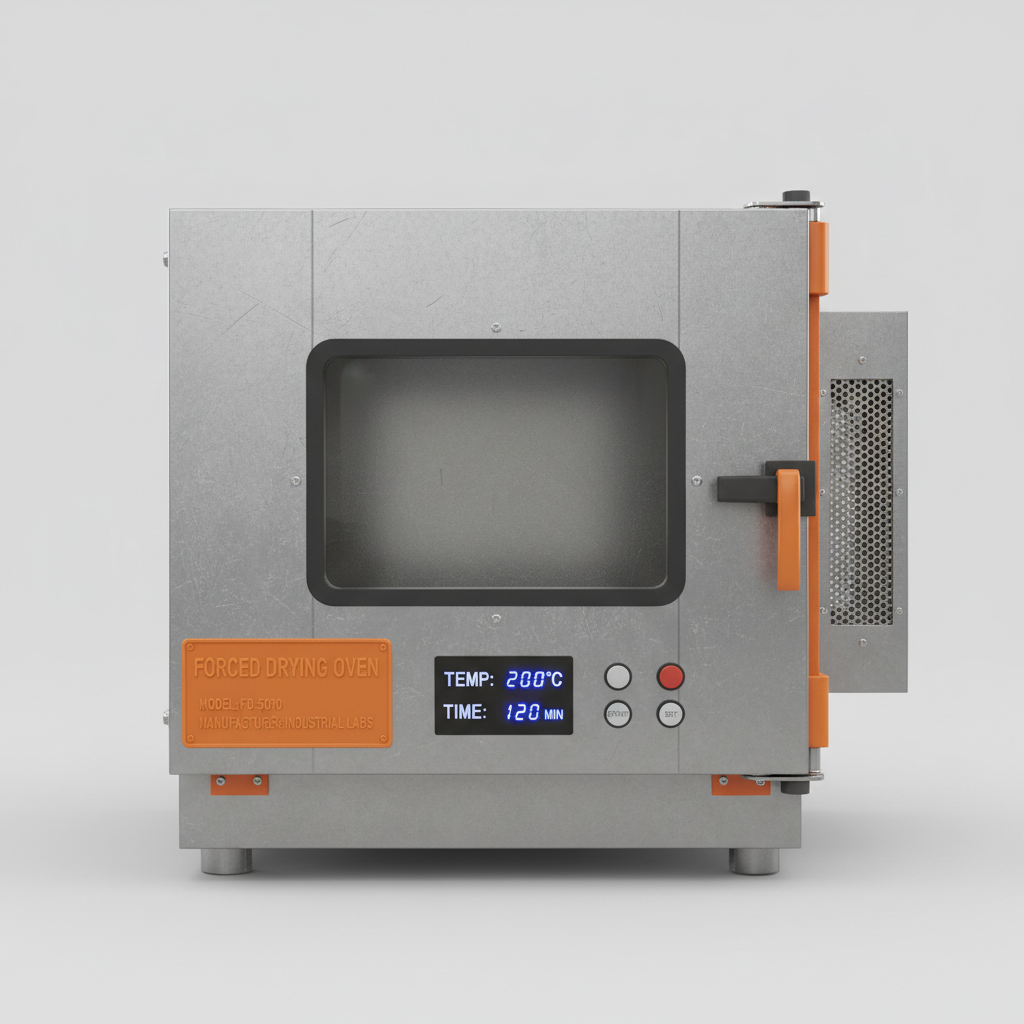
A forced drying oven, also known as a convection oven, utilizes a fan to circulate heated air throughout the chamber. This consistent airflow ensures uniform temperature distribution and accelerates the drying process compared to traditional ovens relying on natural convection. This is especially important when dealing with heat-sensitive materials or requiring rapid moisture removal. The controlled environment prevents uneven drying, which can lead to inaccurate results or product defects. They are integral to processes where maintaining sample integrity is critical.
Key Benefit: Forced convection significantly reduces drying time and ensures uniform temperature distribution, crucial for repeatable results.
Applications of Forced Drying Ovens
Forced drying ovens find application in diverse fields. In pharmaceuticals, they’re used for drying granules, powders, and finished products. Food processing industries utilize them for moisture analysis and ingredient preparation. Chemical laboratories employ them for drying precipitates, preparing samples for analysis, and removing solvents. Environmental monitoring uses them for determining solids content in water and soil samples. Material science relies on them for preparing samples for microscopy and mechanical testing. The versatility of these ovens makes them an essential piece of equipment across many disciplines.
Common Applications:
• Pharmaceutical drying
• Food analysis and preparation
• Chemical sample preparation
• Environmental testing
Forced Drying Oven vs. Conventional Oven: Key Differences
The primary distinction between forced drying ovens and conventional ovens lies in the air circulation method. Conventional ovens rely on natural convection, leading to temperature gradients within the chamber. This can result in uneven drying and longer processing times. Forced drying ovens, with their integrated fans, eliminate these gradients, providing a consistent temperature profile. This leads to faster, more efficient drying, and more reliable results. The consistent heat distribution is crucial for applications requiring precise control.
Key Considerations When Choosing a Forced Drying Oven
Selecting the right forced drying oven requires careful consideration of several factors. Temperature range and accuracy are critical, depending on the samples being processed. Chamber size must accommodate the volume of materials to be dried. Control systems (digital vs. analog) impact precision and ease of use. Consider features like programmable timers, over-temperature protection, and data logging capabilities. Material of construction (stainless steel is common) ensures durability and prevents contamination. Finally, consider the manufacturer’s reputation and after-sales support. CZ Lab Instrument offers a variety of models to suit diverse applications.
Specifications and Features of CZ Lab Instrument Forced Drying Ovens
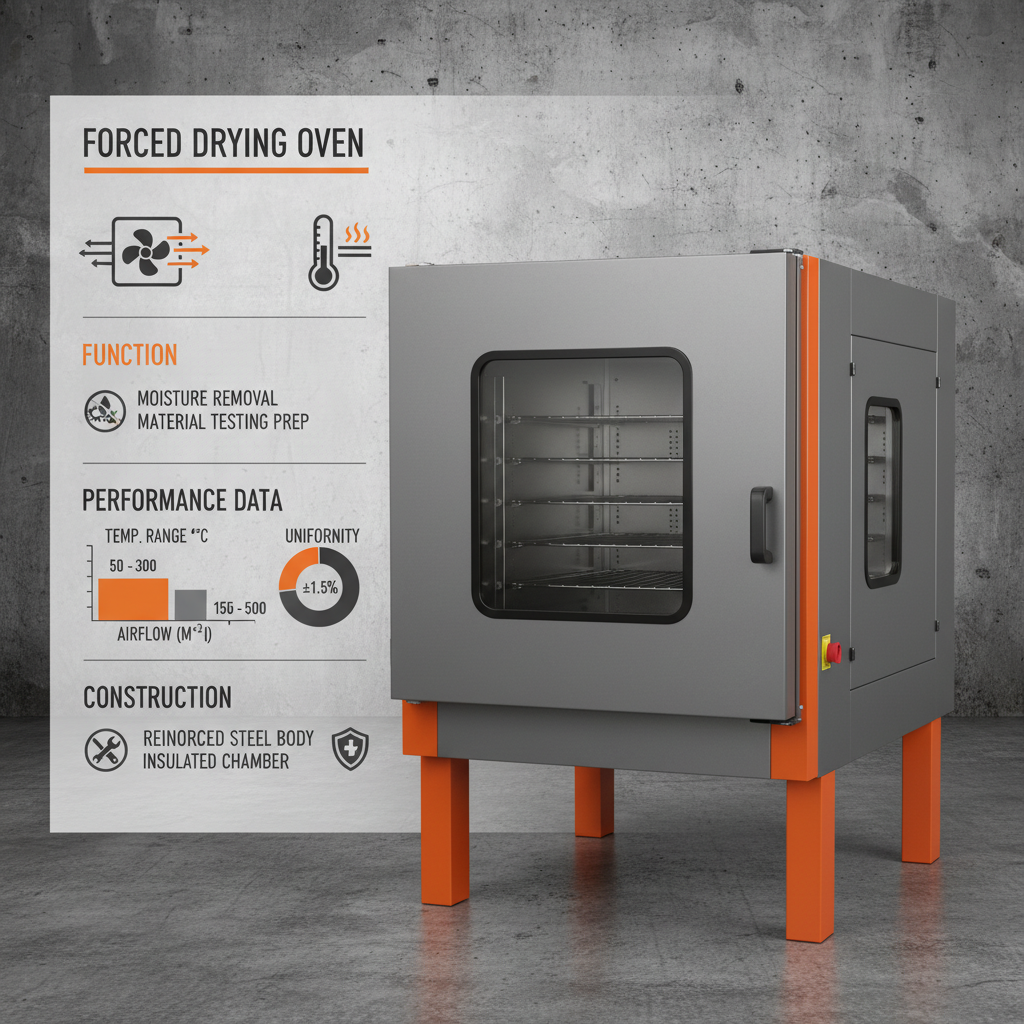
CZ Lab Instrument offers a range of high-quality forced drying ovens designed to meet the demanding requirements of modern laboratories and industrial applications. Here are some key specifications:
Conclusion: Enhancing Your Processes with Precision Drying
The forced drying oven is an indispensable tool for achieving consistent, reliable drying results. By understanding the principles, applications, and key considerations, you can select the optimal oven for your specific needs. Investing in a high-quality oven from a reputable manufacturer like CZ Lab Instrument ensures efficient, accurate, and safe operation.
Frequently Asked Questions (FAQs)
What types of samples can be dried in a forced drying oven?
Forced drying ovens are versatile and can accommodate a wide range of samples, including powders, granules, liquids, pastes, and solid materials. They are commonly used to dry chemicals, pharmaceuticals, food products, polymers, and various other substances. The key is to ensure the sample is compatible with the oven's temperature range and that proper safety precautions are taken when drying potentially hazardous materials. Avoid materials that may release flammable or toxic fumes without adequate ventilation.
How do I ensure uniform drying of my samples?
Uniform drying is achieved by proper sample distribution within the oven chamber. Avoid overcrowding the chamber, allowing sufficient space for air circulation around each sample. Use trays or containers that promote even heating. Regularly rotate or stir the samples, especially if they are viscous or prone to clumping. Utilize the oven's fan function to ensure consistent airflow throughout the chamber.
What safety precautions should I take when using a forced drying oven?
Always wear appropriate personal protective equipment (PPE), such as gloves and safety glasses. Ensure the oven is placed in a well-ventilated area. Never dry flammable or explosive materials without taking appropriate precautions. Do not exceed the oven's maximum temperature rating. Regularly inspect the oven for any signs of damage or malfunction. Follow the manufacturer's instructions and safety guidelines.
What is the role of the fan in a forced drying oven?
The fan in a forced drying oven plays a crucial role in circulating heated air throughout the chamber. This forced convection eliminates temperature gradients, ensuring uniform drying of the samples. The fan accelerates the evaporation process by continuously removing moisture-laden air from the sample surface, leading to faster drying times and more consistent results. Without the fan, drying would be significantly slower and potentially uneven.


