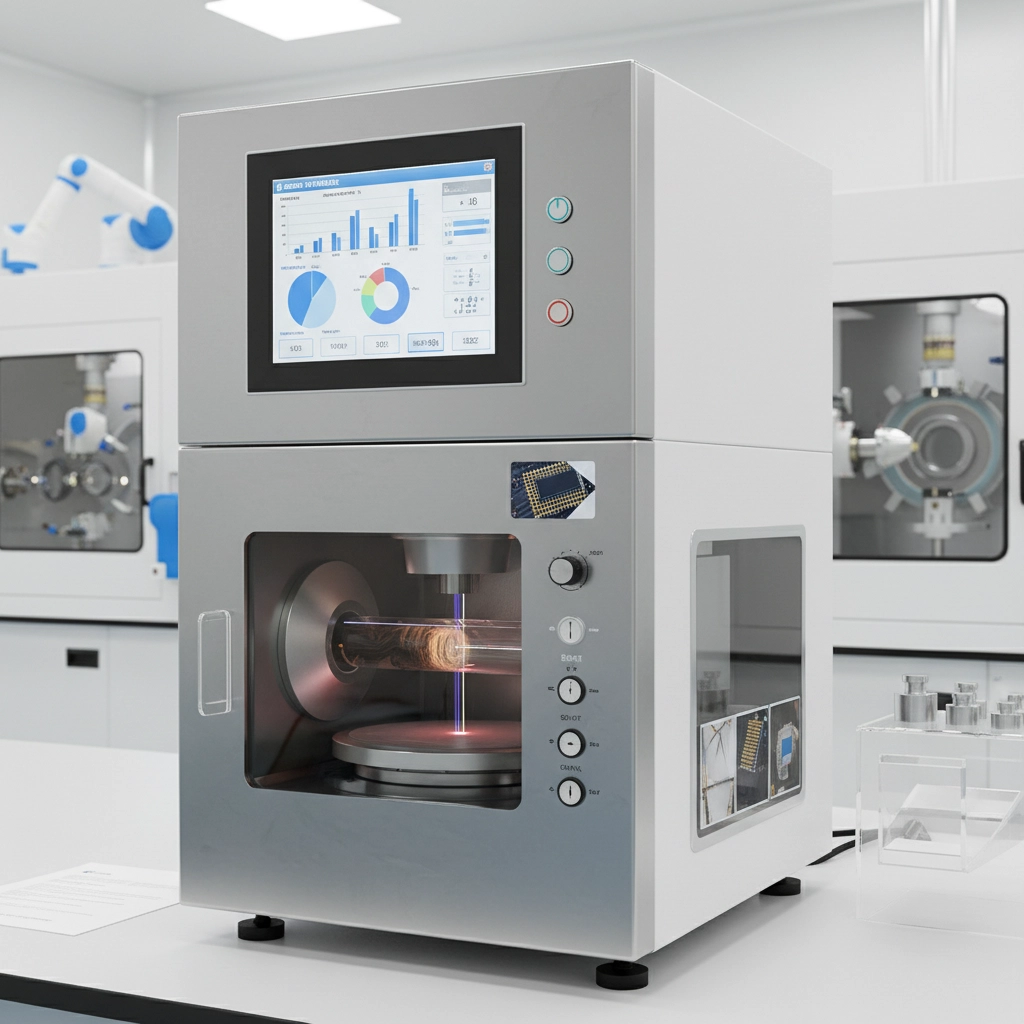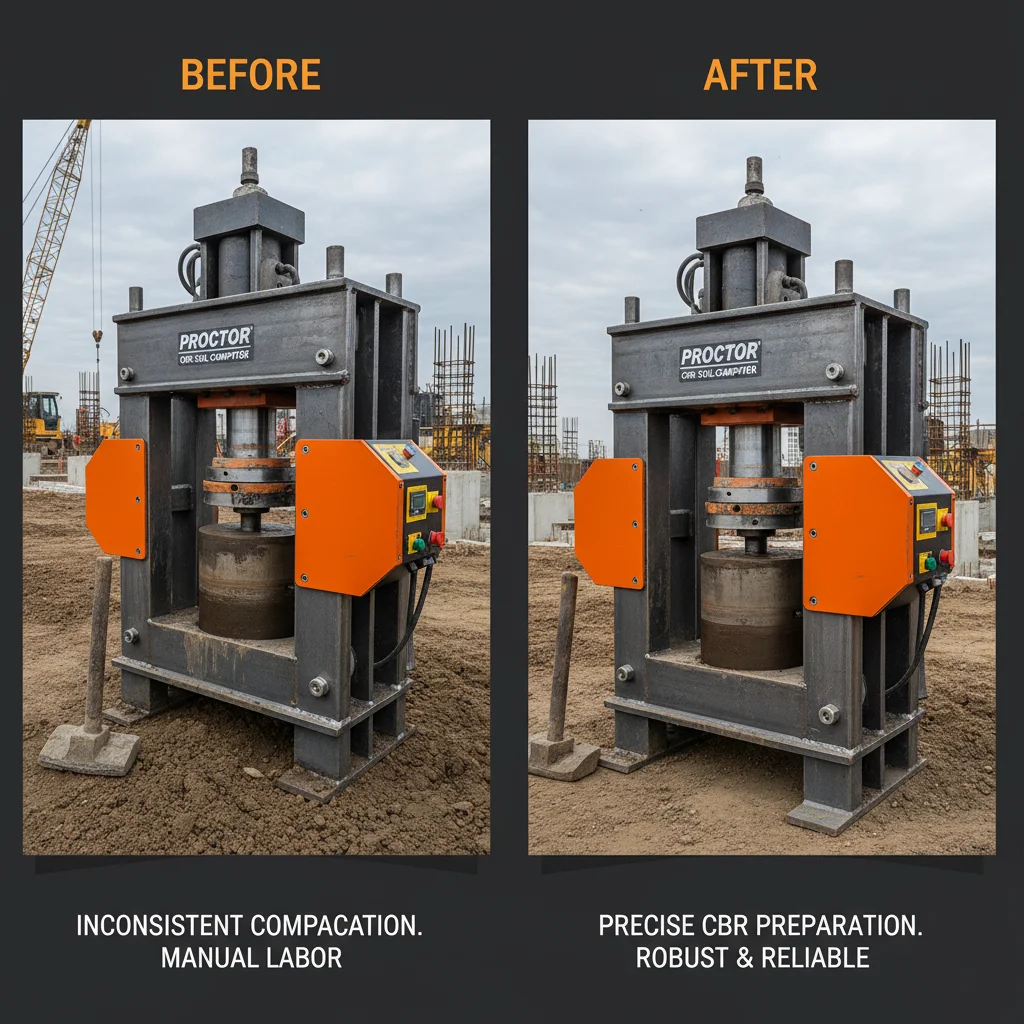
Ensuring the precise balance of binder and aggregate is the cornerstone of durable road construction, and this is where the Asphalt Content Analyzer becomes an indispensable tool for civil engineers and quality control specialists globally. By providing an accurate measurement of the bitumen percentage within a mix, these instruments prevent premature road failure, such as rutting or cracking, ensuring that infrastructure can withstand the rigors of heavy traffic and extreme weather.
In the modern era of sustainable infrastructure, the role of the Asphalt Content Analyzer has expanded beyond simple quality checks to supporting the integration of recycled asphalt pavements (RAP). As global standards shift toward "green" roads, the ability to analyze content with high precision allows contractors to optimize material usage, reducing the carbon footprint of road projects while maintaining strict adherence to ISO and ASTM standards.
Ultimately, investing in high-performance analysis technology translates to significant long-term savings and increased public safety. Whether in a large-scale government laboratory or a mobile on-site testing unit, the Asphalt Content Analyzer bridges the gap between theoretical mix designs and real-world performance, guaranteeing that every kilometer of pavement is engineered for longevity.
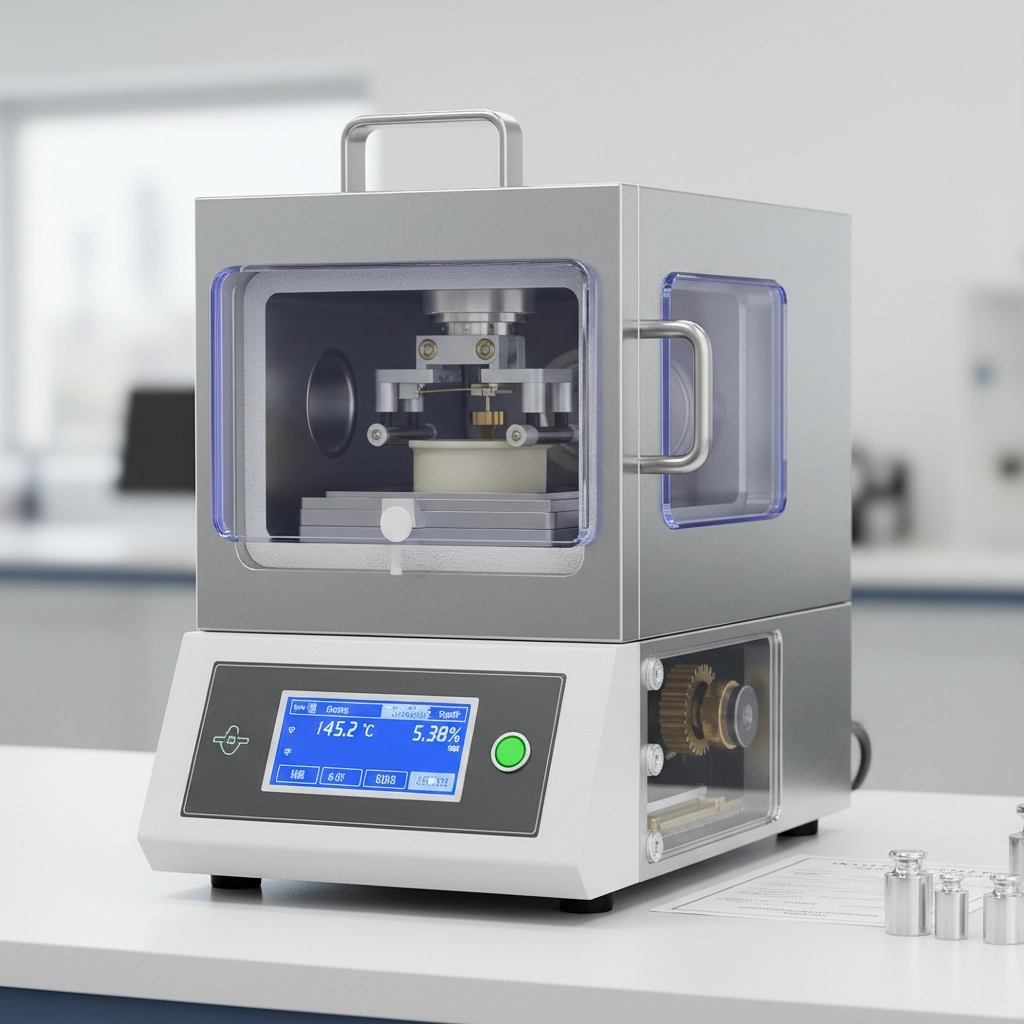
Across the globe, the expansion of transport networks is directly tied to economic growth. From the massive highway projects in Southeast Asia to the rigorous road maintenance schedules in Northern Europe, the Asphalt Content Analyzer ensures that the materials used meet stringent international safety and durability criteria. Without precise analysis, variations in bitumen content can lead to catastrophic road failures, resulting in billions of dollars in unplanned maintenance costs annually.
Furthermore, the World Bank and various international transport agencies emphasize the importance of standardized testing to reduce waste. By utilizing an Asphalt Content Analyzer, agencies can verify that contractors are not under-using binder (which leads to brittleness) or over-using it (which leads to bleeding and rutting), thereby optimizing the lifecycle of the road infrastructure.
In simple terms, an Asphalt Content Analyzer is a specialized laboratory instrument designed to determine the exact percentage of bitumen (asphalt binder) present in a mixture of aggregates. This is typically achieved through methods such as centrifugal extraction or ignition loss, where the binder is separated from the stone to be weighed or burned off to calculate the difference.
The connection to modern industrial needs is rooted in the demand for "Right-First-Time" construction. In a competitive bidding environment, the margin for error is slim. An Asphalt Content Analyzer provides the empirical data necessary to adjust the production plant in real-time, ensuring that the mix arriving at the site is exactly what the engineer specified.
Beyond mere measurement, these devices are now integrated into broader Quality Management Systems (QMS). By digitizing the results from the Asphalt Content Analyzer, firms can track material consistency across different batches and suppliers, creating a transparent audit trail that is essential for government-funded infrastructure projects.
To achieve laboratory-grade accuracy, a professional Asphalt Content Analyzer relies on several critical components. First is the high-temperature heating element, which must provide uniform heat distribution to ensure the bitumen is sufficiently liquefied or vaporized without damaging the mineral aggregates.
Secondly, the precision weighing system is the heart of the Asphalt Content Analyzer. Even a milligram of deviation can lead to a percentage error that affects the calculated stability of the pavement, making high-resolution electronic balances a non-negotiable feature for industrial-grade equipment.
Finally, the automation controller allows for the standardization of the testing cycle. By automating the centrifugal speeds or the ignition temperature ramps, the Asphalt Content Analyzer eliminates human error, ensuring that results are reproducible regardless of the technician operating the machine.
When evaluating the efficiency of an Asphalt Content Analyzer, industry professionals look at three primary metrics: precision, throughput speed, and ease of calibration. A high-throughput analyzer allows a lab to process dozens of samples per shift, which is critical during the peak paving season when rapid feedback to the asphalt plant is required.
Moreover, the shift from traditional solvent extraction to ignition-based analysis has significantly reduced the time required for testing. Modern Asphalt Content Analyzer models can now provide results in a fraction of the time compared to older chemical methods, while also removing the need for hazardous solvent disposal.
The application of the Asphalt Content Analyzer spans various critical environments. In urban centers, it is used to verify the quality of high-stress road surfaces that must support thousands of buses and taxis daily. In remote industrial zones, such as mining sites in Australia or oil fields in Canada, portable analyzers are deployed to ensure that haul roads are built to last, reducing the downtime caused by road deterioration.
Furthermore, in post-disaster reconstruction efforts, the Asphalt Content Analyzer plays a vital role in rapid deployment. When rebuilding essential supply routes after earthquakes or floods, engineers must use local materials that may vary in quality; the analyzer allows them to calibrate the mix on the fly, ensuring the newly laid roads are safe for emergency vehicles and aid convoys.
The long-term value of implementing a high-precision Asphalt Content Analyzer extends far beyond the initial purchase price. By reducing the occurrence of "over-asphalting," companies save significantly on the cost of bitumen—one of the most expensive components of the mix. This logical cost-efficiency is paired with the emotional peace of mind that comes from knowing a road will not fail prematurely, thereby protecting the reputation of the contractor and the safety of the public.
From a sustainability perspective, the Asphalt Content Analyzer is a key enabler of the circular economy. The use of Recycled Asphalt Pavement (RAP) requires incredibly precise binder tracking, as old bitumen behaves differently than virgin bitumen. Accurate analysis allows for higher percentages of recycled content without compromising the structural integrity of the road.
Ultimately, this technology fosters a culture of innovation and trust. When a government agency can verify the exact composition of a road through validated Asphalt Content Analyzer data, it reduces disputes between the client and the contractor, leading to more streamlined project deliveries and more sustainable urban development.
Looking forward, the Asphalt Content Analyzer is evolving toward full digitalization and non-destructive testing. We are seeing the emergence of AI-driven analysis where machine learning algorithms predict the long-term durability of a mix based on the immediate content data provided by the analyzer, allowing for predictive maintenance schedules before a pothole even forms.
Another significant trend is the move toward "green energy" in the lab. Next-generation Asphalt Content Analyzer models are incorporating energy-efficient heating elements and low-power electronics, reducing the operational cost and environmental impact of quality control laboratories.
Automation is also playing a massive role. We anticipate the integration of robotic sample loading and automatic data syncing to cloud-based platforms. This will allow project managers to monitor the Asphalt Content Analyzer results from a remote office in real-time, ensuring that any deviation in the mix is corrected instantly at the plant.
| Technology Generation | Primary Method | Precision Rating (1-10) | Environmental Impact |
|---|---|---|---|
| Traditional Manual | Solvent Extraction | 5 | High (Chemical Waste) |
| Semi-Automated | Centrifuge Extraction | 7 | Medium |
| Modern Digital | High-Temp Ignition | 9 | Low (No Solvents) |
| Smart Analyzer | Automated Ignition + AI | 10 | Very Low |
| Next-Gen Prototype | Infrared Spectroscopy | 8 | Zero Waste |
| Integrated System | Real-time Plant Feedback | 9 | Low |
The ignition method uses high temperatures to burn off the bitumen, calculating content by the weight loss of the sample. The extraction method uses a solvent to dissolve the bitumen, which is then recovered and weighed. Ignition is generally faster and more environmentally friendly, while extraction is sometimes preferred for specific binder types that may not burn off completely.
Calibration should be performed according to the manufacturer's guidelines and local regulatory standards (like ASTM or ISO). Typically, a full calibration is done annually, but "check-tests" using known standard samples should be performed weekly or monthly to ensure that the weighing scales and heating elements remain accurate.
Yes, and it is highly recommended. Because recycled asphalt contains aged binder with different chemical properties, using a precise analyzer is the only way to ensure that the total binder content (old + new) is correct, preventing the final road from being too brittle or too soft.
Professional-grade analyzers typically offer accuracy within ±0.1% to 0.3% of the total mix weight. This high level of precision is necessary because even a 0.5% deviation in binder content can significantly reduce the fatigue life of a highway pavement.
Absolutely. Modern analyzers come in various scales, from high-capacity industrial units to compact tabletop models. Small labs benefit from automated ignition models that require minimal space and eliminate the need for hazardous chemical storage areas.
It reduces costs by optimizing binder usage. Bitumen is the most expensive part of the mix; by ensuring you are not over-applying it, you save on material costs. Simultaneously, it prevents costly premature failures, reducing the frequency of expensive road repairs and overlays.
The Asphalt Content Analyzer stands as a critical sentinel in the world of infrastructure, ensuring that the very foundation of our transport networks is built with scientific precision. From its core components of high-temperature heating and precision weighing to its global application in sustainable road building, this instrument transforms raw data into durable, safe, and cost-effective pavements. By bridging the gap between material science and field execution, it enables the construction of roads that last longer and cost less to maintain.
As the industry pivots toward a greener future, the integration of digital automation and AI into analysis technology will only increase the importance of these tools. We encourage engineers, laboratory managers, and contractors to embrace the latest innovations in bitumen testing to stay competitive and compliant with global standards. For those looking to elevate their quality control capabilities, investing in a high-performance analyzer is the first step toward engineering excellence. Visit our website: www.czlabinstrument.com
If you are interested in our products, you can choose to leave your information here, and we will be in touch with you shortly.