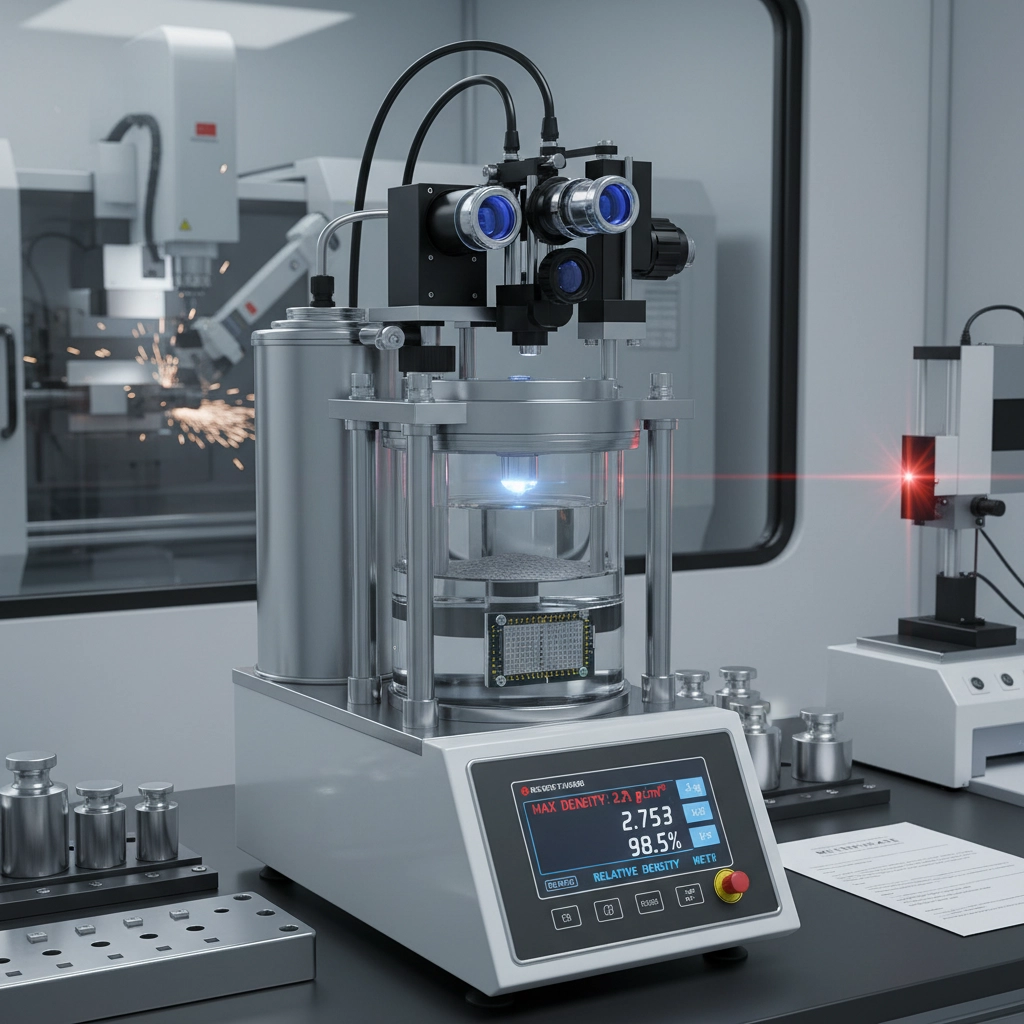
The precision of material analysis in the construction industry is fundamental to the structural integrity of modern infrastructure. Among the various tools utilized for quality control, the role of a Geotechnical laboratory compaction apparatus—or more specifically, specialized analyzers like the negative pressure screen analyzer for cement—is indispensable for ensuring that binding materials meet the most rigorous standards of fineness and purity.
Globally, the demand for high-performance cement has surged, requiring manufacturers to implement automated and highly accurate testing protocols. By utilizing advanced vacuum technology, these instruments allow engineers to detect irregularities in cement composition that traditional methods might overlook, thereby preventing the distribution of substandard materials that could jeopardize the safety of large-scale builds.
Investing in a reliable Geotechnical laboratory compaction apparatus and related cement testing technology ensures that production lines remain efficient and compliant with international regulatory bodies. This commitment to quality not only protects the manufacturer's reputation but also provides the essential data needed to optimize the chemical and physical properties of cement for diverse environmental conditions.

Global Importance of Cement Analysis Technology
The global construction landscape relies heavily on the consistency of cement, where even a slight deviation in fineness can lead to catastrophic structural failures. This is why the integration of a Geotechnical laboratory compaction apparatus and high-precision screen analyzers has become a standard in ISO-certified facilities worldwide.
By automating the sieve analysis process, manufacturers can maintain a steady output of high-quality binder, reducing the risk of human error and ensuring that every batch meets the specific requirements of the project, whether it be a high-rise urban development or a remote bridge project.
Defining the Negative Pressure Screen Analyzer
The negative pressure screen analyzer for cement is a specialized instrument designed to evaluate the fineness of cement powder using a vacuum-driven process. Unlike traditional shaking sieves, this device creates a controlled negative pressure environment that draws the cement particles through a precise 80μm mesh, allowing for a rapid and accurate determination of the residue.
In the context of a broader Geotechnical laboratory compaction apparatus setup, this analyzer serves as the primary gatekeeper for quality. It identifies impurities and irregularities in the composition, ensuring that only material with the optimal particle size distribution is released into the market, which is critical for the hydration process of cement.
This technology addresses a critical challenge in the industry: the need for real-time quality monitoring without disrupting the production flow. By providing immediate results, it allows plant managers to adjust grinding mills and other equipment instantly, maximizing efficiency and minimizing waste.
Core Components and Technical Precision
Achieving high accuracy in cement testing requires a combination of robust hardware and precise controls. A professional Geotechnical laboratory compaction apparatus configuration for fineness testing emphasizes the stability of the vacuum system, which in this analyzer is adjustable from 0 to -10,000Pa with a resolution of 10Pa.
The operational heart of the machine is the nozzle system, which rotates at 30 ± 2r/min and maintains a strict distance of 2-8mm from the screen. This ensures that the 25g cement sample is distributed evenly across the 80μm sieve, eliminating the "clumping" effect that often plagues manual testing methods in a Geotechnical laboratory compaction apparatus environment.
Furthermore, the automatic control time—typically set to 2 minutes at the factory—standardizes the testing process across different shifts and operators. This level of standardization is what allows manufacturers to meet the stringent quality standards set by international regulatory bodies and maintain a high level of consumer trust.
Operational Efficiency and Performance Metrics
The transition from manual sieving to an automated negative pressure system significantly boosts laboratory throughput. By reducing the analysis time and requiring minimal sample volumes, the Geotechnical laboratory compaction apparatus workflow becomes leaner and more data-driven.
Beyond speed, the energy efficiency of the system is noteworthy, with a power consumption of only 600W and a working noise level below 75dB. This makes it suitable for integration into a variety of laboratory settings without requiring extensive electrical upgrades or noise-dampening infrastructure.
Performance Analysis of Geotechnical Laboratory Compaction Apparatus Methods
Global Applications in Infrastructure Projects
In massive infrastructure projects, such as the construction of dams in Southeast Asia or highways in North America, the precision provided by a Geotechnical laboratory compaction apparatus is non-negotiable. The negative pressure screen analyzer ensures that the cement used in these high-stress environments has the exact fineness required for rapid setting and maximum strength.
Moreover, in post-disaster reconstruction efforts, where speed and reliability are paramount, these instruments allow for the rapid verification of locally sourced materials. This ensures that temporary and permanent shelters are built with materials that meet global safety standards, providing dignity and security to displaced populations.
Long-term Value and Safety Advantages
The long-term value of implementing a Geotechnical laboratory compaction apparatus extends beyond simple quality control; it is an investment in risk mitigation. By eliminating substandard cement from the supply chain, companies avoid the astronomical costs associated with structural repairs, legal liabilities, and brand damage.
From a logical perspective, the real-time data generated by the analyzer allows for a more sustainable production model. By optimizing the grinding process based on precise fineness data, plants can reduce energy consumption and lower their carbon footprint, aligning with global green building initiatives.
Emotionally, the use of advanced technology instills confidence in the end-user. Whether it is a government agency or a private developer, knowing that the materials have been vetted by a high-precision analyzer creates a foundation of trust and professional integrity in the engineering community.
Future Trends in Geotechnical Testing Automation
The future of the Geotechnical laboratory compaction apparatus is moving toward full digital transformation. We are seeing a shift toward "Smart Labs" where the negative pressure screen analyzer integrates directly with cloud-based LIMS (Laboratory Information Management Systems), allowing for remote monitoring of cement quality from anywhere in the world.
Automation is also expanding into the sample preparation phase. Future iterations are expected to incorporate robotic loading systems that can handle hundreds of samples per day with zero human intervention, further reducing the margin of error and increasing the consistency of results.
Additionally, there is a growing trend toward multi-parameter analyzers that can test fineness, moisture content, and chemical purity simultaneously. This holistic approach to material analysis will redefine the efficiency of cement production and set new benchmarks for the geotechnical industry.
Technical Specifications and Performance Metrics of Cement Analysis Systems
| Parameter Category |
Specification Detail |
Operational Range |
Performance Impact |
| Vacuum Control |
Adjustable Negative Pressure |
0 to -10,000Pa |
High |
| Sieve Precision |
Fineness Mesh Size |
80μm |
Critical |
| Cycle Time |
Automatic Control Time |
2 min (Standard) |
Medium |
| Sample Mass |
Required Cement Weight |
25g |
Medium |
| Power Efficiency |
Energy Consumption |
600W / 220V |
Low |
| Accuracy |
Measurement Tolerance |
± 100Pa |
High |
FAQS
Unlike standard sieves that rely on mechanical agitation, a negative pressure analyzer uses a vacuum to draw particles through the mesh. This process is significantly faster, more consistent, and eliminates the risk of sample contamination or uneven distribution common in manual shaking methods.
The system is optimized for a 25g cement sample. Using this precise amount ensures that the vacuum pressure is distributed correctly across the 80μm screen, providing a representative result of the material's overall fineness without overloading the nozzle system.
While specifically designed for cement, the core technology of the negative pressure analyzer can be adapted for other fine powders in geotechnical applications. However, the sieve mesh size (currently 80μm) must be compatible with the target material's required fineness standards.
Replacement frequency depends on the volume of samples processed and the abrasiveness of the cement. We recommend a daily inspection for tears or clogging. To maintain high precision, the 80μm screen should be replaced whenever residues begin to deviate from established baselines.
Yes, the working negative pressure is fully adjustable from 0 to -10,000Pa. This flexibility allows laboratory technicians to calibrate the suction force based on the specific density and grade of the cement being analyzed, ensuring maximum accuracy.
The apparatus operates on a standard 220V ± 10% power supply with a total consumption of 600W. This makes it compatible with most industrial and commercial laboratory power grids without the need for specialized high-voltage transformers.
Conclusion
The integration of a high-precision negative pressure screen analyzer into the Geotechnical laboratory compaction apparatus workflow is a critical step for any cement manufacturer aiming for excellence. By combining vacuum-driven precision, automated timing, and rigorous technical parameters, these instruments ensure that every grain of cement contributes to the safety and longevity of the structures it supports.
As the industry moves toward greater automation and sustainability, the reliance on accurate, real-time data will only increase. We encourage laboratory managers to upgrade their quality control systems to include advanced negative pressure technology, ensuring they remain competitive in a global market that values safety and precision above all else. Visit our website: www.czlabinstrument.com