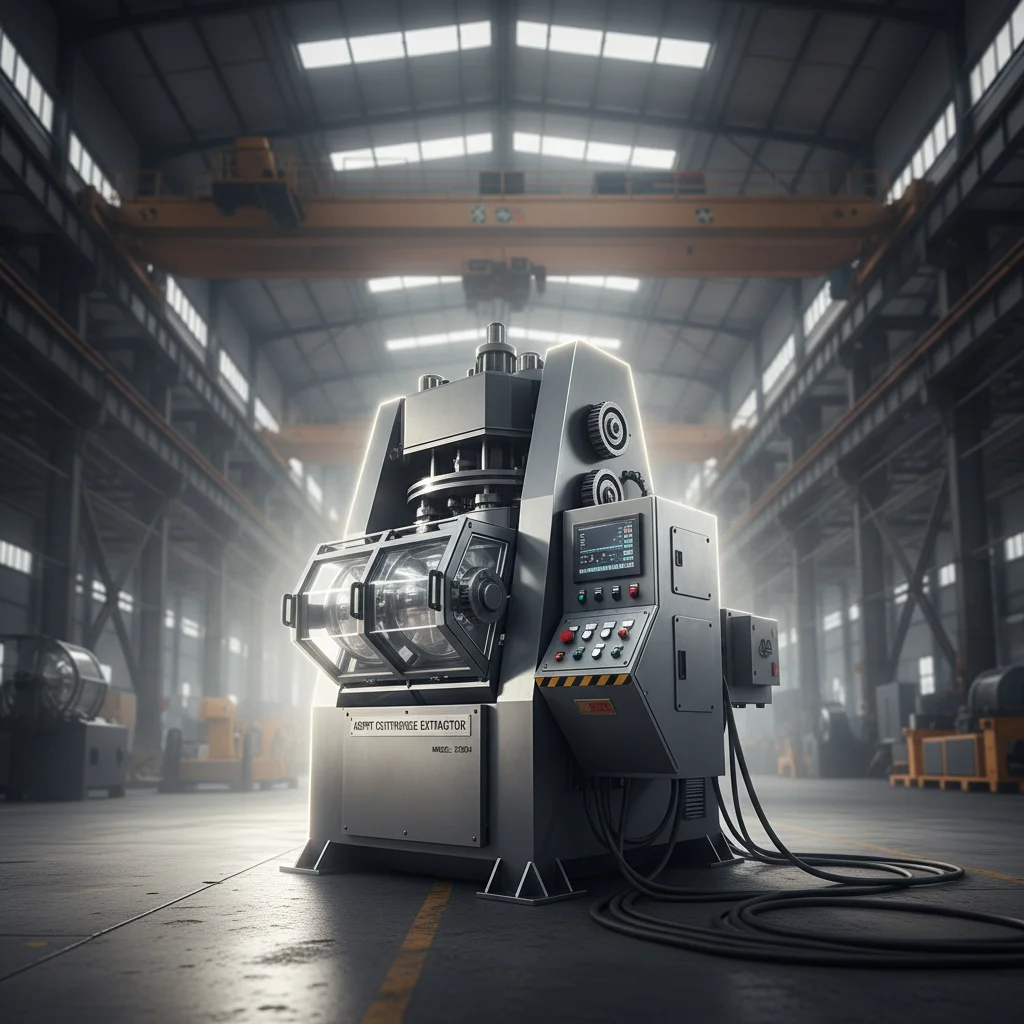
The pursuit of infrastructure durability in modern civil engineering relies heavily on the precision of material testing. Among the most critical tools used to ensure the longevity and stability of road surfaces is the Digital Marshall Stability Test Apparatus, which allows engineers to determine the load-bearing capacity and flow of asphalt mixtures. By utilizing digital precision, these systems eliminate the subjectivity of analog readings, providing a standardized benchmark for road construction quality globally.
In an era where urban expansion and heavy logistics put unprecedented stress on transportation networks, the ability to accurately predict material failure is paramount. The integration of digital sensors and automated data acquisition in the Digital Marshall Stability Test Apparatus ensures that bituminous mixtures can withstand extreme weather conditions and high traffic volumes. This technological evolution reflects a broader industry shift toward data-driven quality control and sustainable infrastructure management.
For professionals in the asphalt and bitumen testing sector, choosing the right equipment means balancing efficiency with uncompromising accuracy. Implementing a Digital Marshall Stability Test Apparatus allows laboratories to streamline their workflow, reduce human error, and adhere to strict international standards such as ASTM and AASHTO, ultimately ensuring safer roads for the public.

The Industry Significance of Digital Marshall Stability Test Apparatus
The global construction industry is under immense pressure to build roads that last longer while using fewer resources. The Digital Marshall Stability Test Apparatus serves as the cornerstone of this effort by providing precise data on the stability (maximum load) and flow (deformation) of bituminous samples. Without this level of scrutiny, the risk of rutting and cracking increases, leading to costly repairs and hazardous driving conditions.
By digitizing the measurement process, laboratories can now maintain a detailed electronic history of material performance. This transition from manual dials to digital displays not only speeds up the testing process but also aligns with ISO quality management systems, ensuring that every batch of asphalt used in a highway project meets the exact specifications required for its intended load.
Technical Definition and Operational Logic
A Digital Marshall Stability Test Apparatus is a specialized laboratory instrument designed to measure the resistance of a compacted asphalt specimen to a specific loading rate. It typically involves heating the specimen in a regulated water bath and then applying a vertical compressive load until the sample fails. The "stability" is the peak load recorded, while "flow" is the total deformation that occurs at that peak load.
The "digital" aspect refers to the integration of load cells and digital processors that replace the traditional needle-and-gauge systems. This allows for the capture of instantaneous peak values with a degree of accuracy that eliminates parallax error and operator bias, making the results reproducible across different laboratories and geographical regions.
Operationally, the device ensures that the sample is tested under standardized temperature and loading speed conditions. By controlling these variables, the apparatus provides a reliable simulation of how the asphalt will behave under real-world traffic loads, allowing engineers to optimize the binder content and aggregate grading for maximum pavement life.
Core Components for Maximum Precision
The precision of a Digital Marshall Stability Test Apparatus depends on the synergy between its mechanical frame and its electronic sensing system. High-grade steel alloys are used in the loading frame to prevent frame deflection, which could otherwise introduce errors into the stability readings. The integration of high-precision load cells ensures that the force applied is measured with millinewton accuracy.
Temperature control is equally vital, as the viscosity of bitumen is highly sensitive to thermal changes. A Digital Marshall Stability Test Apparatus is often paired with a thermostatic water bath to ensure the specimen is conditioned at precisely 60°C (or other specified temperatures), preventing premature failure or artificial inflation of stability values.
Furthermore, the digital interface allows for the automatic calculation of flow and stability. Modern units feature LCD screens that provide real-time feedback, allowing the technician to monitor the deformation curve and immediately identify any anomalies in the specimen's structural integrity during the compression process.
Comparative Performance Analysis of Testing Methods
When comparing the digital approach to traditional analog methods, the most striking difference is the reduction in data volatility. Analog systems require the operator to visually track a needle, which can lead to inconsistent readings. In contrast, the Digital Marshall Stability Test Apparatus captures the absolute peak load electronically, ensuring a standard that is independent of the technician's experience level.
Efficiency is another key differentiator. Digital systems can export data directly to software, eliminating the need for manual logging and reducing the time required for report generation. This allows for a higher throughput of samples per day, which is critical during the peak of large-scale infrastructure projects where rapid material approval is necessary.
Efficiency and Accuracy Comparison of Testing Systems
Global Applications in Infrastructure Development
Across the globe, the Digital Marshall Stability Test Apparatus is utilized in both government-run quality control labs and private civil engineering firms. In rapidly developing regions of Southeast Asia and Africa, where road networks are being expanded to facilitate trade, this equipment ensures that new highways can withstand the heavy axle loads of commercial trucking without premature deterioration.
In North America and Europe, the focus has shifted toward the use of recycled asphalt pavement (RAP). The Digital Marshall Stability Test Apparatus is instrumental in testing these sustainable mixes, allowing researchers to determine how the addition of recycled materials affects the stability and flow of the road surface, thus promoting a circular economy in construction.
Long-Term Value and Safety Implications
The long-term value of investing in high-precision testing equipment extends far beyond the initial purchase cost. By accurately predicting the stability of asphalt, authorities can implement preventive maintenance schedules rather than reactive repairs. This not only saves millions in taxpayer funds but also significantly reduces the traffic congestion associated with frequent emergency roadworks.
From a safety perspective, the stability of the road surface is directly linked to vehicle control. A road that fails due to poor mix design can develop deep ruts that cause hydroplaning during rainstorms. The rigorous testing provided by the Digital Marshall Stability Test Apparatus minimizes these risks, ensuring a consistent friction coefficient and structural integrity across the entire pavement life cycle.
Furthermore, the reliability of digital data creates a transparent audit trail. In the event of a road failure, engineers can refer back to the digital logs of the testing apparatus to determine if the failure was a result of material deficiency or environmental factors, facilitating fair accountability and continuous improvement in mix design.
Future Innovations in Digital Pavement Testing
The next generation of pavement testing is moving toward full automation and IoT integration. We are seeing the emergence of systems where the Digital Marshall Stability Test Apparatus can automatically upload results to a cloud-based database, allowing project managers to monitor material quality in real-time from a remote office. This synchronization reduces the lag between testing and construction.
Another exciting trend is the integration of AI-driven predictive modeling. By feeding thousands of stability and flow data points into machine learning algorithms, the industry is beginning to predict long-term pavement aging without needing to simulate decades of wear. This shift transforms the apparatus from a simple measurement tool into a predictive analytics hub.
Sustainability remains the driving force for innovation. Future iterations of these testing systems are focusing on reducing the energy consumption of the associated heating baths and integrating biodegradable components in the specimen holders, aligning the testing process with the green goals of the modern construction industry.
Comparison of Digital Testing Parameters across Different Asphalt Mixes
|
Mix Category
|
Stability Target (kN)
|
Flow Range (mm)
|
Testing Priority
|
| Heavy Duty Highway |
11 - 15 |
2.0 - 4.0 |
High Stability |
| Urban Residential |
8 - 11 |
2.0 - 4.0 |
Balanced Flow |
| Airport Runway |
13 - 18 |
1.5 - 3.0 |
Max Compression |
| Recycled RAP Mix |
9 - 13 |
2.5 - 4.5 |
Ductility Check |
| Industrial Port |
12 - 16 |
2.0 - 3.5 |
Load Resistance |
| Parking Lot |
7 - 10 |
3.0 - 5.0 |
Flexibility |
FAQS
The primary advantage of a Digital Marshall Stability Test Apparatus is the elimination of human error. Analog systems rely on the operator to read a dial, which can lead to parallax error. Digital systems use high-precision load cells to capture the exact peak load and deformation instantly, providing reproducible data and a digital audit trail for quality compliance.
Asphalt's stability is temperature-dependent; if the specimen is too cold, it will appear artificially stiff, and if too hot, it will deform too easily. A thermostatic water bath ensures the specimen is kept at a precise temperature (typically 60°C), which is crucial for the Digital Marshall Stability Test Apparatus to produce standardized and accurate results.
Yes, it is an essential tool for testing RAP. Because recycled asphalt often has different binder properties than virgin bitumen, engineers use the Digital Marshall Stability Test Apparatus to determine the optimal amount of rejuvenating agent or new binder needed to achieve the required stability and flow targets.
To maintain compliance with ASTM or AASHTO standards, the load cell of a Digital Marshall Stability Test Apparatus should be calibrated at least once a year or after any significant move. Regular calibration ensures that the force applied remains accurate, preventing the acceptance of substandard materials that could lead to road failure.
The standard loading rate is typically 50.8 mm per minute. The Digital Marshall Stability Test Apparatus is designed to maintain this constant speed precisely, as variations in the loading rate can significantly alter the peak stability value and the recorded flow, compromising the test's validity.
Most modern Digital Marshall Stability Test Apparatus models feature USB or RS232 interfaces that allow data to be exported directly to Excel or specialized laboratory management software. This reduces manual entry errors and speeds up the process of comparing multiple mix designs.
Conclusion
The Digital Marshall Stability Test Apparatus stands as an indispensable tool in the modern civil engineering toolkit, bridging the gap between theoretical mix design and real-world pavement performance. By providing high-precision measurements of stability and flow, it ensures that the infrastructure we rely on is built to withstand the demands of modern traffic while embracing sustainable material practices.
As the industry moves toward smarter, more automated testing environments, the integration of digital sensing and data analytics will only deepen. Investing in reliable, high-precision testing equipment is not just a matter of regulatory compliance, but a commitment to public safety and long-term economic efficiency in infrastructure development. Visit our website: www.czlabinstrument.com