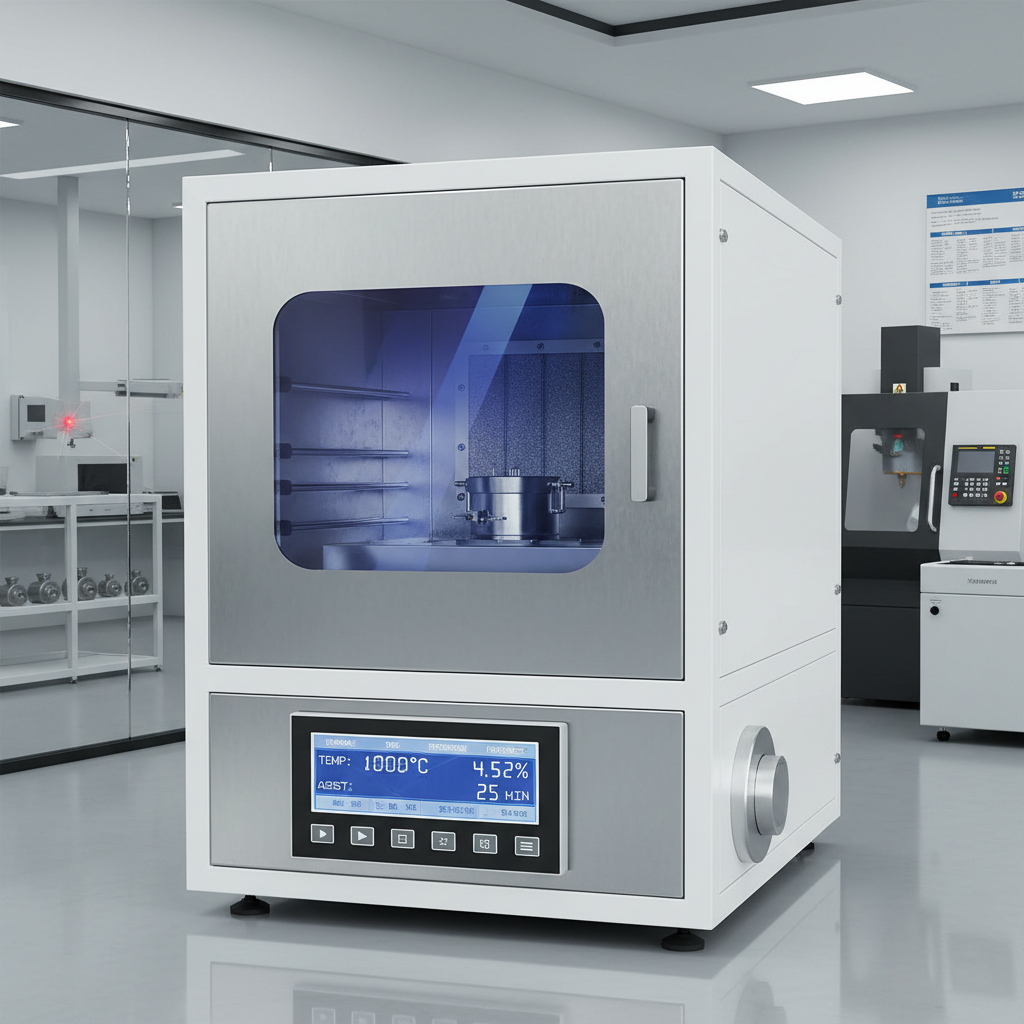
The accuracy of binder content measurement is the cornerstone of road construction quality and longevity. The Ignition Method Asphalt Content Furnace has emerged as the gold standard for laboratories worldwide, providing a rapid, environmentally friendly alternative to traditional chemical solvent extraction. By utilizing high-temperature combustion to remove the bitumen from the aggregate, this technology ensures that infrastructure projects meet stringent international safety and durability standards.
Globally, the shift toward sustainable construction has put immense pressure on testing facilities to reduce the use of hazardous chemicals like trichloroethylene. The adoption of the Ignition Method Asphalt Content Furnace directly addresses these ecological concerns while simultaneously increasing the throughput of quality control labs. This transition is not merely about equipment upgrades but about integrating precision engineering with environmental stewardship in the civil engineering sector.
Understanding the nuances of the ignition process—from temperature calibration to sample weight stabilization—is critical for any materials engineer. Whether managing a municipal road project or a massive highway expansion, utilizing a high-performance Ignition Method Asphalt Content Furnace allows for real-time adjustments in asphalt plant production, reducing waste and preventing premature pavement failure.
In the modern era of global infrastructure development, the demand for high-precision road materials is at an all-time high. According to ISO standards and various national transport ministries, the binder content in asphalt mixtures determines the balance between stability and flexibility. The Ignition Method Asphalt Content Furnace solves the critical challenge of "testing lag," where traditional centrifuge methods took hours or days, delaying production decisions at the asphalt plant.
The global industry is currently facing a dual challenge: the need for faster construction cycles and the strict enforcement of environmental regulations regarding volatile organic compounds (VOCs). By eliminating the need for solvents, these furnaces align with the World Bank's green procurement guidelines for infrastructure projects, ensuring that the path to modernization does not come at the cost of planetary health.
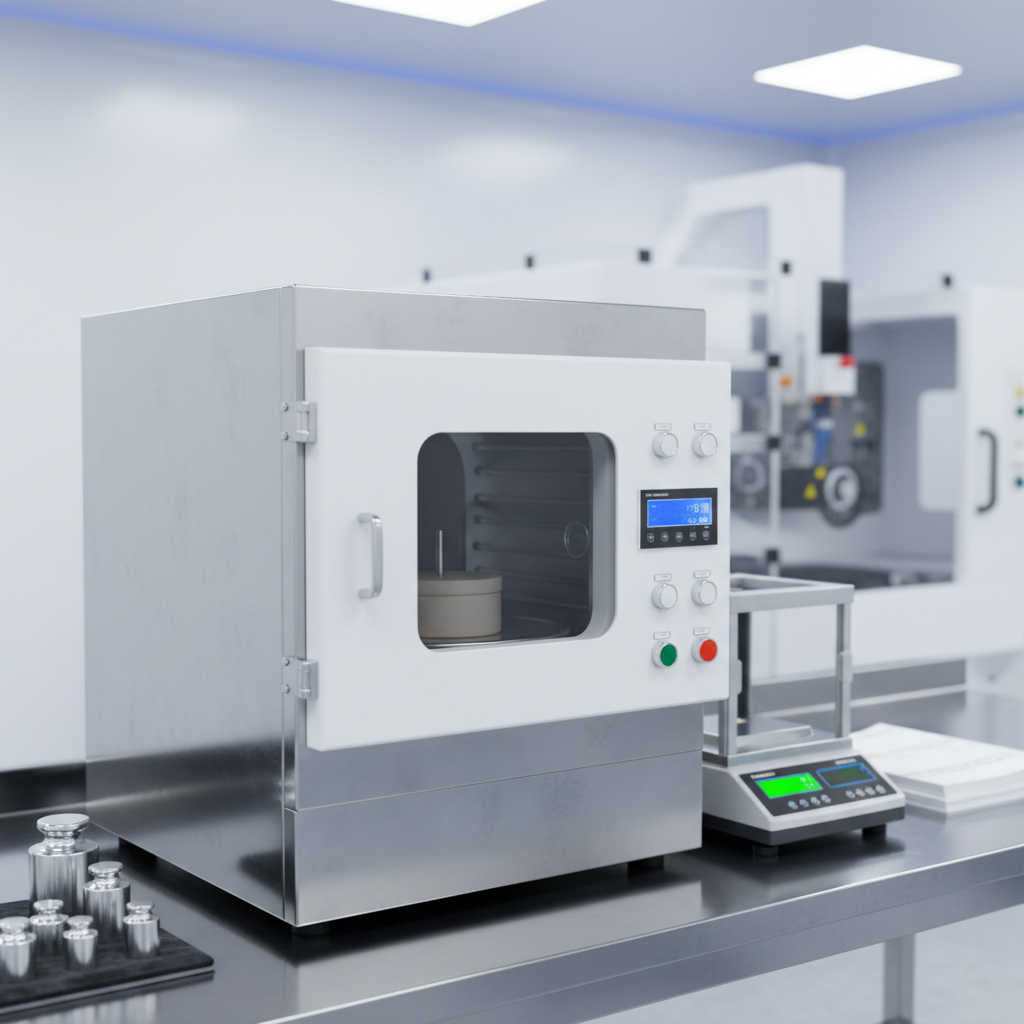
At its core, an Ignition Method Asphalt Content Furnace is a high-precision thermal processing unit designed to determine the asphalt content of a mixture by burning off the bitumen. Unlike traditional methods that "wash" the binder away, the ignition method uses controlled heat to oxidize the asphalt into carbon dioxide and water vapor, leaving behind only the clean mineral aggregate.
This process is deeply connected to the humanitarian need for safe and durable transport networks. In developing regions, the failure of a road due to incorrect binder content can isolate entire communities from healthcare and markets. The simplicity and reliability of the ignition furnace make it an essential tool for ensuring that road surfaces can withstand heavy loads and extreme weather conditions without premature cracking.
From a technical standpoint, the device operates on the principle of weight loss. By comparing the initial weight of the sample to the weight after the binder has been completely combusted, the furnace calculates the exact percentage of asphalt. This digital precision removes the human error associated with manual solvent filtration, providing a transparent and auditable data trail for quality assurance.
The efficiency of an Ignition Method Asphalt Content Furnace depends largely on its thermal stability. High-grade heating elements and advanced insulation ensure that the internal chamber reaches the required combustion temperature quickly and maintains it uniformly across all samples, preventing "cold spots" that could lead to under-burnt bitumen.
Precision weighing is the second critical factor. Most modern Ignition Method Asphalt Content Furnace units integrate a high-resolution electronic balance directly into the heating cycle. This allows the machine to automatically track weight loss in real-time, stopping the process exactly when a constant weight is achieved, which prevents the overheating and degradation of the aggregate itself.
Finally, ventilation and emission control are paramount. To maintain a safe laboratory environment, these furnaces employ sophisticated exhaust systems that pull combustion gases away from the operator. This ensures that the process is not only efficient but also compliant with occupational health and safety standards, making it a scalable solution for large-scale industrial labs.
When evaluating the effectiveness of an Ignition Method Asphalt Content Furnace, labs typically look at the trade-off between speed and accuracy. While traditional methods are slow, the ignition method provides results in a fraction of the time, allowing plant operators to adjust the bitumen feed rate in near real-time.
The following data represents the comparative efficiency and reliability scores across different operational modes of modern ignition technology, highlighting why automated systems are becoming the industry preference for large-scale projects.
In North American and European highway projects, the Ignition Method Asphalt Content Furnace is widely integrated into automated quality control workflows. For instance, during the construction of high-traffic interstate corridors, rapid testing allows engineers to verify the binder content of every few hundred tons of mix, ensuring the road doesn't rut under the pressure of heavy freight logistics.
In remote industrial zones or post-disaster relief operations where chemical supply chains are broken, the ignition furnace becomes a lifeline. When rebuilding bridges or airstrips in remote areas, the ability to test asphalt without needing shipments of hazardous solvents allows local engineers to maintain strict quality standards using only electricity, significantly speeding up the recovery of critical transport links.
The long-term value of investing in an Ignition Method Asphalt Content Furnace extends far beyond simple time savings. From a financial perspective, the elimination of solvent procurement and hazardous waste disposal costs provides a significant reduction in operational overhead. Over a five-year period, the ROI is realized not just in labor efficiency, but in the mitigation of environmental liability risks.
Beyond the numbers, there is a profound impact on laboratory safety and employee dignity. Working with toxic solvents in poorly ventilated spaces is a legacy burden of the construction industry. Transitioning to ignition technology protects the health of laboratory technicians, fostering a culture of innovation and care that attracts younger, more tech-savvy engineers to the field of materials science.
Furthermore, the reliability of the data produced by these furnaces builds a foundation of trust between contractors and government auditors. When every test result is backed by a digital timestamp and an automated weight-loss curve, the potential for disputes over pavement failure is minimized, ensuring that public funds are spent on infrastructure that truly lasts.
The future of the Ignition Method Asphalt Content Furnace is inextricably linked to the Industrial Internet of Things (IIoT). We are seeing a shift toward "Smart Furnaces" that can upload test results directly to cloud-based project management software. This allows project managers to monitor binder content in real-time from a remote dashboard, triggering immediate alerts if the mix deviates from the design specifications.
Sustainability will continue to drive innovation, with new models incorporating energy-recovery systems that reuse waste heat to pre-warm samples. Additionally, the integration of AI-driven predictive analysis will allow furnaces to optimize heating profiles based on the specific type of aggregate being used, further reducing energy consumption while increasing the speed of the ignition process.
As we move toward "Green Highways," the role of the ignition furnace will evolve to handle bio-bitumen and recycled asphalt pavements (RAP) more effectively. The ability to precisely quantify the content of recycled binders will be crucial for the circular economy in construction, ensuring that recycled materials do not compromise the structural integrity of our roads.
| Equipment Tier | Testing Speed | Accuracy Index | Eco-Friendliness |
|---|---|---|---|
| Standard Ignition Unit | Moderate (45-60 min) | 8/10 | High |
| Advanced Digital Furnace | Fast (30-40 min) | 9/10 | Very High |
| Automated Lab System | Rapid (20-30 min) | 10/10 | Extreme |
| High-Throughput Model | Batch Processed | 9/10 | High |
| Compact Field Unit | Moderate (50 min) | 7/10 | High |
| Legacy Solvent Method | Very Slow (Hours) | 8/10 | Low |
The primary difference is the method of binder removal. The centrifuge method uses chemical solvents to dissolve the bitumen, which is then spun out. The Ignition Method Asphalt Content Furnace uses high-temperature combustion to burn the bitumen away. The ignition method is significantly faster, safer for the operator, and eliminates the need for hazardous chemicals.
Yes, but some aggregates (like limestone) may lose weight due to the release of chemically bound water at high temperatures. To correct this, a "correction factor" is determined by burning a sample of the aggregate alone. High-end Ignition Method Asphalt Content Furnaces often allow you to program these correction factors directly into the system for automatic adjustment.
Annual calibration is generally recommended to ensure the temperature sensors and integrated balances are functioning within ISO/ASTM specifications. However, daily "zeroing" of the balance and weekly verification with a known standard sample are best practices for labs utilizing an Ignition Method Asphalt Content Furnace in high-volume production environments.
Modern units are designed with high-density thermal insulation and precise PID temperature controllers to minimize energy waste. While they require significant power to reach combustion temperatures, the reduction in overall lab energy used for solvent recovery systems and waste management makes the ignition furnace a more sustainable choice overall.
The most critical precaution is ensuring a functioning exhaust ventilation system to remove combustion fumes. Operators should also use heat-resistant gloves and tongs when handling samples. Most professional Ignition Method Asphalt Content Furnaces include built-in over-temperature protection and automatic shut-off switches to prevent accidents.
Consider your daily sample throughput. For small municipal labs, a single-sample unit is sufficient. For large contractors or plant-side testing, a multi-sample Ignition Method Asphalt Content Furnace is essential to avoid bottlenecks in the quality control process. Always ensure the furnace footprint fits your existing ventilation layout.
The Ignition Method Asphalt Content Furnace represents a pivotal evolution in civil engineering materials testing, bridging the gap between rigorous quality standards and environmental responsibility. By replacing hazardous chemical extraction with precise thermal combustion, this technology has not only accelerated the pace of road construction but has also enhanced the safety and health of the professionals involved. From its core components of thermal stability and precision weighing to its strategic application in global infrastructure, the ignition furnace ensures that our roads are built on a foundation of accurate data and sustainable practices.
Looking forward, the integration of automation and IIoT will further refine the precision of asphalt testing, making "zero-defect" pavement a tangible goal. For laboratories and construction firms aiming to remain competitive in a green economy, upgrading to a high-performance ignition system is no longer an option—it is a necessity. We encourage you to prioritize precision and sustainability in your next equipment acquisition to ensure the longevity of your projects. Visit our website: www.czlabinstrument.com
If you are interested in our products, you can choose to leave your information here, and we will be in touch with you shortly.