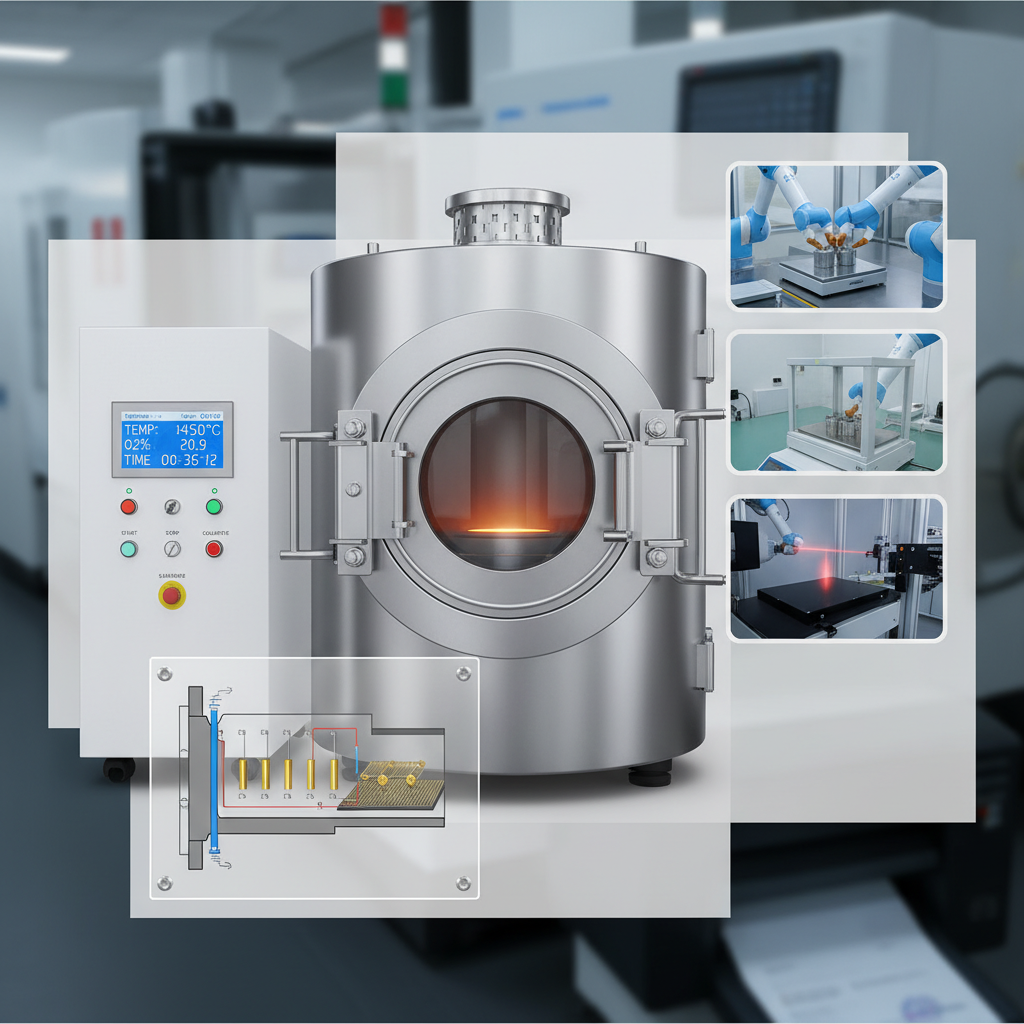
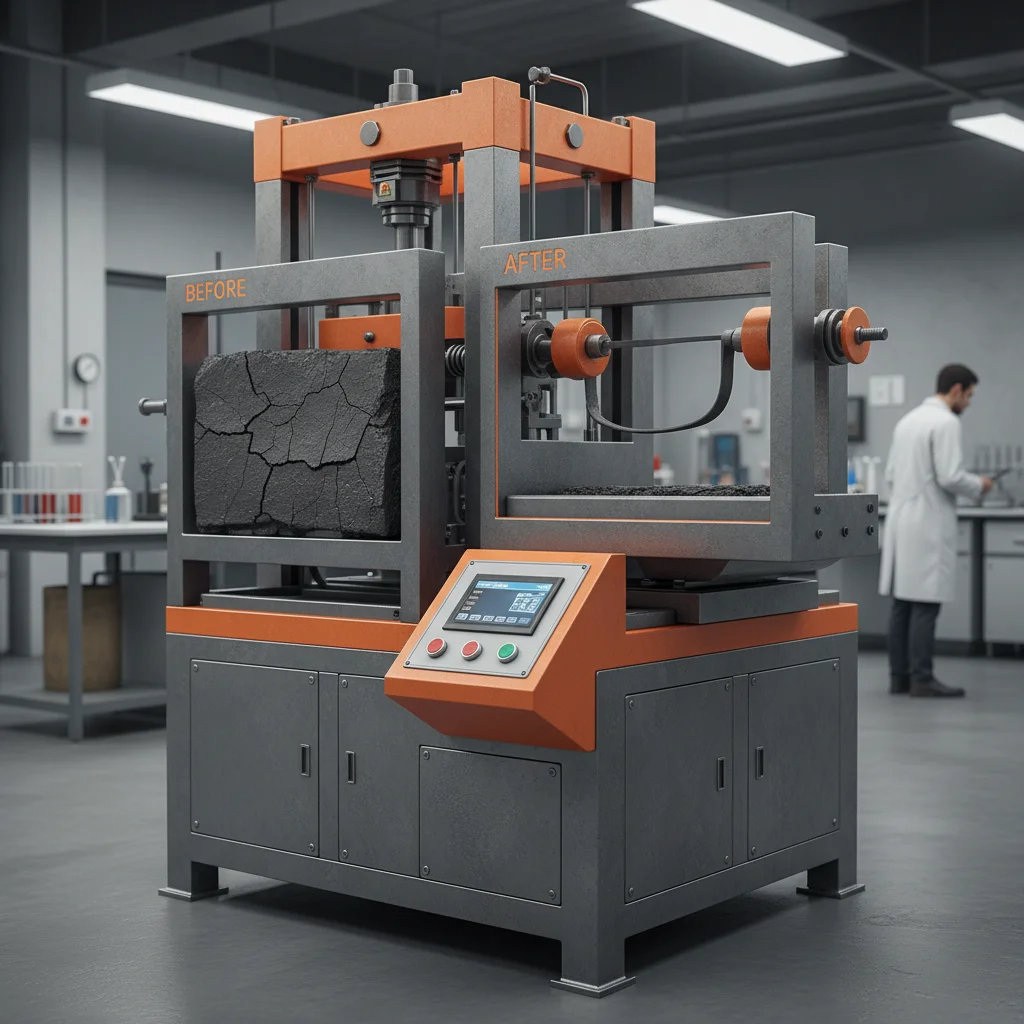
The Asphalt Combustion Furnace serves as a critical cornerstone in the field of pavement engineering and materials science. By utilizing controlled thermal oxidation to remove bitumen from mineral aggregates, it allows engineers to determine the precise bitumen content of a mixture, ensuring that road surfaces meet strict safety and durability standards. In an era where infrastructure longevity is paramount, the precision of this equipment directly impacts the quality of global transportation networks.
Globally, the demand for high-precision bitumen analysis has surged as nations invest in "smart" highways and sustainable urban planning. The Asphalt Combustion Furnace addresses the fundamental challenge of removing organic binders without compromising the integrity of the mineral aggregates. Without this precise measurement, road contractors risk creating pavements that are either too brittle or too soft, leading to premature cracking or rutting under heavy traffic loads.
Understanding the operational nuances of an Asphalt Combustion Furnace is not merely a technical requirement but a commitment to engineering excellence. From ensuring ISO compliance to optimizing material costs, the implementation of advanced combustion technology allows laboratories to achieve repeatable, high-accuracy results. This guide explores the technical depth, global applications, and future innovations of this essential laboratory instrument.

Global Relevance of Asphalt Combustion Furnace
In the context of international infrastructure development, the Asphalt Combustion Furnace is indispensable for adhering to ASTM and AASHTO standards. As emerging economies in Southeast Asia and Africa expand their road networks, the need for standardized bitumen extraction methods has become a priority to prevent systemic road failures. The ability to accurately quantify binder content ensures that materials are used efficiently, reducing waste and environmental impact.
Furthermore, the global push toward "Green Asphalt" and the use of recycled asphalt pavement (RAP) has placed renewed importance on the Asphalt Combustion Furnace. Laboratories must now analyze complex blends of virgin and reclaimed bitumen to ensure the resulting mix possesses the necessary viscoelastic properties to withstand extreme temperature fluctuations in diverse climates.
Technical Definition and Industrial Meaning
An Asphalt Combustion Furnace is a specialized high-temperature laboratory oven designed to burn off the bitumen binder from an asphalt sample through controlled combustion. Unlike traditional solvent extraction methods, which involve hazardous chemicals like trichloroethylene, the combustion method uses heat and oxygen to oxidize the bitumen, leaving behind only the clean mineral aggregate for weighing.
From an industrial perspective, this equipment represents a shift toward safer and more environmentally sustainable laboratory practices. By eliminating the need for volatile organic compounds (VOCs), the Asphalt Combustion Furnace protects lab technicians from toxic fumes and reduces the cost associated with hazardous waste disposal, aligning with modern ESG (Environmental, Social, and Governance) goals.
Ultimately, the "meaning" of this technology lies in its ability to provide a definitive mass balance. By comparing the initial weight of the mixture with the weight of the aggregates after combustion, the exact percentage of bitumen is derived. This data is the primary trigger for adjusting batching plants in real-time, ensuring every kilometer of road is built to the same rigorous specification.
Core Components for Maximum Precision
The efficacy of an Asphalt Combustion Furnace relies heavily on its heating element and thermal insulation. High-grade Kanthal or ceramic heating elements are typically employed to reach temperatures exceeding 500°C rapidly and consistently, ensuring that the combustion process is complete and that no carbon residue remains on the aggregate surfaces.
A critical component is the digital PID temperature controller, which prevents the Asphalt Combustion Furnace from overheating. Overheating can lead to the decomposition of certain mineral aggregates (such as limestone), which would result in a loss of mineral mass and an artificially inflated bitumen content reading, thereby compromising the entire test result.
Additionally, the integration of an automatic weighing system—where the crucible is weighed before and after combustion without leaving the furnace environment—significantly reduces human error. This closed-loop system in the Asphalt Combustion Furnace ensures that moisture fluctuations and air currents do not interfere with the micro-gram precision required for professional asphalt analysis.
Performance Metrics in Pavement Testing
When evaluating the performance of different Asphalt Combustion Furnace models, engineers look at heating rates, temperature stability, and the duration of the combustion cycle. A high-performance unit can reduce testing time from hours to minutes, which is vital for quality control teams working on large-scale highway projects where rapid feedback from the lab to the paving site is required.
The reliability of the Asphalt Combustion Furnace is often measured by its repeatability across different sample types, ranging from dense-graded hot mix asphalt to porous asphalt used in noise-reduction zones. The following data illustrates the comparative efficiency and accuracy ratings of various combustion methodologies.
Efficiency Analysis of Asphalt Combustion Furnace Technologies
Real-World Applications and Global Use Cases
In the bustling metropolitan areas of North America and Europe, the Asphalt Combustion Furnace is heavily used in the auditing of municipal road contracts. Government agencies utilize these furnaces to verify that contractors are using the specified percentage of binder, preventing the "under-bituming" of roads which often leads to potholes and surface disintegration during winter freeze-thaw cycles.
In remote industrial zones, such as mining sites in Australia or oil fields in the Middle East, the Asphalt Combustion Furnace is deployed in mobile laboratories. These units allow engineers to perform on-site quality checks of haul roads, ensuring that the heavy-duty pavements can support the weight of 400-ton trucks without deformation, thereby minimizing operational downtime in high-stakes industrial environments.
Long-Term Value and Operational Advantages
The long-term value of investing in a high-quality Asphalt Combustion Furnace manifests in the significant reduction of operational overhead. By eliminating the need for expensive solvents and the associated safety certifications for chemical storage, laboratories can redirect their budget toward more advanced testing parameters, such as rheological analysis and fatigue testing.
Beyond the financial gains, there is a profound safety and dignity aspect. Lab technicians are no longer exposed to the carcinogenic risks associated with solvent extraction. The transition to an Asphalt Combustion Furnace creates a cleaner, more professional working environment, which improves staff retention and operational morale in civil engineering labs.
Reliability is the ultimate currency in road construction. Using a calibrated Asphalt Combustion Furnace builds trust between the consultant, the contractor, and the client. When a project is backed by precise combustion data, the risk of costly litigation over pavement failure is drastically reduced, providing peace of mind and ensuring the structural integrity of the built environment.
Future Trends in Bitumen Testing Technology
The future of the Asphalt Combustion Furnace is inextricably linked to the digital transformation of the construction industry. We are seeing the emergence of "IoT-enabled" furnaces that can upload combustion data directly to a cloud-based project management system. This allows lead engineers to monitor binder content across multiple project sites in real-time from a central office.
Sustainability is also driving innovation. New Asphalt Combustion Furnace designs are focusing on energy-efficient insulation and rapid-cooling cycles to reduce the carbon footprint of the laboratory itself. There is also research into integrating infrared sensors to detect the exact moment of combustion completion, further optimizing energy use and testing speed.
Furthermore, as the industry moves toward bio-binders and polymer-modified bitumen, the Asphalt Combustion Furnace is evolving to handle these new materials. Advanced temperature profiling ensures that complex polymer chains are completely oxidized without damaging the mineral skeleton, ensuring that the next generation of sustainable roads is just as durable as the traditional ones.
Technical Comparison of Asphalt Combustion Furnace Configurations
| Configuration Type |
Heating Efficiency |
Precision Level |
Environmental Impact |
| Basic Electric Model |
Moderate |
7/10 |
Low Carbon |
| Digital PID Control |
High |
9/10 |
Low Carbon |
| Auto-Weighing Unit |
Very High |
10/10 |
Minimal |
| Manual Gas Burner |
Rapid |
5/10 |
Moderate Emissions |
| Hybrid Solar-Electric |
Moderate |
8/10 |
Zero Carbon |
| Industrial Batch Furnace |
Massive |
8/10 |
Moderate |
FAQS
Unlike solvent extraction, which uses chemicals to dissolve bitumen, an Asphalt Combustion Furnace uses high temperatures to burn the binder away. This is significantly safer, faster, and more environmentally friendly as it produces no toxic chemical waste, making it the preferred choice for modern ISO-certified laboratories.
If the temperature is too high, certain aggregates like limestone can decompose, causing weight loss and inaccurate results. However, a professional Asphalt Combustion Furnace equipped with a PID controller maintains a precise temperature ceiling to prevent aggregate degradation while ensuring complete bitumen combustion.
Depending on the sample size and the model of the Asphalt Combustion Furnace, the process typically takes between 30 to 90 minutes. Advanced auto-weighing models can further streamline this by integrating the weighing process, reducing the total turnaround time for a single sample.
Yes, it is suitable for most hot-mix and cold-mix asphalts. However, for samples containing high percentages of certain volatile additives or very specific polymer modifiers, it is recommended to calibrate the Asphalt Combustion Furnace using a known reference sample to ensure no mineral loss occurs.
Regular maintenance involves cleaning the combustion chamber to remove ash buildup, inspecting the heating elements for wear, and periodic calibration of the temperature sensors and weighing scales. Ensuring the exhaust system is clear is also vital for the safe operation of the Asphalt Combustion Furnace.
Most professional-grade Asphalt Combustion Furnace units are designed specifically to meet or exceed ASTM D2172 and AASHTO T 164 standards. This ensures that the data generated is legally and technically defensible in international construction audits.
Conclusion
The Asphalt Combustion Furnace stands as an essential instrument in the pursuit of infrastructure durability and safety. By providing a precise, chemical-free method for bitumen content analysis, it enables engineers to optimize material usage, ensure compliance with global standards, and protect the environment. From the critical role of PID temperature control to the efficiency of auto-weighing systems, every technical detail contributes to the long-term stability of the roads we travel every day.
Looking ahead, the integration of IoT and energy-efficient heating will further elevate the capabilities of bitumen testing. For laboratories aiming to stay competitive and sustainable, upgrading to a modern Asphalt Combustion Furnace is not just an equipment purchase—it is a strategic investment in quality assurance and engineering integrity. We invite you to enhance your laboratory's precision and safety today. Visit our website: www.czlabinstrument.com