
Understanding the Importance of a Lab Clean Bench for Scientific Research
Understanding the Significance of a Lab Clean Bench
Maintaining a sterile environment is paramount in numerous scientific and technological applications. A lab clean bench, also known as a laminar flow hood, provides this crucial level of protection for experiments, samples, and personnel. This article delves into the world of lab clean benches, exploring their types, applications, key features, and how to select the right one for your specific needs. From ensuring product safety in pharmaceutical research to preserving delicate cell cultures, a well-chosen clean bench is an indispensable asset to any modern laboratory.
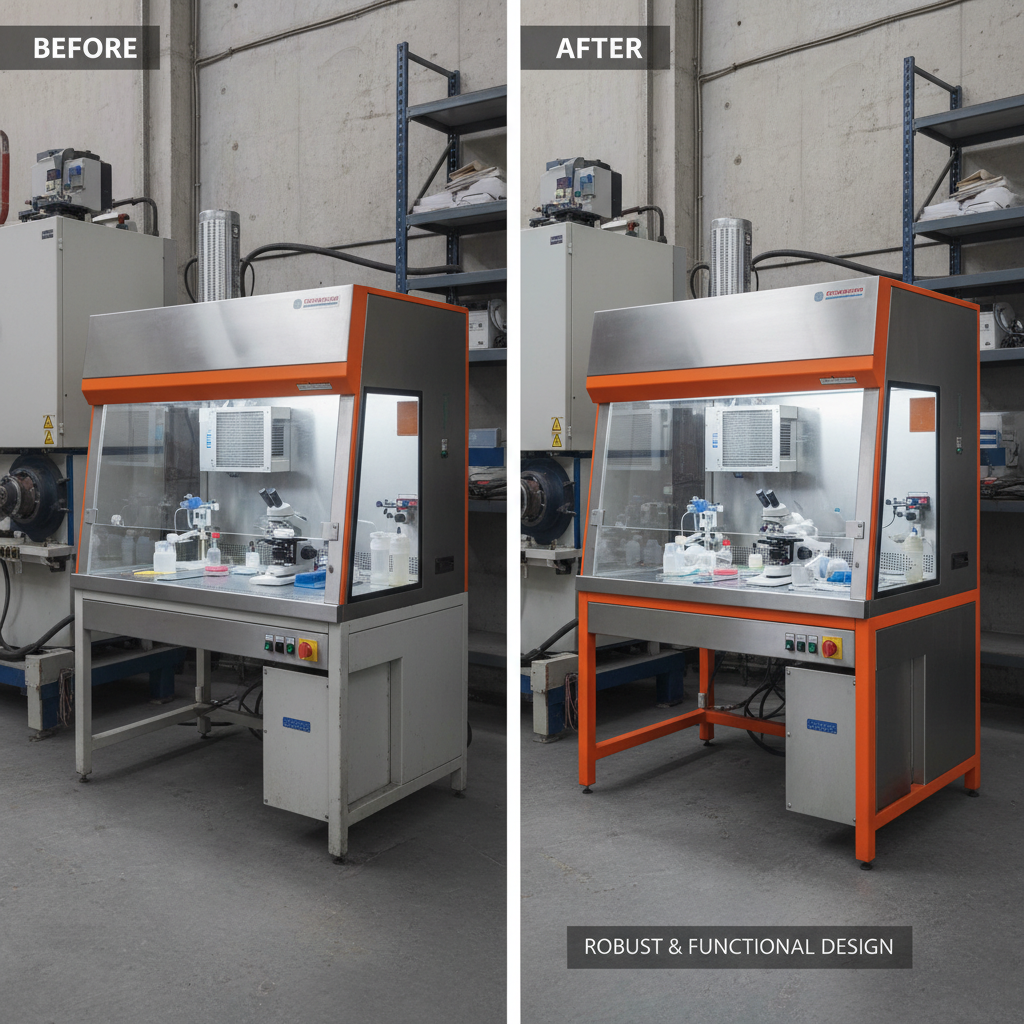
What is a Lab Clean Bench and Why is it Important?
A lab clean bench is a specialized ventilated workspace designed to create a particle-free working environment. It achieves this by drawing air through a HEPA filter, which removes at least 99.97% of particles 0.3 micrometers in diameter. This filtered air then flows in a laminar (smooth, unidirectional) stream across the work surface. The primary purpose is to protect experiments and products from contamination. Unlike a biosafety cabinet, a standard clean bench does not protect the user. It protects the sample from external contaminants. This makes it ideal for applications like electronics assembly, pharmaceutical compounding, and certain types of biological research where maintaining purity is vital.
Key Benefit: Maintaining a sterile environment is critical for accurate and reproducible experimental results, and preventing product spoilage or contamination.
Types of Lab Clean Benches: Horizontal vs. Vertical Flow
Lab clean benches primarily come in two airflow configurations: horizontal and vertical. The choice between them depends on the specific application. Horizontal flow benches draw air across the work surface from back to front. They are well-suited for working with non-hazardous materials and applications where protecting the sample is the priority. Vertical flow benches, on the other hand, draw air down from the top and exhaust it. These are preferred for applications involving materials that produce potentially harmful fumes or particles. Understanding the difference is vital for ensuring both product integrity and user safety.
Horizontal vs. Vertical Flow:
• Horizontal Flow: Air flows from back to front, protecting the sample.
• Vertical Flow: Air flows from top to bottom, protecting both the sample and the user.
Key Features to Consider When Choosing a Lab Clean Bench
Selecting the right lab clean bench involves considering several crucial features. The HEPA filter is paramount – ensure it meets industry standards. The bench’s size should be appropriate for your workflow and the equipment you'll be using. Look for features like adjustable airflow, digital displays for filter monitoring, and robust construction materials (often stainless steel). Ergonomics are also important; a comfortable working height and easy-to-clean surfaces contribute to productivity and safety.
Common Applications of Lab Clean Benches
Lab clean benches are used in a diverse range of scientific and industrial applications. These include pharmaceutical compounding, sterile filling, electronics assembly, microbiology, cell culture, and materials science. They are essential for any process requiring a highly controlled and contamination-free environment. Specific applications dictate the necessary airflow type and bench size. For example, cell culture typically utilizes vertical flow benches, while assembling delicate electronic components may be better suited for horizontal flow.
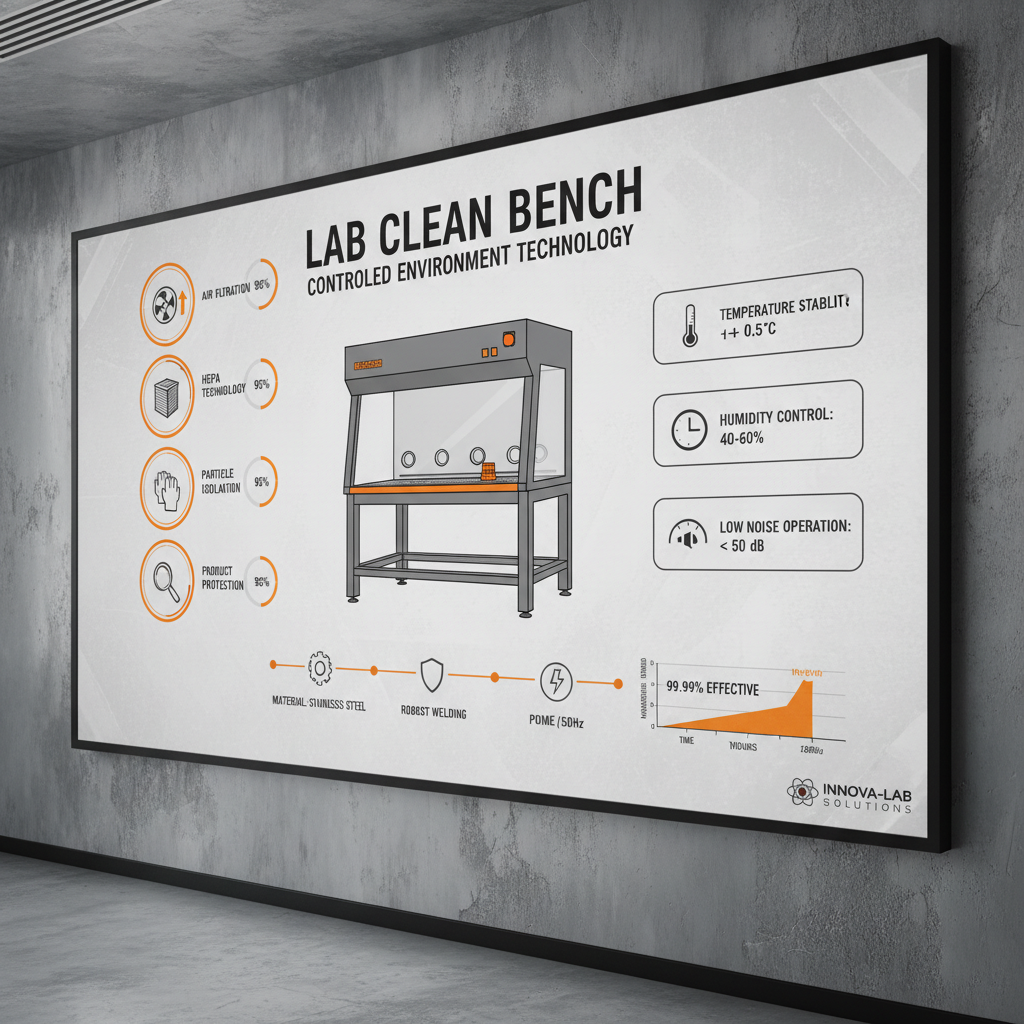
Choosing the Right Lab Clean Bench: CZ Lab Instrument Can Help
Selecting a lab clean bench can be a complex process. Factors like the type of work, potential hazards, space constraints, and budget all play a role. CZ Lab Instrument offers a comprehensive range of lab clean benches to meet diverse needs. Our expert team can assist you in determining the optimal bench configuration and features for your specific application. We provide reliable, high-quality equipment with exceptional customer support.
Conclusion: Investing in a Sterile Environment
Investing in a quality lab clean bench is an investment in the accuracy, reliability, and safety of your work. CZ Lab Instrument is dedicated to providing innovative solutions that empower researchers and professionals. Contact us today to discuss your needs and find the perfect clean bench for your laboratory.
Frequently Asked Questions (FAQs)
How often should I replace the HEPA filter in my lab clean bench?
The frequency of HEPA filter replacement depends on usage and the environment. Generally, filters should be replaced every 6-12 months, or sooner if the airflow drops below acceptable levels. Most modern lab clean benches feature filter monitoring systems that provide alerts when replacement is needed. Regular maintenance and filter replacement are critical for maintaining the effectiveness of the clean bench. Neglecting filter maintenance can compromise the sterility of your work environment.
What is the difference between a lab clean bench and a biosafety cabinet?
This is a common question. While both provide a controlled workspace, they serve different purposes. A lab clean bench protects the sample from contamination, while a biosafety cabinet (BSC) protects both the sample and the user from hazardous biological materials. BSCs utilize inward airflow to contain aerosols and prevent their escape, whereas clean benches do not. Choose a BSC if you're working with infectious agents or potentially harmful materials.
How do I properly clean and disinfect a lab clean bench?
Regular cleaning and disinfection are essential. Before starting, disconnect the power. Wipe down all surfaces with a suitable disinfectant (e.g., 70% isopropyl alcohol). Avoid harsh chemicals that could damage the filter or surfaces. Allow the disinfectant to dwell for the recommended contact time. Remember to clean the interior, exterior, and the front of the bench. Establish a cleaning schedule and document all procedures.


