
The Automatic CBR Test Machine has become an indispensable tool in modern geotechnical engineering, playing a vital role in assessing the bearing strength of road subgrades and base courses. Globally, infrastructure development relies heavily on accurate soil testing to ensure the longevity and safety of roads, highways, and airport runways. The Automatic CBR Test Machine streamlines this process, providing consistent and reliable data crucial for informed decision-making. Its efficiency is especially valuable in regions experiencing rapid urbanization and infrastructure expansion.
The increasing demand for robust and sustainable infrastructure necessitates precise material characterization. Traditionally, the California Bearing Ratio (CBR) test was a manual, time-consuming process prone to operator variability. The Automatic CBR Test Machine addresses these limitations, offering automated control, data acquisition, and analysis. This leads to reduced testing time, minimized human error, and enhanced repeatability, ultimately lowering project costs and improving construction quality. Organizations like the World Bank and various national highway authorities are increasingly adopting automated testing solutions.
Understanding the capabilities and benefits of the Automatic CBR Test Machine is paramount for civil engineers, geotechnical technicians, and construction professionals. It represents a significant advancement in soil testing technology, offering a pathway towards more efficient, accurate, and reliable infrastructure development worldwide. Investing in this technology directly contributes to safer, more durable, and cost-effective roadways and foundations.
Introduction to Automatic CBR Testing
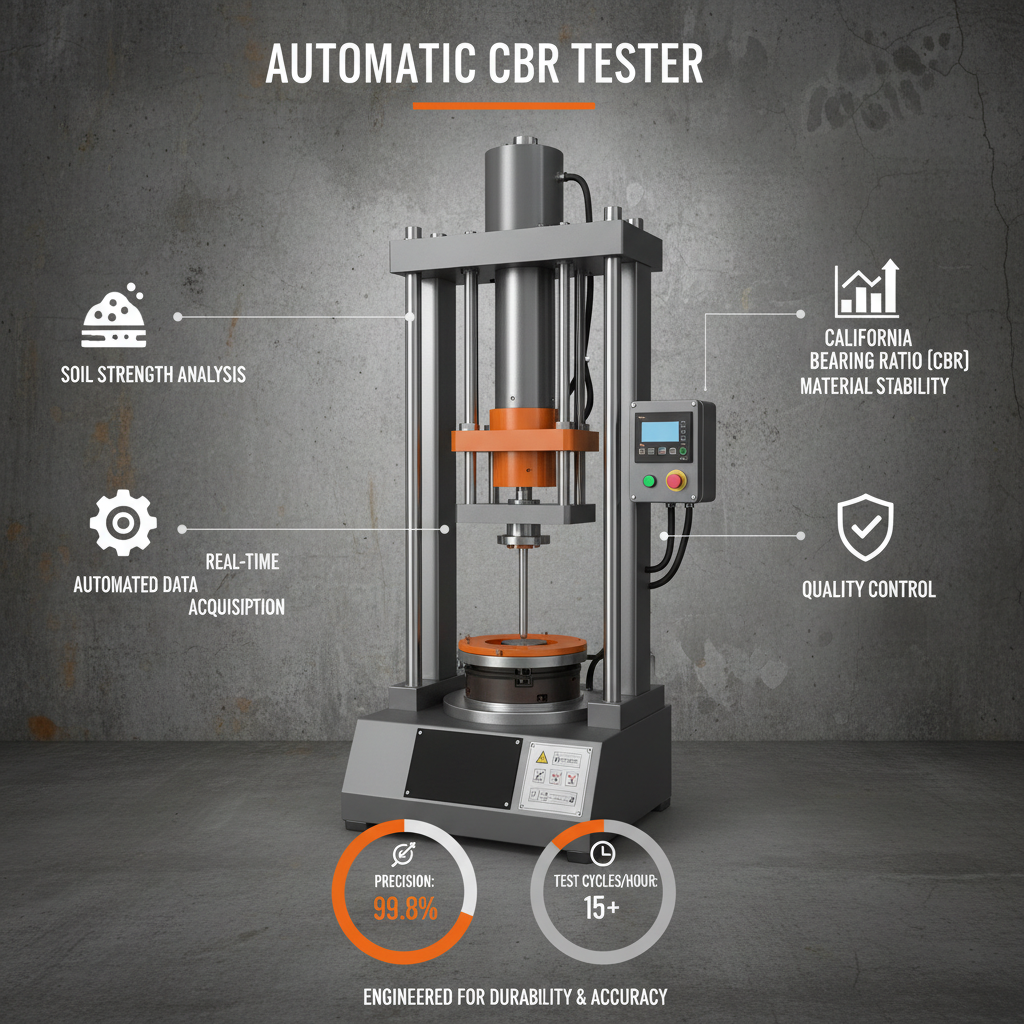
The Automatic CBR Test Machine revolutionizes soil assessment by automating the penetration test, a cornerstone of geotechnical investigations. This automation brings several key benefits, including consistent loading rates, accurate displacement measurements, and real-time data recording, all contributing to more reliable CBR values. These values are critical for determining the suitability of subgrade materials for road and pavement construction.
Traditionally, this test required significant manual effort and operator skill. The Automatic CBR Test Machine eliminates much of this subjectivity, leading to improved data quality and reduced testing time. This is particularly important in large-scale infrastructure projects where numerous tests are required to characterize the soil profile across a substantial area. The machine’s precision leads to significant cost savings in the long run by minimizing potential construction failures.
FAQS
Manual CBR tests rely on human observation and control, introducing potential for variability in loading rates and measurement accuracy. Automatic CBR machines eliminate these human factors by using a motorized system and precise sensors, ensuring consistent and reliable results. This leads to reduced testing time, improved data quality, and enhanced repeatability. The automation also allows for continuous data logging and analysis, which is not possible with manual testing.
Calibration is crucial for maintaining the accuracy of an Automatic CBR Test Machine. Generally, calibration should be performed annually, or more frequently if the machine is used heavily or has undergone maintenance. Calibration involves verifying the load cell, displacement transducer, and loading rate against known standards. Regular calibration ensures that the machine delivers reliable and trustworthy data.
Automatic CBR Test Machines can be used with a wide range of soil types, including granular soils (sands and gravels), cohesive soils (clays and silts), and mixtures of both. However, proper sample preparation is essential. Samples should be representative of the in-situ conditions, and compacted to the appropriate density and moisture content. The machine can handle both undisturbed and remolded samples.
Several international standards govern CBR testing, including ASTM D1883, AASHTO T193, and EN 13286-7. These standards specify the requirements for sample preparation, testing procedures, and data analysis. Adherence to these standards ensures that the test results are comparable and reliable. It's important to consult the relevant standards for your specific application and region.
Regular maintenance is essential for ensuring the long-term performance and accuracy of an Automatic CBR Test Machine. This includes cleaning the machine after each use, lubricating moving parts, and inspecting components for wear and tear. Periodic inspections by a qualified technician are recommended to identify and address any potential issues. Proper maintenance extends the lifespan of the machine and minimizes downtime.
Automation minimizes human error, a significant source of variability in manual CBR testing. The Automatic CBR Test Machine maintains a consistent loading rate and precisely measures penetration depth, eliminating subjective interpretations. It also allows for continuous data recording, providing a comprehensive load-penetration curve. These features ensure that the test results are more reproducible, reliable, and less prone to bias.
Conclusion
In conclusion, the Automatic CBR Test Machine represents a significant advancement in geotechnical testing technology. Its ability to deliver accurate, repeatable, and efficient CBR values is critical for ensuring the longevity and safety of infrastructure projects worldwide. From road construction and airport runways to disaster relief and remote industrial applications, the benefits are far-reaching and impactful.
Looking ahead, continued innovation in AI integration, IoT connectivity, and sustainable design will further enhance the capabilities of this vital tool. Investing in Automatic CBR Test Machine technology is not just an investment in equipment, it’s an investment in the future of resilient and sustainable infrastructure.
Related Posts
-
Comprehensive Guide to Manual Soil Compaction Equipment and Applications
-
Optimizing Construction with Advanced Soil Compaction Tester Technology
-
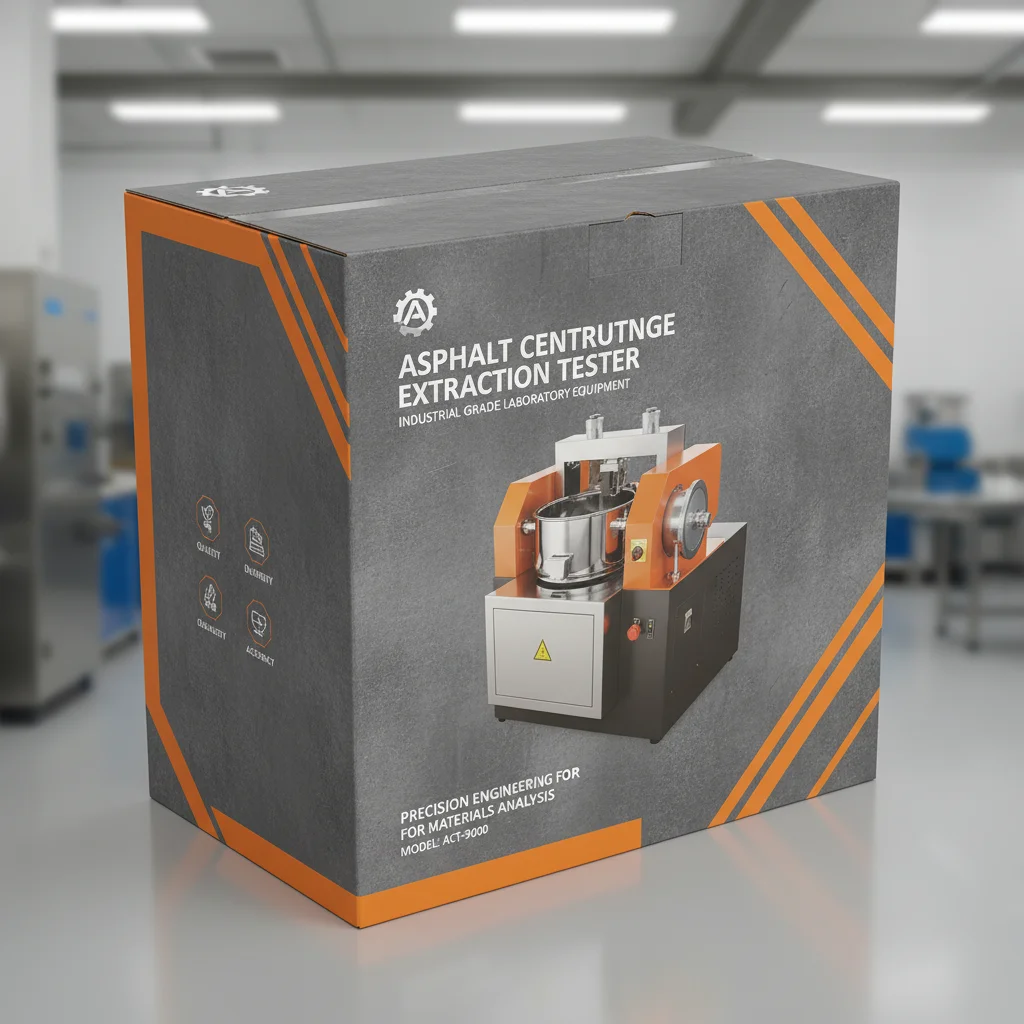
High Precision Asphalt Centrifuge Extraction Tester for Road Quality
-
Comprehensive Guide to the California Bearing Ratio Test Apparatus and Its Applications