
Comprehensive Guide to Utilizing the Concrete Test Hammer for Quality Assurance
Understanding the Concrete Test Hammer: A Comprehensive Guide
The concrete test hammer is an indispensable tool for assessing the compressive strength of concrete, a critical aspect of construction quality control. This article will delve into the applications, types, working principles, and factors influencing results, offering a comprehensive overview for engineers, contractors, and anyone involved in concrete construction. Accurate concrete strength assessment is vital for ensuring structural integrity and safety. We'll explore how the right testing equipment and techniques contribute to successful construction projects.
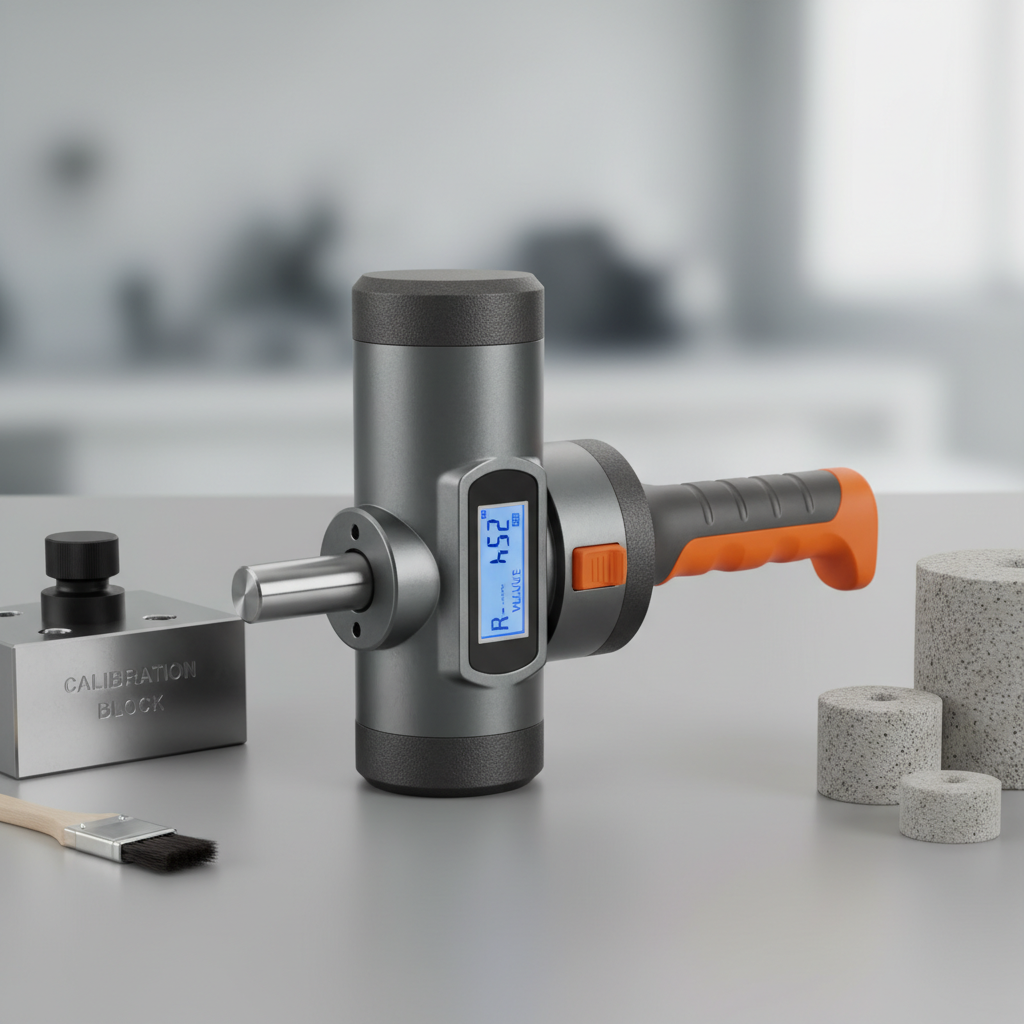
What is a Concrete Test Hammer and Why is it Important?
A concrete test hammer, also known as a Schmidt hammer, is a non-destructive testing (NDT) device used to estimate the compressive strength of concrete structures. It works by measuring the rebound distance of a spring-loaded mass after impacting the concrete surface. This provides a quick and relatively inexpensive way to assess concrete quality in situ. Regular testing helps identify areas of weakness, detect variations in concrete mix, and ensure compliance with building codes. It's a crucial tool for both new construction and the evaluation of existing structures.
Key Benefits: Non-destructive, quick results, cost-effective, portable, and useful for quality control and structural assessment.
Types of Concrete Test Hammers
Several types of concrete test hammers are available, each designed for specific applications and concrete conditions. The most common types include:
- Type N: Suitable for general testing of concrete.
- Type L: Designed for lightweight concrete.
- Type K: Used for testing hardened concrete surfaces.
- Digital Concrete Test Hammer: Provides digital readout of rebound number and features data storage and analysis capabilities.
Hammer Type Comparison:
• Type N: Versatile, general use.
• Type L: Specifically for lightweight concrete.
• Type K: For hard, smooth surfaces.
• Digital: Enhanced accuracy, data logging.
How Does a Concrete Test Hammer Work?
The principle behind the concrete test hammer is relatively simple. A spring-loaded mass is propelled against the concrete surface upon release. The distance the mass rebounds is measured, and this rebound number is correlated to the concrete's compressive strength. Higher rebound numbers generally indicate higher compressive strength. The concrete test hammer provides an index value, which must be converted to compressive strength using calibration charts specific to the hammer and concrete mix.
Factors Affecting Rebound Number and Accuracy
Several factors can influence the accuracy of concrete test hammer readings. These include:
- Surface Conditions: The concrete surface should be clean, dry, and smooth.
- Concrete Age: The test is most accurate on concrete that has reached its design strength.
- Concrete Mix: Different concrete mixes will yield different rebound numbers for the same compressive strength.
- Hammer Calibration: Regular calibration of the hammer is crucial for ensuring accurate readings.
- Operator Technique: Consistent and proper technique is necessary for reliable results.
Applications and Considerations
Concrete test hammers are used in a wide range of applications, including:
- Quality Control: Verifying the compressive strength of concrete during construction.
- Structural Assessment: Evaluating the condition of existing concrete structures.
- Forensic Engineering: Investigating concrete failures.
- Non-Destructive Testing: Assessing concrete strength without damaging the structure.
It's important to remember that the concrete test hammer provides an estimated compressive strength. For critical applications, it's recommended to supplement hammer testing with core sampling and laboratory analysis.
Conclusion: Ensuring Concrete Integrity with Reliable Testing
The concrete test hammer is a valuable tool for ensuring the quality and safety of concrete structures. By understanding its principles, limitations, and proper usage, engineers and contractors can effectively assess concrete strength and make informed decisions. Choosing the right hammer from CZ Lab Instrument and following proper testing procedures are crucial for obtaining reliable results.
Frequently Asked Questions (FAQs)
What is a typical range of rebound numbers for normal-strength concrete?
Rebound numbers for normal-strength concrete (around 3000 psi) typically fall between 40 and 60. However, this is a general guideline, and the actual range will vary depending on the concrete mix, aggregate type, and moisture content. It is crucial to establish a correlation between rebound numbers and compressive strength through laboratory testing of concrete samples from the same source. Using calibration curves specific to the project and concrete mix ensures more accurate strength estimation. Always refer to the manufacturer's guidelines for interpreting rebound numbers.
How often should a concrete test hammer be calibrated?
A concrete test hammer should be calibrated at least once a year, or more frequently if it is used heavily or subjected to rough handling. Calibration ensures that the hammer’s impact energy and rebound accuracy remain within acceptable limits. Most manufacturers provide calibration services, or you can use a certified calibration laboratory. Regular calibration is essential for maintaining the reliability of test results and making informed decisions about concrete strength.
Can a concrete test hammer be used on all types of concrete?
While concrete test hammers are versatile, they are not suitable for all types of concrete. Lightweight concrete, high-strength concrete, and concrete with unusual surface characteristics may require specialized hammers or testing methods. It is important to select the appropriate hammer type and follow the manufacturer's recommendations for specific concrete mixes. Digital hammers offer more versatility and can be adjusted to accommodate a wider range of concrete types.


