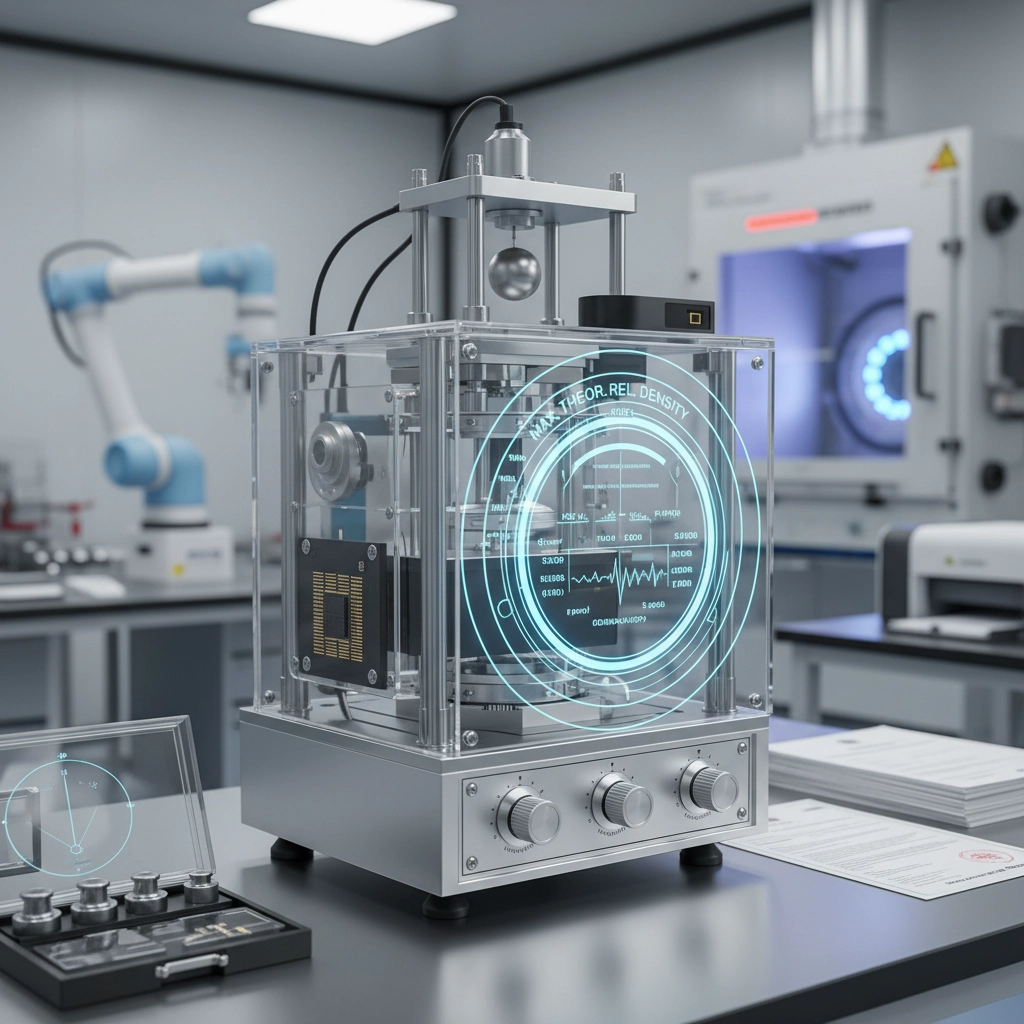
The precision of asphalt mixture design relies heavily on the accurate determination of air voids, a process that necessitates the use of a Maximum Theoretical Relative Density Meter. By eliminating all air from a sample, this instrument provides the baseline density required to calculate the actual percentage of voids in a compacted asphalt mix, ensuring the longevity and safety of road infrastructures worldwide.
In the global push for sustainable urban development, the role of the Maximum Theoretical Relative Density Meter has become paramount. As transportation ministries shift toward high-performance pavements and modified binders, the ability to precisely measure the theoretical maximum specific gravity allows engineers to optimize material usage and reduce premature pavement failure.
Understanding the operational nuances of the Maximum Theoretical Relative Density Meter is not merely a technical requirement but a strategic advantage for laboratories. From ensuring compliance with international ASTM and AASHTO standards to enhancing the durability of highways, this instrument serves as the cornerstone of quality control in the bitumen and asphalt testing industry.
Global Industry Context of Maximum Theoretical Relative Density Meter
The global construction industry is currently facing a crisis of infrastructure degradation, with aging highways and bridges requiring urgent rehabilitation. According to international road safety standards, the volumetric properties of asphalt—specifically the air void content—are the primary predictors of rutting and cracking. The Maximum Theoretical Relative Density Meter addresses this challenge by providing the high-precision data needed to calibrate mix designs across different climatic zones.
From the expansive road networks of North America to the rapidly developing corridors in Southeast Asia, the demand for standardized testing equipment is surging. The integration of the Maximum Theoretical Relative Density Meter into quality control workflows ensures that asphalt mixtures are not overly porous (leading to water damage) nor too dense (leading to plastic deformation), thereby extending the lifecycle of the pavement.
Defining the Maximum Theoretical Relative Density Meter
In simple terms, a Maximum Theoretical Relative Density Meter is a specialized laboratory instrument used to determine the relative density of an asphalt mixture without any air voids. This "theoretical maximum" serves as a reference point; by comparing the bulk density of a compacted sample to this theoretical maximum, technicians can determine the exact volume of air trapped within the asphalt matrix.
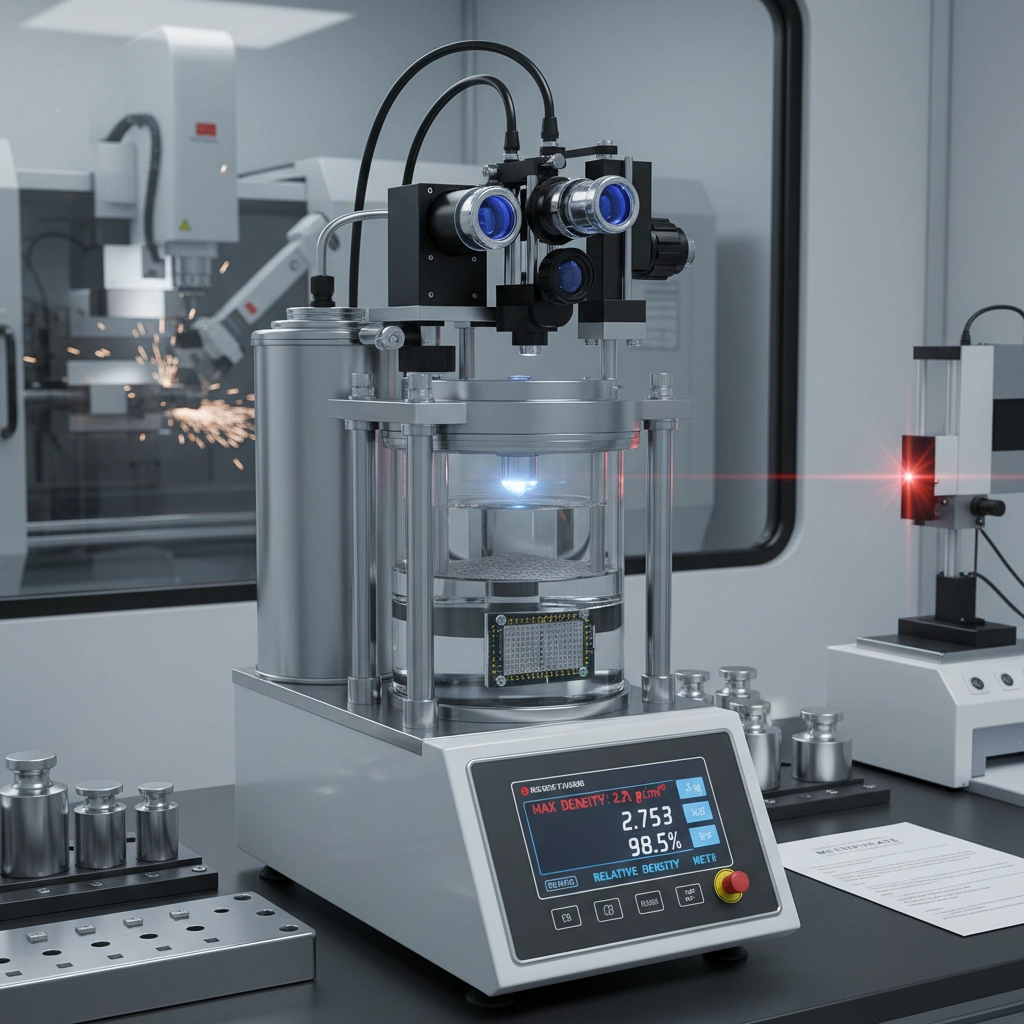
This measurement is critical because air voids act as the "lungs" of the pavement. If there are too many, water penetrates the surface and causes potholes; if there are too few, the asphalt can expand and bleed during hot summer months. The Maximum Theoretical Relative Density Meter utilizes a vacuum system to extract all entrapped air, ensuring that the resulting density measurement is pure and unaffected by atmospheric pressure.
Beyond the technical specifications, this device represents the intersection of material science and public safety. By ensuring that every kilometer of road is built to a precise density specification, the Maximum Theoretical Relative Density Meter reduces the frequency of road repairs, lowers long-term maintenance costs for governments, and significantly enhances driver safety.
Core Components and Technical Factors
The efficacy of a Maximum Theoretical Relative Density Meter depends on several key technical factors, most notably vacuum stability and temperature control. A high-performance vacuum pump is essential to remove air from the bitumen pores, while a precise heating chamber prevents the asphalt from cooling and hardening during the extraction process.
Durability and precision are the hallmarks of a professional-grade Maximum Theoretical Relative Density Meter. The use of corrosion-resistant materials in the vacuum chamber and high-accuracy digital sensors ensures that the instrument can withstand the rigors of a busy laboratory environment while maintaining a deviation of less than 0.001 g/cm³.
Furthermore, scalability in testing capacity is a vital consideration for large-scale infrastructure projects. Modern Maximum Theoretical Relative Density Meter designs often feature multi-sample chambers, allowing laboratories to process several batches of asphalt simultaneously without sacrificing the accuracy of the vacuum levels or the temperature uniformity.
Practical Applications in Road Engineering
In real-world applications, the Maximum Theoretical Relative Density Meter is indispensable during the mix-design phase. Engineers use it to establish the "Job Mix Formula" (JMF), which dictates the proportions of aggregate and binder. In remote industrial zones where heavy-duty trucks operate, the meter is used to design "superpave" mixtures that can withstand extreme axle loads without rutting.
Moreover, in post-disaster relief operations where rapid road reconstruction is necessary, portable or streamlined versions of the Maximum Theoretical Relative Density Meter allow field engineers to validate the quality of asphalt delivered to the site. This ensures that temporary roads don't fail under the weight of emergency supply convoys.
Performance Comparison of Maximum Theoretical Relative Density Meter Methods
Long-Term Value and Sustainability Benefits
The long-term value of investing in a high-quality Maximum Theoretical Relative Density Meter manifests in the reduction of material waste. By accurately calculating air voids, engineers can avoid "over-designing" mixes with excessive bitumen, which not only reduces costs but also decreases the environmental footprint of the project by utilizing fewer petroleum-based binders.
Beyond the economics, there is a significant social impact. Roads that are properly designed using a Maximum Theoretical Relative Density Meter are less prone to sudden failures and hazardous potholes. This reliability fosters trust in public infrastructure and ensures that transportation networks remain operational, upholding the dignity and mobility of citizens in both urban and rural regions.
Future Trends in Density Measurement Technology
The industry is currently moving toward the digitalization of density measurement. We are seeing the emergence of the "Smart Maximum Theoretical Relative Density Meter," which integrates IoT sensors to automatically log data to cloud-based management systems. This eliminates human error in data entry and allows for real-time monitoring of asphalt quality across multiple project sites.
Sustainability is also driving innovation in the materials used for these instruments. Future iterations of the Maximum Theoretical Relative Density Meter are incorporating energy-efficient vacuum pumps and low-power heating elements, aligning with global "Green Lab" initiatives to reduce electricity consumption in testing facilities.
Furthermore, the integration of AI-driven analytics is expected to transform how the results from a Maximum Theoretical Relative Density Meter are interpreted. Instead of just providing a number, future systems will suggest immediate mix adjustments based on historical performance data and current atmospheric conditions, significantly accelerating the design process.
Overcoming Common Challenges in Density Testing
One of the most common limitations in current practice is the time-consuming nature of the vacuum process. Many operators struggle with the "boiling" of bitumen under high vacuum, which can lead to inaccurate results. The solution lies in the implementation of stepped vacuum cycles, where the Maximum Theoretical Relative Density Meter gradually reduces pressure, allowing the material to stabilize.
Another challenge is the sensitivity of the equipment to operator skill. To overcome this, modern manufacturers are developing automated Maximum Theoretical Relative Density Meter units that handle the timing, vacuum levels, and temperature automatically, ensuring that the results are consistent regardless of who is operating the machine.
Lastly, the maintenance of vacuum seals can be a recurring headache for labs. Expert insights suggest the adoption of high-grade silicone gaskets and a strict preventive maintenance schedule. By upgrading to a Maximum Theoretical Relative Density Meter with quick-release seals, labs can reduce downtime and ensure the instrument always operates at peak efficiency.
Comparative Analysis of Maximum Theoretical Relative Density Meter Operational Parameters
| Parameter Dimension |
Standard Model |
Premium Digital Model |
Impact on Result |
| Vacuum Stability |
Moderate |
Ultra-High |
Directly affects air removal |
| Temperature Accuracy |
±2°C |
±0.5°C |
Prevents binder viscosity shifts |
| Testing Cycle Time |
45-60 mins |
25-30 mins |
Increases lab throughput |
| Data Recording |
Manual Log |
Auto-Cloud Sync |
Eliminates transcription errors |
| Operator Skill Requirement |
High |
Low (Automated) |
Ensures consistency |
| Maintenance Interval |
Monthly |
Quarterly |
Reduces operational downtime |
FAQS
It is essential because it determines the maximum possible density of an asphalt mix by removing all air. This value is the only way to accurately calculate the actual air void percentage in a compacted sample, which is the primary indicator of pavement durability and resistance to water damage.
The vacuum system systematically removes entrapped air bubbles from the bitumen and aggregate matrix. By eliminating these voids, the meter ensures that the measured density is the theoretical maximum, preventing the underestimation of air voids in the final road construction.
Yes, it is designed for various bitumen types, including standard penetration grades and polymer-modified binders. However, for highly viscous modified binders, adjusting the temperature settings within the meter is crucial to ensure proper air release.
Bulk density includes the volume of the air voids present in the compacted sample, whereas the theoretical maximum density (measured by the Maximum Theoretical Relative Density Meter) represents the sample as if all air voids were removed. The difference between the two is the air void content.
While it depends on usage frequency, we recommend inspecting seals monthly and replacing them every 6 to 12 months. A leak in the vacuum seal can lead to incomplete air removal, resulting in an inaccurately high theoretical density and flawed mix designs.
Our professional-grade meters are specifically engineered to comply with ASTM D2041 and AASHTO T 209 standards. This ensures that the data generated is legally and technically defensible for government road contracts and international audits.
Conclusion
The Maximum Theoretical Relative Density Meter is far more than a simple lab tool; it is a critical safeguard for the integrity of our global transportation infrastructure. By providing the precise theoretical baseline needed to calculate air voids, it enables the creation of roads that are durable, sustainable, and safe. From the technical rigor of vacuum stability to the strategic value of material optimization, the influence of this instrument is felt in every kilometer of high-quality pavement.
Looking forward, the shift toward automated, IoT-enabled density measurement will further refine the precision of asphalt engineering. For laboratories and construction firms aiming to stay competitive and compliant with evolving international standards, investing in a high-performance Maximum Theoretical Relative Density Meter is a strategic necessity. We invite you to explore our full range of professional testing solutions to enhance your quality control processes. Visit our website: www.czlabinstrument.com