The stability of modern infrastructure depends heavily on the precision of material testing, where the Geotechnical Compaction Apparatus plays a pivotal role in ensuring the structural integrity of cement-based foundations. By simulating dynamic forces and vibration, these systems allow engineers to evaluate how materials respond to real-world stress, effectively bridging the gap between laboratory theory and field application.
Across the global construction landscape, the need for standardized testing has intensified as urban density increases and seismic risks become more prominent. Implementing a rigorous testing regime using a specialized Geotechnical Compaction Apparatus helps in mitigating the risk of structural failure, ensuring that every cubic centimeter of concrete meets the required density and resilience standards.
Whether it is for academic research in geotechnical engineering or quality control in a large-scale construction department, the use of a Geotechnical Compaction Apparatus ensures that water-soft samples and concrete moulds are properly vibrated, resulting in data that is both reliable and reproducible.

Global Relevance of Material Vibration Testing
In an era of rapid urbanization, the global construction industry faces the challenge of building taller and more durable structures. The integration of high-precision vibration testing ensures that concrete moulds are free of voids and air pockets, which is essential for meeting ISO and other international building standards that dictate the minimum safety thresholds for infrastructure.
Failure to properly compact materials during the testing phase can lead to catastrophic results in the field, particularly in seismic zones. By utilizing a professional Geotechnical Compaction Apparatus, engineers can simulate the dynamic conditions that a building will face over decades, significantly reducing the probability of unexpected settlement or structural collapse.
Defining the Geotechnical Compaction Apparatus
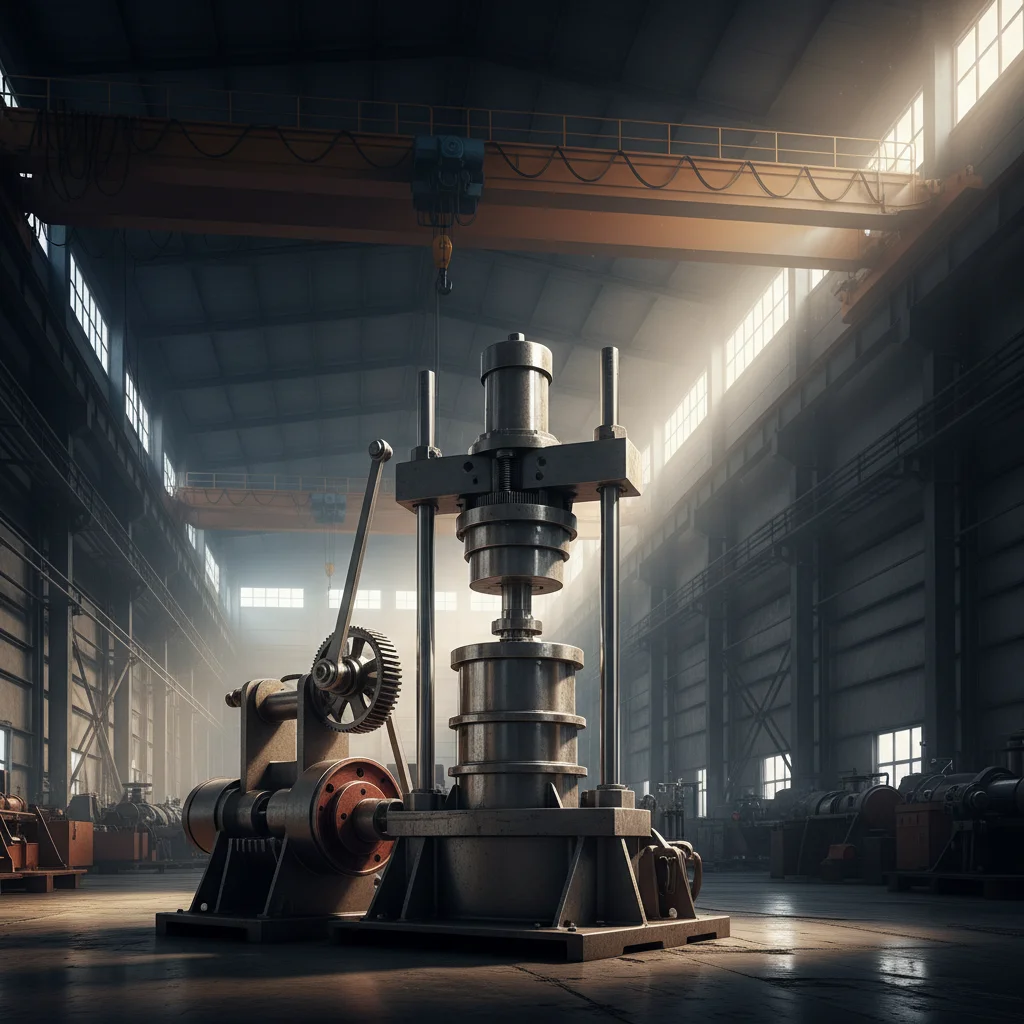
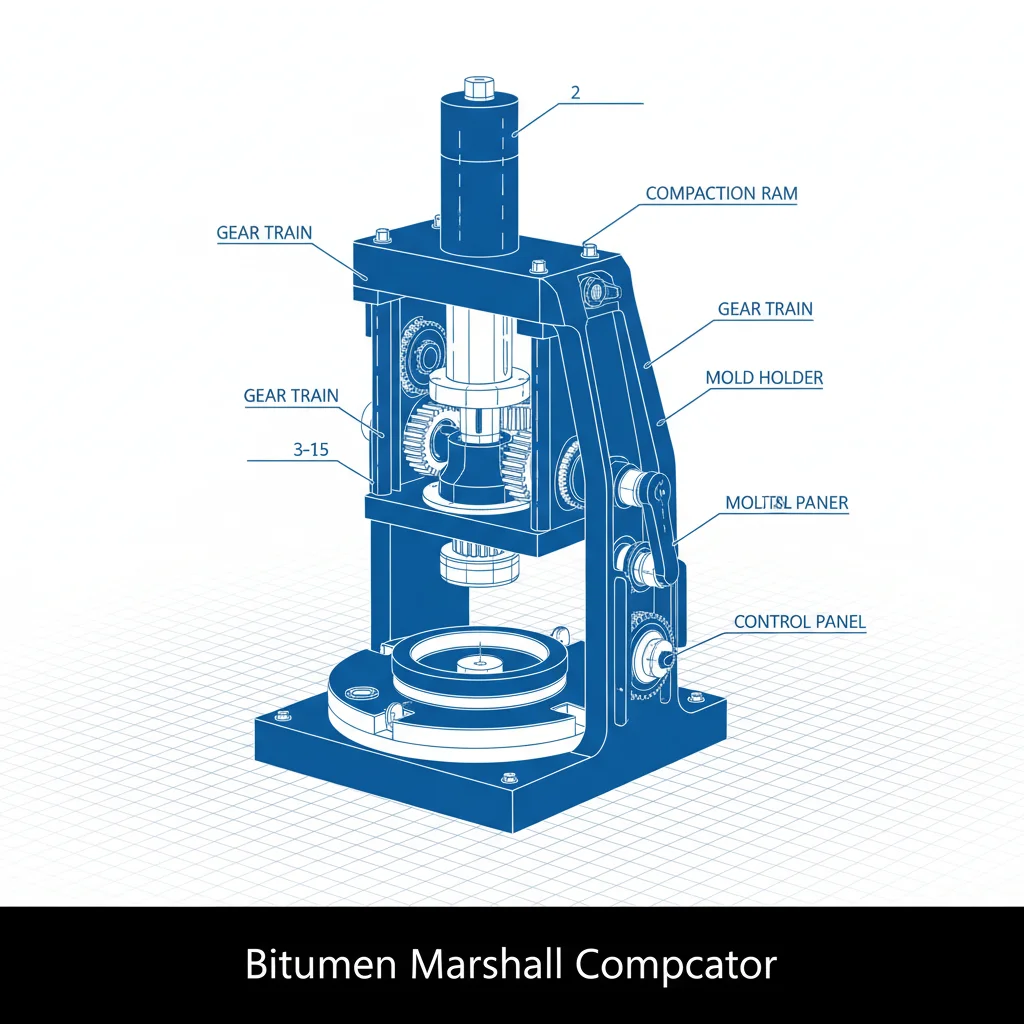
At its core, a Geotechnical Compaction Apparatus, specifically in the form of a vibrating table for concrete moulds, is a specialized tool designed to evaluate the properties of cement under dynamic conditions. It works by applying controlled, high-frequency vibrations to a sample, forcing the air to escape and the material to settle into its most dense and stable configuration.
This process is critical for creating "water soft samples," where the moisture content must be balanced with the material's density to determine the optimal mix design. By providing precise data on how the material behaves under vibration, the apparatus helps in calculating the exact resilience of the cement-based structure.
Beyond simple compaction, this equipment serves as a diagnostic tool for academies and construction departments. It transforms raw cement and water into a standardized test specimen, allowing for an objective analysis of durability and strength that can be compared across different project sites globally.
Core Technical Components and Performance
The effectiveness of a Geotechnical Compaction Apparatus is measured by its ability to maintain a consistent vibration frequency. For professional grade equipment, a frequency range of 2800-3000 cycles per 60 seconds is standard, ensuring that the energy transferred to the concrete mould is sufficient to eliminate internal friction without compromising the material's chemical bond.
Precision is further enhanced by a strictly controlled amplitude, typically around 0.75±0.05mm. When using a Geotechnical Compaction Apparatus, this minute measurement ensures that the vibration is focused and linear, preventing the segregation of aggregates within the cement mix and ensuring a homogenous sample for subsequent compression testing.
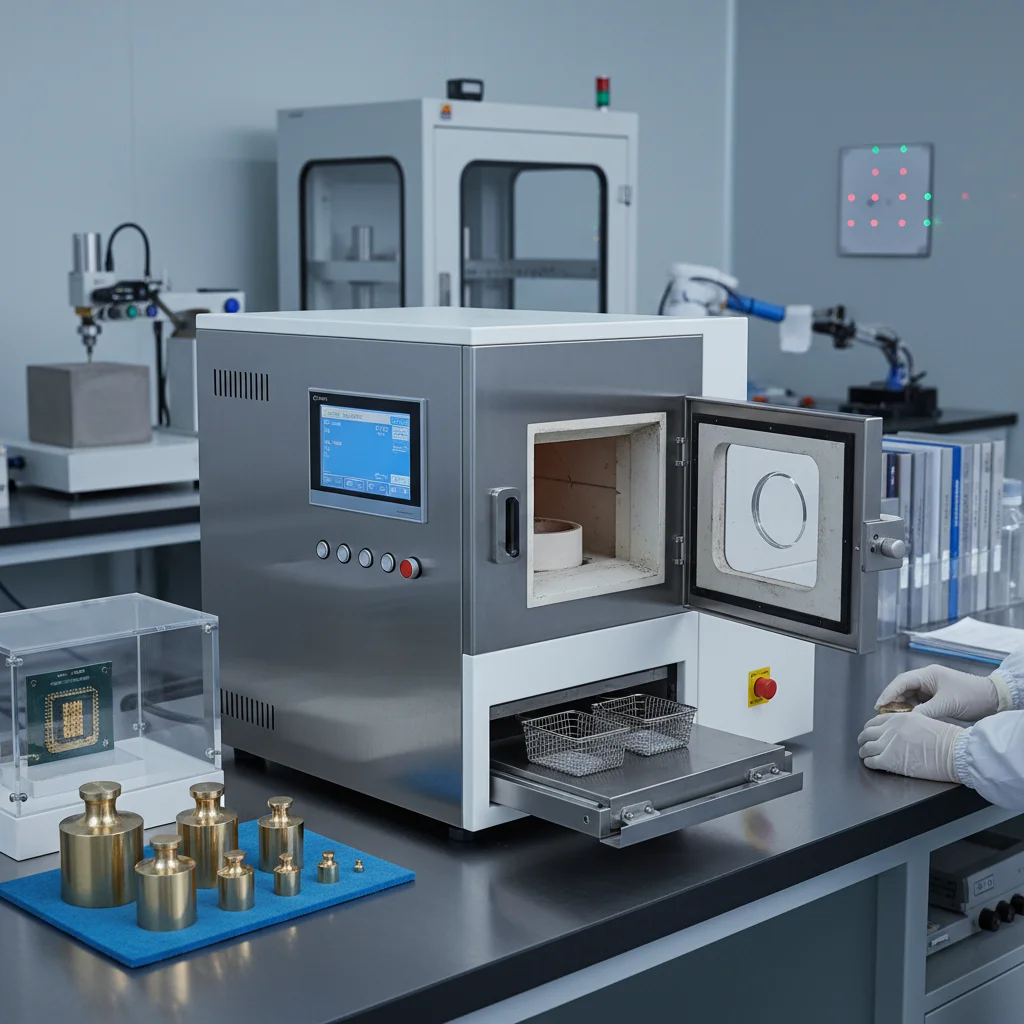
The hardware is built for industrial endurance, featuring a robust 0.25KW motor operating at 380V (50HZ). With a net weight of 70kg and a table size of 350×350mm, the Geotechnical Compaction Apparatus provides the necessary mass to dampen unwanted movement while delivering high-intensity vibration to the specimen for a precise duration of 120S±5S.
Operational Efficiency in Concrete Testing
Operational efficiency in a laboratory setting is defined by the repeatability of results. A standardized Geotechnical Compaction Apparatus removes human error from the compaction process, replacing manual tamping with a mechanized system that applies the exact same force and duration to every single sample.
This consistency allows for a streamlined workflow in concrete companies and construction departments. By automating the shaking process for water soft samples, labs can increase their throughput without sacrificing the precision required for safety certifications.
Performance Metrics of Geotechnical Compaction Apparatus Methods
Real-World Applications and Industry Use Cases
In the construction of high-rise buildings and bridges, the use of a Geotechnical Compaction Apparatus is indispensable during the mix-design phase. By testing different cement ratios on the vibrating table, engineers can determine the exact point of maximum density, which directly correlates to the load-bearing capacity of the final structure.
Furthermore, in academic settings, these instruments are used to study the rheology of cementitious materials. Researchers utilize the apparatus to analyze how different additives affect the flow and compaction of concrete, leading to the development of new, more sustainable "green concrete" formulations that maintain high structural strength.
Long-Term Value and Safety Reliability
The long-term value of investing in a high-quality Geotechnical Compaction Apparatus lies in the reduction of liability and the assurance of safety. Structures that are built based on accurately compacted lab samples are far less likely to develop cracks or suffer from premature degradation due to environmental weathering.
From a financial perspective, the cost of the apparatus is negligible compared to the potential cost of structural remediation. By ensuring that the cement is properly shaken and consolidated in the mould, companies avoid the risk of failed on-site inspections and the expensive delays that accompany them.
Ultimately, this equipment fosters a culture of trust between the contractor and the client. When test data is derived from a calibrated Geotechnical Compaction Apparatus, it provides a logical and empirical basis for certifying that a project meets all safety and durability requirements.
Future Innovations in Geotechnical Testing
The future of geotechnical testing is moving toward digitalization and automation. We are seeing the integration of smart sensors into the Geotechnical Compaction Apparatus, which can provide real-time feedback on the density of the sample through acoustic emission or vibration analysis, reducing the need for destructive testing.
Sustainability is also driving innovation, with newer models focusing on energy-efficient motors and noise-reduction technologies. This allows labs to operate more comfortably and reduces the carbon footprint of the testing process, aligning with global green building initiatives.
Moreover, the move toward "Industry 4.0" means that Geotechnical Compaction Apparatus units will soon be linked to cloud-based management systems. This will allow for the automatic logging of test parameters, ensuring an immutable digital audit trail for every concrete batch used in critical infrastructure.
Analysis of Geotechnical Compaction Apparatus Performance and Impact
| Testing Dimension |
Impact on Quality |
Reliability Score |
Industry Standard |
| Vibration Frequency |
Eliminates air voids |
9.5 |
High |
| Amplitude Control |
Prevents segregation |
9.0 |
Medium-High |
| Timing Precision |
Standardizes results |
8.5 |
High |
| Motor Stability |
Consistency of force |
8.0 |
Industrial |
| Sample Homogeneity |
Accurate strength data |
9.2 |
Critical |
| Operational Setup |
Reduced labor time |
7.5 |
Standard |
FAQS
The primary purpose is to use controlled vibration to remove entrapped air from concrete moulds and water soft samples. This ensures the specimen reaches its maximum potential density, allowing engineers to accurately test the material's strength and durability under dynamic conditions, which is essential for seismic and structural safety.
Frequency, typically between 2800-3000 cycles per 60 seconds, determines how effectively the particles rearrange themselves. If the frequency is too low, air pockets remain; if too high, it can cause segregation of the aggregates. A calibrated Geotechnical Compaction Apparatus ensures the optimal balance for a homogenous sample.
It is designed for both. With a compact table size of 350×350mm and a manageable weight of 70kg, it fits easily into academic research settings while providing the industrial-grade precision required by large construction departments and concrete companies for official certification.
Key specifications include a vibration frequency of 2800-3000 cycles/60s, an amplitude of approximately 0.75mm, and a controlled vibration time (typically 120S±5S). Additionally, a robust motor (e.g., 0.25KW) is necessary to maintain consistent energy output across multiple test cycles.
Yes, it is versatile enough for various cement-based materials and water soft samples. Because it focuses on the mechanical process of compaction through vibration, it can be used for standard Portland cement, specialized rapid-set mixes, and experimental sustainable concrete formulations.
By providing a standardized way to prepare test samples, the apparatus ensures that the data used to design a building's foundation is based on the material's actual maximum performance. This eliminates "weak spots" in the data, leading to structures that are more resilient against dynamic forces and seismic events.
Conclusion
The use of a high-precision Geotechnical Compaction Apparatus is fundamental to the integrity of modern material science and civil engineering. By ensuring that concrete and cement samples are compacted with mathematical precision—maintaining strict frequency, amplitude, and timing—industry professionals can guarantee that their structures are built on a foundation of reliable, empirical data.
As the industry evolves toward more sustainable materials and smarter cities, the role of standardized vibration testing will only grow in importance. Investing in robust, calibrated testing equipment is not merely a matter of compliance, but a commitment to the safety, longevity, and resilience of the built environment. Visit our website for more professional solutions: www.czlabinstrument.com