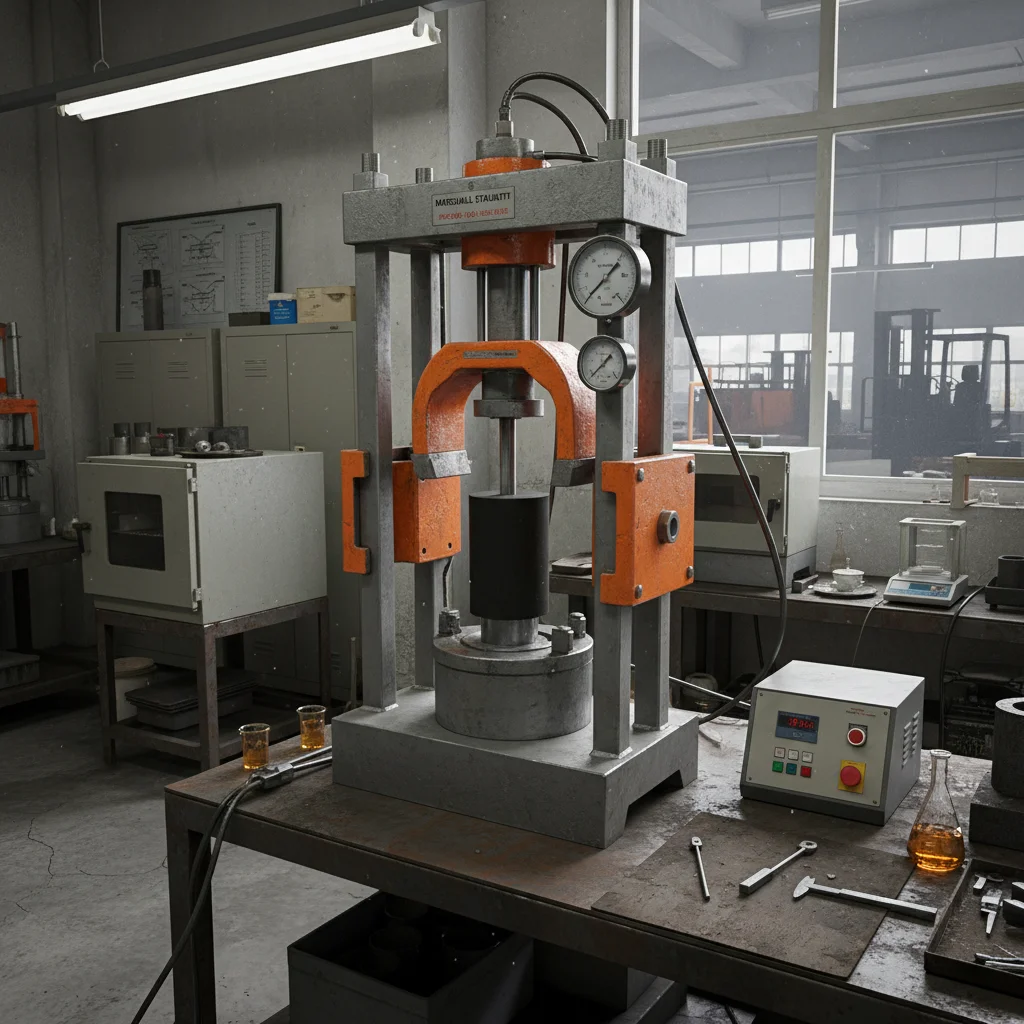
In the demanding field of road construction, ensuring the structural integrity of asphalt concrete is paramount for the safety and longevity of global transportation networks. The evaluation of material flow and deformation behavior is a critical step in this process, as it determines how a pavement will respond to heavy traffic loads and fluctuating environmental temperatures. Utilizing a precision instrument like the Asphalt Ductility Elongation Tester allows engineers to quantify the workability and stability of asphalt mixtures, bridging the gap between laboratory design and real-world performance.
Across the globe, infrastructure projects are increasingly relying on standardized testing to reduce maintenance costs and prevent premature pavement failure. Whether it is a high-speed highway in Europe or a rural road in Southeast Asia, the ability to accurately measure the slope flow value of asphalt ensures that the material is neither too rigid, which causes cracking, nor too fluid, which leads to rutting. This balance is essential for achieving a durable surface that can withstand the rigors of daily use while maintaining a uniform structural profile.
For quality control professionals and research institutions, integrating an Asphalt Ductility Elongation Tester into their workflow provides the empirical data necessary for optimizing mix designs. By automating the measurement of flow characteristics, these instruments reduce human error and increase the repeatability of results, ensuring that every batch of asphalt concrete meets strict engineering specifications before it is laid on the ground.

The Global Importance of Asphalt Flow Analysis
The global demand for resilient infrastructure has placed immense pressure on material scientists to develop asphalt concrete that can withstand extreme weather and heavy loading. In many regions, the failure of road surfaces is often traced back to inadequate flow control during the mixing phase, leading to poor compaction and subsequent surface defects. By implementing standardized flow value testing, countries can align their construction practices with international ISO and GB standards, ensuring a baseline of quality that reduces the frequency of costly repairs.
Furthermore, the integration of advanced testing instruments allows for the exploration of sustainable additives and recycled materials in asphalt mixtures. As the industry shifts toward "green" road construction, understanding how these new components affect the flow and stability of the concrete is vital. The use of high-precision measurement systems ensures that innovation does not come at the cost of safety, providing a scientific framework for the evolution of modern pavement engineering.
Defining the Asphalt Ductility Elongation Tester
The Asphalt Ductility Elongation Tester is a specialized precision instrument designed to measure the slope flow value of asphalt concrete. In simple terms, it evaluates how an asphalt mixture behaves under the influence of gravity and temperature, simulating the deformation and flow characteristics that occur during the laying and compaction process on a construction site.
This instrument is critical because it provides a numerical value that represents the workability of the mixture. If the flow value is too high, the asphalt may be prone to permanent deformation or "rutting" under traffic; if it is too low, the material becomes difficult to compact, leading to air voids and susceptibility to water infiltration and cracking.
Beyond simple measurement, this device serves as a quality gatekeeper in modern construction. By providing repeatable and accurate data, it allows engineers to adjust the bitumen content or aggregate grading in real-time, ensuring that the final road surface possesses the optimal balance of flexibility and strength required for its specific environment.
Core Technical Components and Precision
The precision of an Asphalt Ductility Elongation Tester depends on its ability to maintain a strictly controlled environment. Central to its operation is a digital control system that manages temperature and movement with high accuracy, minimizing the impact of external variables that could skew the flow value results.
Advanced automation is another pillar of the Asphalt Ductility Elongation Tester, reducing the need for manual intervention and eliminating human error. This is achieved through high-resolution sensors and automated actuators that ensure the specimen is subjected to consistent forces, making the testing process both efficient and highly repeatable across different laboratory shifts.
Moreover, the structural durability of the instrument, developed by experts like Cangzhou Blue Beauty Instrument Co., Ltd., ensures long-term reliability. Built to meet ISO9001:2008 and GB/T190001-2008 standards, these testers are designed for continuous use in rigorous laboratory settings, maintaining their calibration and accuracy even after thousands of test cycles.
Performance Metrics in Material Evaluation
Evaluating the performance of asphalt concrete requires a multi-dimensional approach where the flow value serves as a primary indicator of stability. When using an Asphalt Ductility Elongation Tester, engineers look for a specific range of values that correspond to the intended load-bearing capacity of the road, ensuring the mixture can deform slightly without failing.
By comparing different mix designs, the tester helps identify the "sweet spot" where the material is fluid enough for easy placement but stable enough to resist the shearing forces of heavy vehicles. This data-driven optimization is what separates high-performance pavements from those that deteriorate within a few seasons.
Material Stability Comparison via Asphalt Ductility Elongation Tester
Real-World Applications in Road Engineering
The practical application of the Asphalt Ductility Elongation Tester spans various sectors of the construction industry, from government-led highway projects to private airport runway developments. In these contexts, the tester is used to verify that the asphalt concrete delivered to the site matches the design specifications approved in the laboratory, preventing costly onsite failures.
In regions with extreme temperature swings, such as Russia or Canada, the instrument is indispensable for testing "summer" and "winter" mixes. By simulating different thermal conditions, engineers can ensure that the asphalt remains ductile enough to avoid cracking in freezing temperatures while remaining stable enough to prevent melting or rutting during intense summer heat.
Long-Term Value and Structural Reliability
Investing in a high-quality Asphalt Ductility Elongation Tester provides long-term economic value by significantly reducing the lifecycle cost of road infrastructure. When material flow is optimized, the resulting pavement is more resistant to fatigue and environmental degradation, which extends the interval between major maintenance cycles and reduces the socio-economic impact of road closures.
From a safety perspective, the reliability of the road surface directly impacts vehicle traction and driver safety. A surface that has been rigorously tested for flow and stability is less likely to develop potholes or dangerous ruts, thereby reducing the risk of traffic accidents. This creates a sense of trust between the engineering firms and the public.
Furthermore, the use of automated testing instruments enhances the dignity and efficiency of laboratory work. By reducing the labor-intensive nature of manual measurements, technicians can focus on data analysis and mix optimization, driving innovation in pavement chemistry and structural engineering.
Future Innovations in Asphalt Testing Technology
The future of the Asphalt Ductility Elongation Tester lies in the integration of Smart Lab technologies and the Internet of Things (IoT). We are moving toward a system where testing data is uploaded in real-time to cloud platforms, allowing lead engineers to monitor quality across multiple construction sites simultaneously from a central hub.
Additionally, the industry is exploring the use of AI-driven predictive modeling. By feeding historical flow value data into machine learning algorithms, it will become possible to predict the long-term durability of a specific asphalt mix without needing years of field observation, drastically accelerating the adoption of new, eco-friendly materials.
As sustainability becomes a global mandate, these instruments will also evolve to handle "Warm Mix Asphalt" (WMA), which requires testing at lower production temperatures to reduce carbon emissions. The evolution of the tester will be key to ensuring that green alternatives maintain the same structural integrity as traditional hot-mix asphalt.
Analysis of Asphalt Ductility Elongation Tester Application Scenarios
| Application Scenario |
Testing Focus |
Critical Metric |
Reliability Score (1-10) |
| High-Speed Highways |
Rutting Resistance |
Low Slope Flow |
10 |
| Urban Residential Roads |
Workability/Ease of Laying |
Moderate Flow |
8 |
| Airport Runways |
High-Load Stability |
Minimum Deformation |
10 |
| Cold Climate Pavements |
Low-Temp Ductility |
Flexible Flow Range |
9 |
| Recycled Asphalt Projects |
Consistency of RAP |
Flow Variation |
7 |
| Bridge Deck Overlays |
Adhesion & Flow |
Controlled Slump |
9 |
FAQS
While ductility refers to the ability of the binder to stretch without breaking, the slope flow value measured by the Asphalt Ductility Elongation Tester refers to the deformation behavior of the full asphalt concrete mixture. Ductility is a property of the bitumen, whereas flow value is a property of the engineered mix, including aggregates and fillers.
Rutting is caused by excessive permanent deformation under load. By using the tester to ensure that the slope flow value is kept within a strict, lower limit for high-traffic roads, engineers can guarantee that the mix has sufficient internal stability to resist shifting, thereby preventing the formation of ruts.
Yes, the instrument is designed for versatility. Its compact digital control system and high level of automation make it suitable for both small construction laboratories and large research institutions, providing professional-grade accuracy regardless of the lab's scale.
Most high-end testers, such as those from Cangzhou Blue Beauty Instrument Co., Ltd., strictly follow ISO9001:2008 and GB/T190001-2008 quality management systems, ensuring that the measurements align with both Chinese national standards and international engineering requirements.
To maintain the 99% pass rate and precision required for engineering projects, it is recommended to calibrate the digital sensors and temperature controls annually or after any major relocation of the equipment to avoid environmental interference with the flow results.
Absolutely. The Asphalt Ductility Elongation Tester is specifically useful for polymer-modified mixtures, as these materials often behave differently under gravity and heat. The instrument allows engineers to quantify exactly how these additives affect the overall workability and stability of the mix.
Conclusion
The Asphalt Ductility Elongation Tester stands as a cornerstone of modern pavement engineering, providing the essential data needed to balance workability with structural stability. By quantifying the slope flow value, this instrument allows for the creation of roads that are not only easier to construct but are significantly more durable and safer for the public. The transition from manual estimation to automated, high-precision measurement represents a critical leap in ensuring that global infrastructure can meet the demands of increasing traffic and extreme climates.
Looking forward, the integration of these testing systems into a broader digital quality control framework will further reduce waste and enhance the sustainability of road construction. For engineering firms and laboratories aiming to achieve world-class standards, investing in reliable testing technology is not merely a compliance requirement but a strategic advantage. We invite you to explore our full range of high-precision instruments to elevate your quality control processes. Visit our website: www.czlabinstrument.com